
Marvin Hamlisch
American composer and conductor known for film scores and Broadway work, winner of major awards including Academy, Emmy, Grammy, Tony and the Pulitzer Prize.
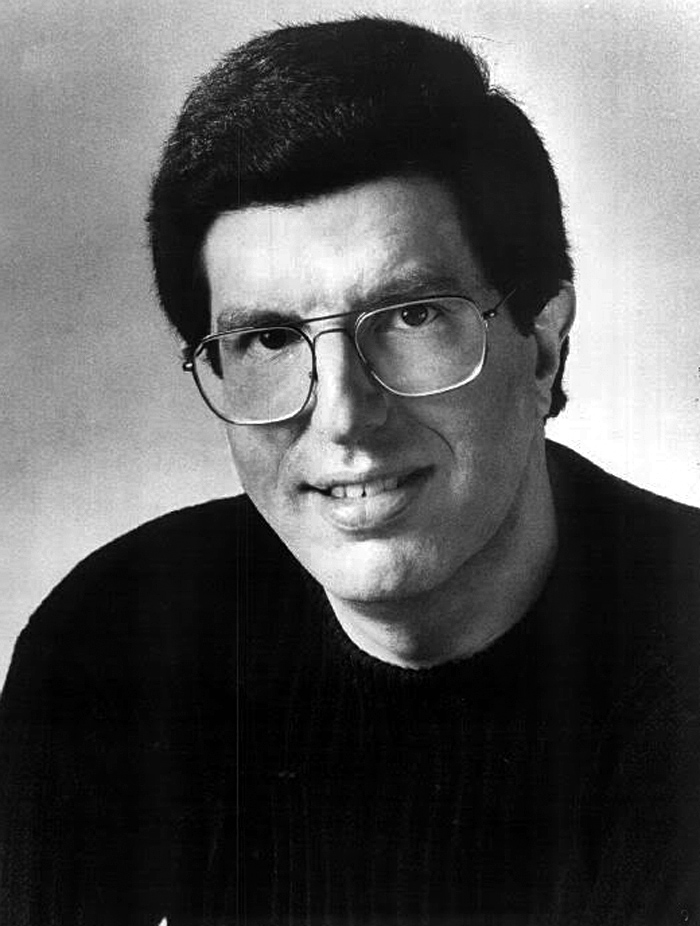
Marvin Hamlisch (June 2, 1944 – August 6, 2012) was an American composer and conductor whose work spanned film, theatre and concert performance. Born in Manhattan, New York, he became widely known for memorable melodies, adept arranging and an ability to move between popular and classical idioms. His career included prominent film scores, Broadway musicals and concert appearances, and he remained active as a performer and musical director for much of his life. Biographical overview
Image gallery
7 Images



Musical style and approach
Hamlisch's music was often praised for its clarity, strong melodic content and sensitivity to dramatic context. He could write intimate songs for vocalists, adapt period material for modern film soundtracks, and produce lush orchestral scores for the stage. His work frequently blended elements of classical harmony with popular songcraft and theatrical pacing, making his scores accessible to wide audiences while supporting narrative and character.
Notable works
Across film and theatre Hamlisch contributed scores, arrangements and songs. Among the titles most often associated with him are A Chorus Line (Broadway musical), the soundtrack work for The Sting (where ragtime themes were adapted for the film), and several film songs that became standards. He also worked on dramas that required more subdued, emotionally driven material. His versatility brought him commissions from studios, Broadway producers and recording artists. Major credits
Awards and recognition
Hamlisch received an unusually broad set of honors during his career, including Academy, Emmy, Grammy and Tony Awards, as well as the Pulitzer Prize for his contributions to musical theatre. This combination of distinctions placed him among a small group of artists recognized across multiple disciplines and highlighted the cultural impact of his work in both popular and stage music. List of honors
Career development and collaborations
He began working professionally as an arranger and accompanist and later moved into composing and conducting. Collaborations with lyricists, directors and choreographers helped shape projects ranging from intimate cabaret pieces to large-scale theatrical productions. Hamlisch also conducted orchestras for recordings and live concerts, building a public profile beyond composing. Career timeline
Hamlisch died in Los Angeles on August 6, 2012; the reported cause was respiratory arrest complicated by hypertension. After his death, retrospectives and tribute concerts examined his contribution to American musical life and the ways his songs and scores entered the popular repertoire. Obituary and legacy
Further reading and resources
- Comprehensive discography and recordings
- Interviews and personal reflections
- Analysis of film scores
- Broadway and theatre records
- Awards and honors details
- Late career activities
- Tributes and memorials
- Photographs and media
- Academic studies of his music
For readers seeking context on individual works, recordings and stage productions, these resources provide entry points into Hamlisch's varied output and the cultural milieu in which he worked. His music remains performed in concert halls, on theatre stages and in recordings, reflecting a career that connected popular taste with theatrical craft. More on his life • Selected works • Honors


Live
Hamlisch, who came from a Jewish family of Viennese origin, learned to play the piano at an early age and was considered a child prodigy. As a teenager he gave concerts at Town Hall. Then he studied at the Juilliard School of Music. Already in this time he shifted to composing. In 1965 he wrote his first hit with Sunshine, Lollipops and Rainbows for Lesley Gore, which he repeated in 1967, also for Gore, with California Nights. After hearing him play piano at a party, Sam Spiegel commissioned him to write his first film composition (for The Swimmer, 1966). He then moved to Los Angeles to be closer to the studios. His adaptations of Scott Joplin's ragtime compositions, which he wrote for the 1973 film The Sting, achieved great fame.
He wrote the music for many feature films and television series and for the successful Broadway musicals A Chorus Line and They're Playing Our Song. In 1977 Hamlisch also wrote the music for the James Bond film The Spy Who Loved Me (1977). He was also the conductor and arranger of Barbra Streisand's concerts from 1993, for whom he also wrote the 1973 number-one hit and million-seller The Way We Were. The cover version of Gladys Knight & the Pips was also a worldwide success.
Hamlisch was honored with numerous awards. Outstanding in this regard was the year 1974, when he was awarded a total of Oscars in three different categories. It followed in the further years seven Oscar nominations. Three times he could win the Emmy, twice a Golden Globe Award. Most often he received the ASCAP Award with four times.
Hamlisch died on August 6, 2012 after a short illness at the age of 68.
Works
Filmography
- 1968: The Swimmer - Director: Frank Perry
- 1969: A Frog in Manhattan (The April Fools) - Director: Stuart Rosenberg
- 1969: Hop, Hop (Move) - Directed by Stuart Rosenberg
- 1969: Woody, the Unlucky Raven (Take the Money and Run) - Director: Woody Allen
- 1970: The Indian (Flap) - Director: Carol Reed
- 1971: Bananas - Director: Woody Allen
- 1971: El Capitano (Something Big) - Directed by Andrew V. McLaglen
- 1971: Grandpa Can't Leave It (Kotch) - Director: Jack Lemmon
- 1972: Big Boy - Der aus dem Dschungel kam (The world's greatest athlete) - Director: Robert Scheere
- 1972: Fat City - Director: John Huston
- 1972: War between Men and Women - Director: Melville Shavelson
- 1973: Save the Tiger - Director: John G. Avildsen
- 1973: Cherie Bitter (The way we were) - Director: Sydney Pollack
- 1973: The Sting - Director: George Roy Hill
- 1974: The Prisoner of Second Avenue - Director: Melvin Frank
- 1976: The Entertainer - Director: Donald Wyre
- 1977: The Absent-Minded Waiter - Director: Carl Gottlieb Short Film
- 1977: The Spy Who Loved Me - Director: Lewis Gilbert
- 1978: Ice Castles - Director: Donald Wyre
- 1978: Same Time, Next Year - Director: Robert Mulligan
- 1979: Starting Over - Director: Alan J. Pakula
- 1979: Ordinary people - Director: Robert Redford
- 1980: The Second Chapter (Chapter Two) - Director: Robert Moore
- 1980: Seems like old times - Director: Jay Sandrich
- 1981: The Fanatic (The Fan) - Director: Edward Bianchi
- 1981: Dance in the Clouds (Pennies from heaven) - Director: Herbert Ross
- 1982: Actually I wanted to be in pictures (I ought to be in pictures) - Director: Herbert Ross
- 1982: Sophie's choice - Director: Alan J. Pakula
- 1983: Jason the Bottle (Romantic comedy) - Director: Arthur Hiller
- 1984: A Streetcar Named Desire - Director: John Erman
- 1985: A Chorus Line - Director: Richard Attenborough
- 1985: D.A.R.Y.L. - The Extraordinary (D.A.R.Y.L.) - Director: Simon Wincer
- 1987: The experts (The experts) - Director: Dave Thomas
- 1987: Little Nikita - Director: Richard Benjamin
- 1987: Three men and a baby - Director: Leonard Nimoy
- 1987: Return of the six million dollar man and the bionic woman - Director: Ray Austin
- 1987: Society (The two Mrs. Grenvilles) - Director: John Erman
- 1987: Death Promise (When the time comes) - Director: John Erman
- 1988: In the Sign of the Virgin (The January man) - Director: Pat O'Connor
- 1990: Seductive Stories (Women & men: Stories of seduction) - Director: Frederic Raphael, Ken Russell, Tony Richardson
- 1991: Babyswitch - Child of Strange Parents I + II (Switched at birth) - Director: Waris Hussein
- 1991: Frankie & Johnny (Frankie and Johnny) - Director: Gary Marshall
- 1992: On the sunny side of life (Missing pieces) - Director: Leonard B. Stern
- 1995: Love has two faces (The mirror has two faces) - Director: Barbra Streisand
- 1996: The Nanny (Episode 3.18 False Friends)
- 2009: The Informant! (The Informant!) - Director: Steven Soderbergh
- 2012: Liberace - Too Much of a Good Thing is Wonderful (Behind the Candelabra) - Director: Steven Soderbergh
Stage/Musicals
- 1975: A Chorus Line
- 1979: They're Playing our Song
- 1986: Smile
- 1993: The Goodbye Girl
- 2002: Sweet Smell of Success
Related articles
Author
AlegsaOnline.com Marvin Hamlisch Leandro Alegsa
URL: https://en.alegsaonline.com/art/62440
Sources
- telegraph.co.uk : Telegraph obituary
- tonyawards.com : "Tony Legacy, They're the Top"
- latimes.com : "Marvin Hamlisch dies at 68; award-winning composer of popular music"