
Camelid (family Camelidae)
Camelids are even-toed ungulates in the family Camelidae, including camels, llamas, alpacas, guanacos and vicuñas — adapted to deserts, mountains and grasslands and valued for transport and fiber.
Overview
Camelids are a group of hoofed mammals classified among the even-toed ungulates. They make up the family Camelidae and today include species adapted to very different landscapes, from arid deserts to high-altitude grasslands. Members of this family are important ecologically and culturally: they serve as pack animals, sources of fiber and meat, and are integrated into traditional pastoral economies.
Image gallery
10 Images




Characteristics
Camelids share a set of distinctive traits: two-toed feet with broad, leathery pads rather than hard hooves; a splayed gait that helps on soft ground; and a multi-chambered stomach that allows them to ferment plant material and chew cud, though they are not true ruminants in the same way as cattle. Many species have long necks and limbs, and adaptations for water conservation and temperature extremes. Camel red blood cells are oval in shape, which helps blood flow in dehydrated conditions.
Evolution and species
Fossil evidence indicates camelids originated in North America and later dispersed to South America and Eurasia via land connections. Today there are six living species: the two Old World camels and four New World camelids. The living members include domestic and wild forms; a concise list follows.
- Old World: dromedary (one-humped) and Bactrian (two-humped) camels.
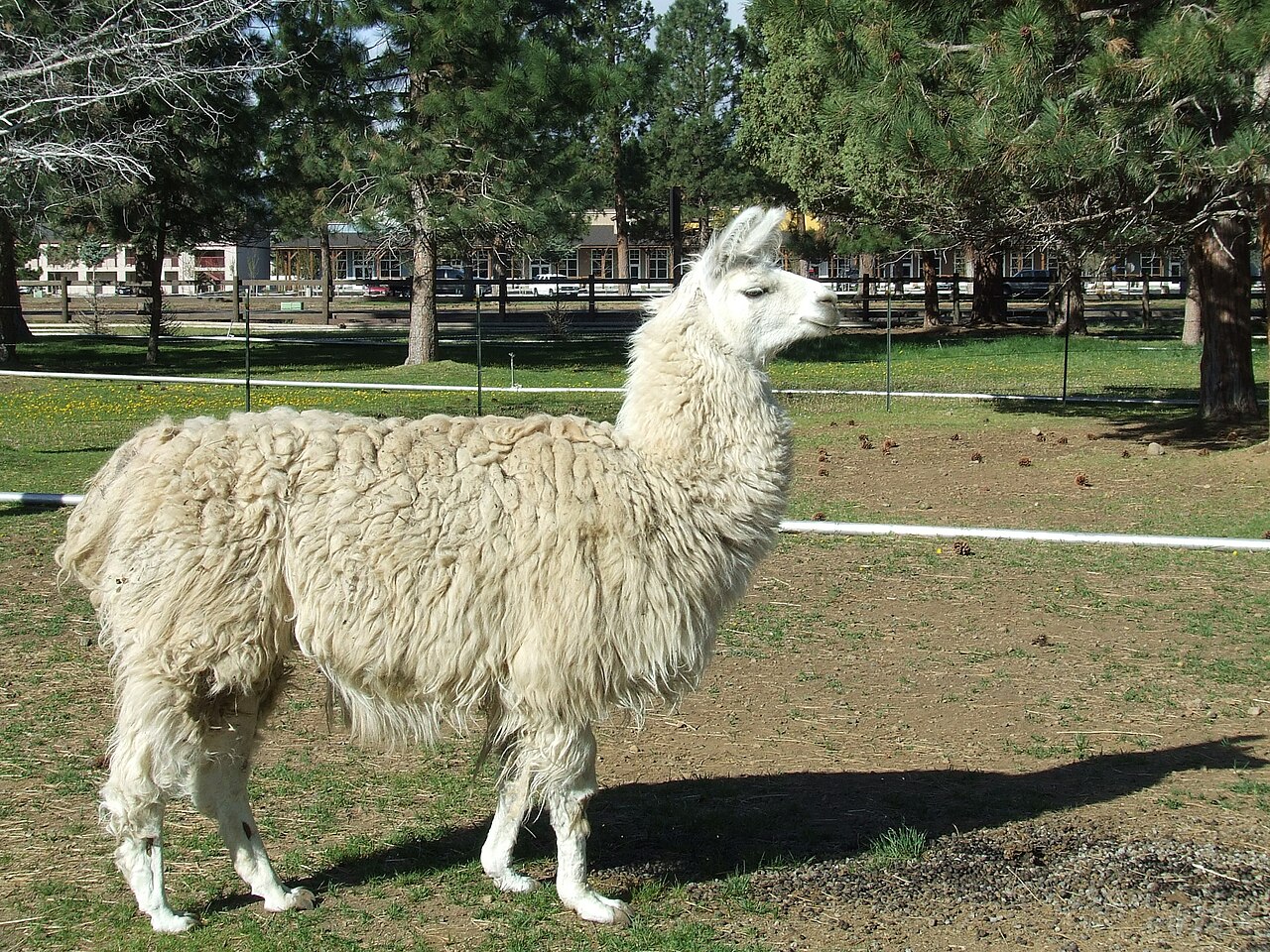
- New World: llama and alpaca (domesticated), guanaco and vicuña (wild).
- For an authoritative summary of current species, see species listings and conservation status.
Uses, domestication and cultural importance
Several camelids have been domesticated and shaped human societies: llamas and alpacas were domesticated in the Andes and supply meat, wool and hauling power; camels have been central to trade and travel across deserts for millennia, and provide milk, meat and fiber. Their fibers vary in texture and insulating properties, making them valuable for textiles in different climates.
Notable distinctions
Unlike many other ungulates, camelids exhibit a mix of primitive and specialized features. They are split between Old and New World lineages with different ecologies and human relationships. Conservation concerns apply to wild species such as the vicuña and guanaco in parts of South America, where habitat loss and competition with livestock affect populations.
Tags
Related articles
Author
AlegsaOnline.com Camelid (family Camelidae) Leandro Alegsa
URL: https://en.alegsaonline.com/art/16295