
Lissamphibia: the living amphibians — groups, traits, history, and importance
Lissamphibia is the clade that contains all living amphibians: frogs, salamanders and caecilians. Overview of classification, shared traits, fossil context, ecological roles and conservation issues.
Lissamphibia is the name used for the group that contains all extant amphibians. Members of this clade are familiar as frogs, salamanders and caecilians, and they share a set of anatomical and life‑history traits that distinguish them from other tetrapods. Scientists place the group in a broader scheme of vertebrate classification and study both living species and fossils to understand their evolution and diversity.
Image gallery
10 Images


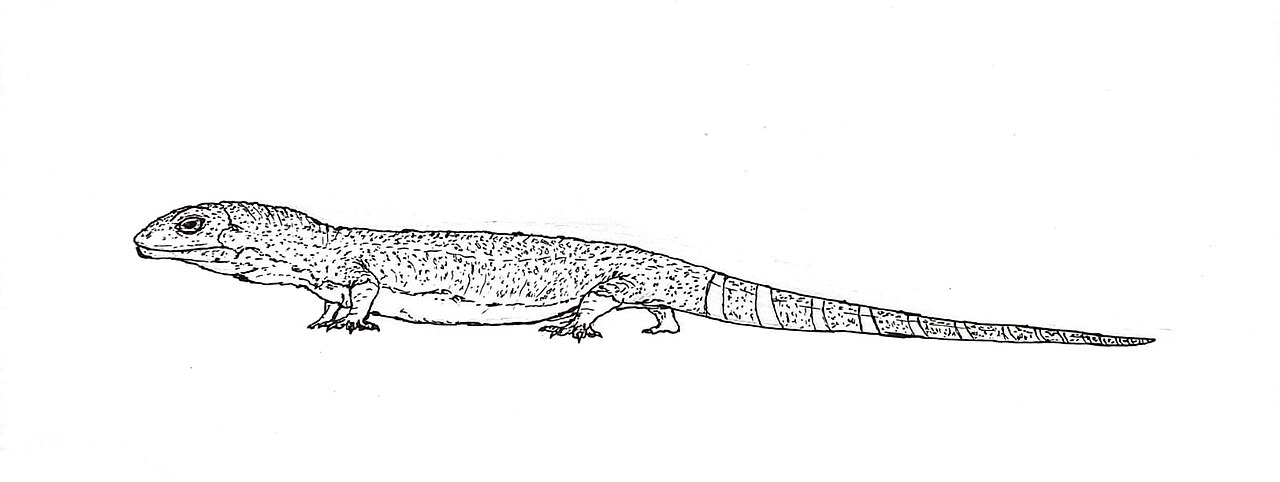
Classification and major groups
Modern amphibians are usually treated taxonomically under a group often discussed in relation to broader systems of classification (classification). Three main orders are commonly recognized as the living branches of Lissamphibia (three orders):
- Anura — the frogs and toads; many species are saltatory (adapted for jumping) and have a highly modified skeleton for that mode of locomotion. (frogs)
- Caudata or Urodela — the salamanders, including aquatic and terrestrial forms; some retain juvenile traits into adulthood (paedomorphosis). (newts are a familiar subgroup)
- Gymnophiona or Apoda — the caecilians, a largely tropical lineage of legless, burrowing or aquatic amphibians that resemble earthworms or snakes in body form.
Shared characteristics
Lissamphibians display several common features that support their status as a clade. These include permeable skin rich in glands, which plays roles in respiration, water balance and defense; typically two‑stage life cycles with aquatic larvae and more terrestrial adults in many species (though exceptions are frequent); small, pedicellate teeth in many taxa; and generally unshelled, gelatinous eggs prone to desiccation. Most are ectothermic and rely on external heat to regulate activity.
Evolutionary background
The origin of modern amphibians is an active area of research. Fossil evidence shows amphibian‑like tetrapods in the Paleozoic and Mesozoic eras, and molecular studies combined with paleontology seek to place living orders among these ancestral lineages. There is no single consensus on which early tetrapod groups are the immediate precursors of Lissamphibia, but the shared anatomical traits of living amphibians indicate a common ancestry and a long evolutionary history.
Ecological roles and human relevance
Amphibians occupy freshwater, terrestrial and sometimes marine edge habitats and often serve as both predators (of insects and other small animals) and prey for larger species. They are important indicators of environmental health because their permeable skin and complex life cycles make them sensitive to pollution, habitat alteration and climate change. Amphibians are also subjects in research on development, regeneration and ecology, and they have cultural importance in many societies.
Conservation and notable issues
Worldwide amphibian populations have declined in recent decades for reasons that include habitat loss, pollution, invasive species and emerging diseases such as chytridiomycosis. Conservation efforts range from habitat protection to captive breeding and disease management. Studying the living diversity and fossil record of Lissamphibia helps scientists prioritize actions to conserve these distinctive and often vulnerable vertebrates.
For further reading on taxonomy and species lists see general resources on Lissamphibia and summaries of the classification and the three orders of modern amphibians: Anura, Caudata/Urodela and Gymnophiona. More ecological and conservation literature discusses the roles of frogs, newts and other groups in their ecosystems.
Related articles
Author
AlegsaOnline.com Lissamphibia: the living amphibians — groups, traits, history, and importance Leandro Alegsa
URL: https://en.alegsaonline.com/art/58419