
Litoria — Australasian tree frog genus
Litoria is a genus of hylid tree frogs native to Australasia and nearby islands, notable for arboreal adaptations, varied life histories, and conservation concerns across a wide range of habitats.
Overview
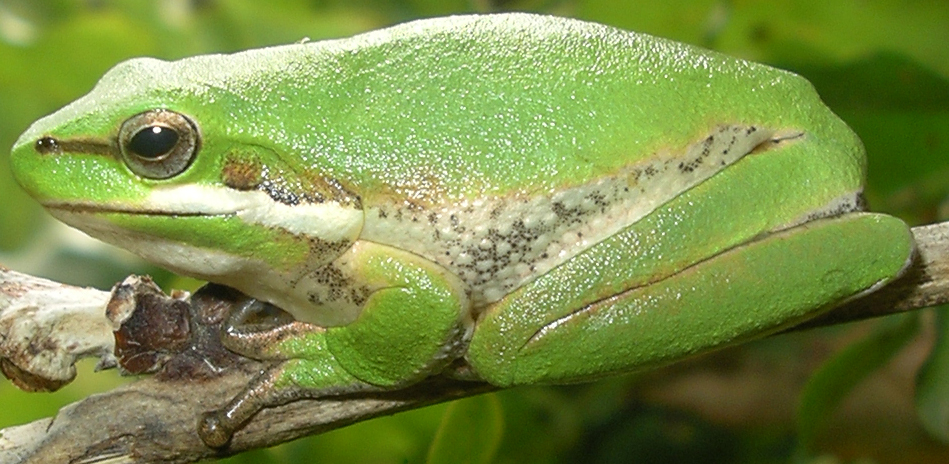
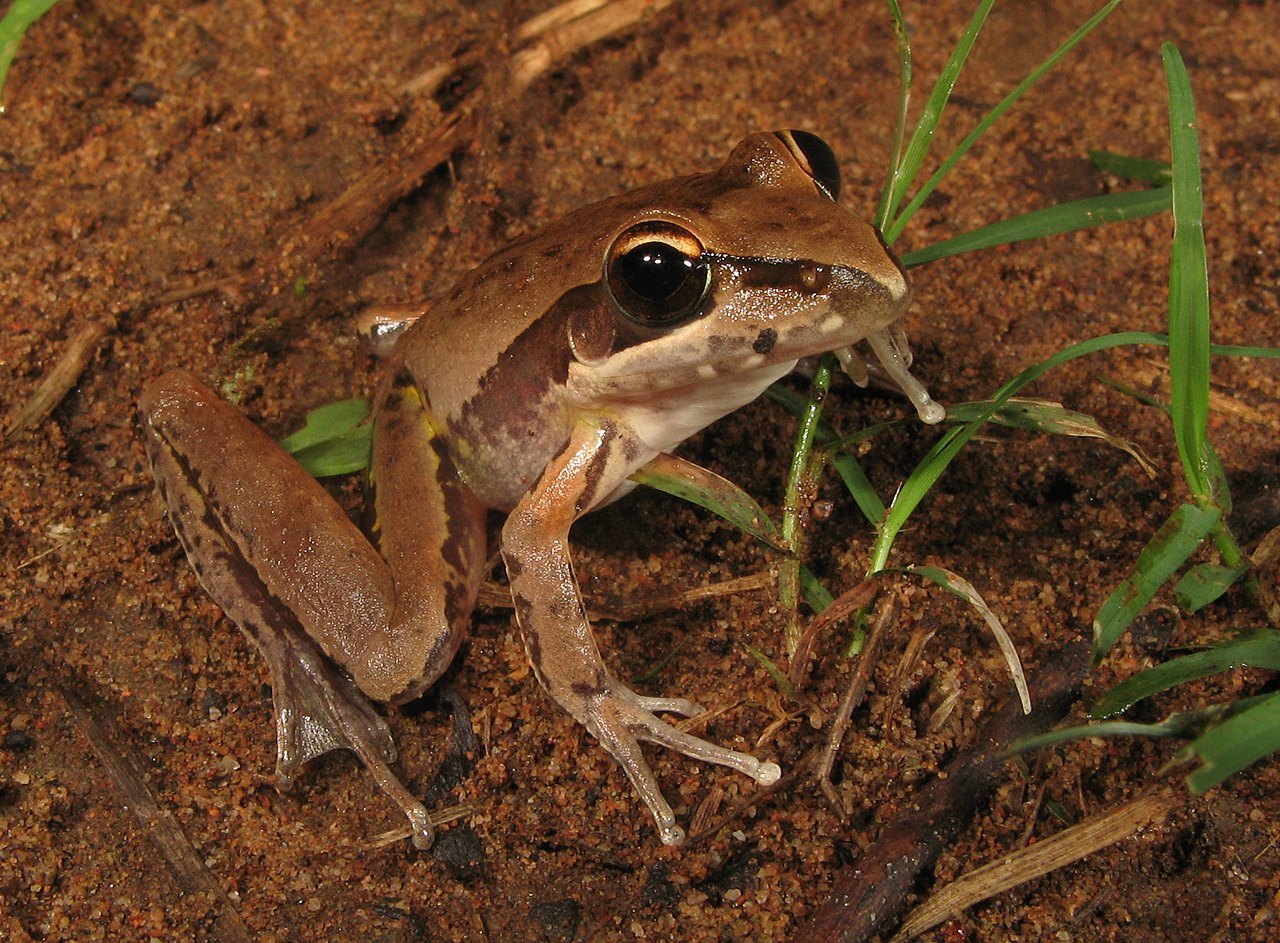
Litoria is a group of tree-dwelling frogs placed within the family Hylidae. These frogs are commonly referred to as tree frogs and occur across a broad Indo-Australian area, including Australia, the Bismarck Archipelago, the Solomon Islands, New Guinea, the Lesser Sunda Islands, and Timor. Species in this genus occupy habitats from wet tropical forest to open woodlands and riparian zones.
Image gallery
6 Images



Physical characteristics and behaviour
Members of this genus vary in size and colouration but share several arboreal adaptations: expanded toe pads for climbing, varying degrees of toe webbing, and body shapes suited to perching. Most are nocturnal and feed on invertebrates. Reproductive strategies are diverse—many breed in standing or flowing water, where males call to attract females and eggs develop into tadpoles before metamorphosis.
Taxonomy and history
Litoria was historically used to group a wide array of Australasian hylid frogs. Over recent decades taxonomists have revised relationships within the family using anatomical and molecular data, resulting in reassignment of some species and clearer definitions of species groups. The genus remains important for studies of biogeography in the Australasian region.
Ecological role, human interactions, and conservation
Litoria species serve as insect predators and as prey for birds, reptiles and mammals, contributing to ecosystem balance. Several species are familiar in human-modified landscapes and some are kept in the pet trade. At the same time, habitat loss, pollution and emergent diseases such as chytridiomycosis have caused population declines in parts of their range. Conservation measures include habitat protection, monitoring and, in some cases, captive breeding.
Key features
- Arboreal lifestyle with adhesive toe pads and variable webbing.
- Wide distribution across Australasia and adjacent islands.
- Diverse reproductive modes tied to local environments.
- Taxonomy actively refined by ongoing research.
For further details on species lists, natural history and conservation status consult regional field guides and specialist databases: Litoria resources, family overviews at Hylidae portals, and general accounts of tree frog biology at tree frog references.
Questions and answers
Q: What is Litoria?
A: Litoria is a genus of tree frogs belonging to the family Hylidae.
Q: Where are Litoria tree frogs native to?
A: Litoria tree frogs are native to Australia, the Bismarck Archipelago, the Solomon Islands, New Guinea, the Lesser Sunda Islands, the Moluccan Islands, and Timor.
Q: What family do Litoria tree frogs belong to?
A: Litoria tree frogs belong to the family Hylidae.
Q: What regions are Litoria tree frogs found in?
A: Litoria tree frogs are found in various regions, including Australia, the Bismarck Archipelago, the Solomon Islands, New Guinea, the Lesser Sunda Islands, the Moluccan Islands, and Timor.
Q: Are Litoria tree frogs endangered?
A: The conservation status of different Litoria species varies, with some being vulnerable or endangered, while others are not.
Q: What is special about the Litoria tree frog?
A: The Litoria tree frog is known for its arboreal and nocturnal nature, and its ability to climb on vegetation and trees.
Q: How many species of Litoria are there?
A: There are over 160 species of Litoria tree frogs documented.
Related articles
Author
AlegsaOnline.com Litoria — Australasian tree frog genus Leandro Alegsa
URL: https://en.alegsaonline.com/art/58461