
Longevity: understanding long life, causes, and implications
Longevity refers to long life or increased life expectancy. This article explains definitions, causes, historical interest, research directions, practical approaches, and societal implications.
Longevity commonly denotes long life or the tendency to live for many years. It can refer to an individual's lifespan, a population's average life expectancy, or the durability of systems and products. People use the term in both everyday conversation and scientific discussion to describe survival beyond typical or expected limits; some also distinguish longevity from healthspan, the period of life spent in good health.
Image gallery
5 Images

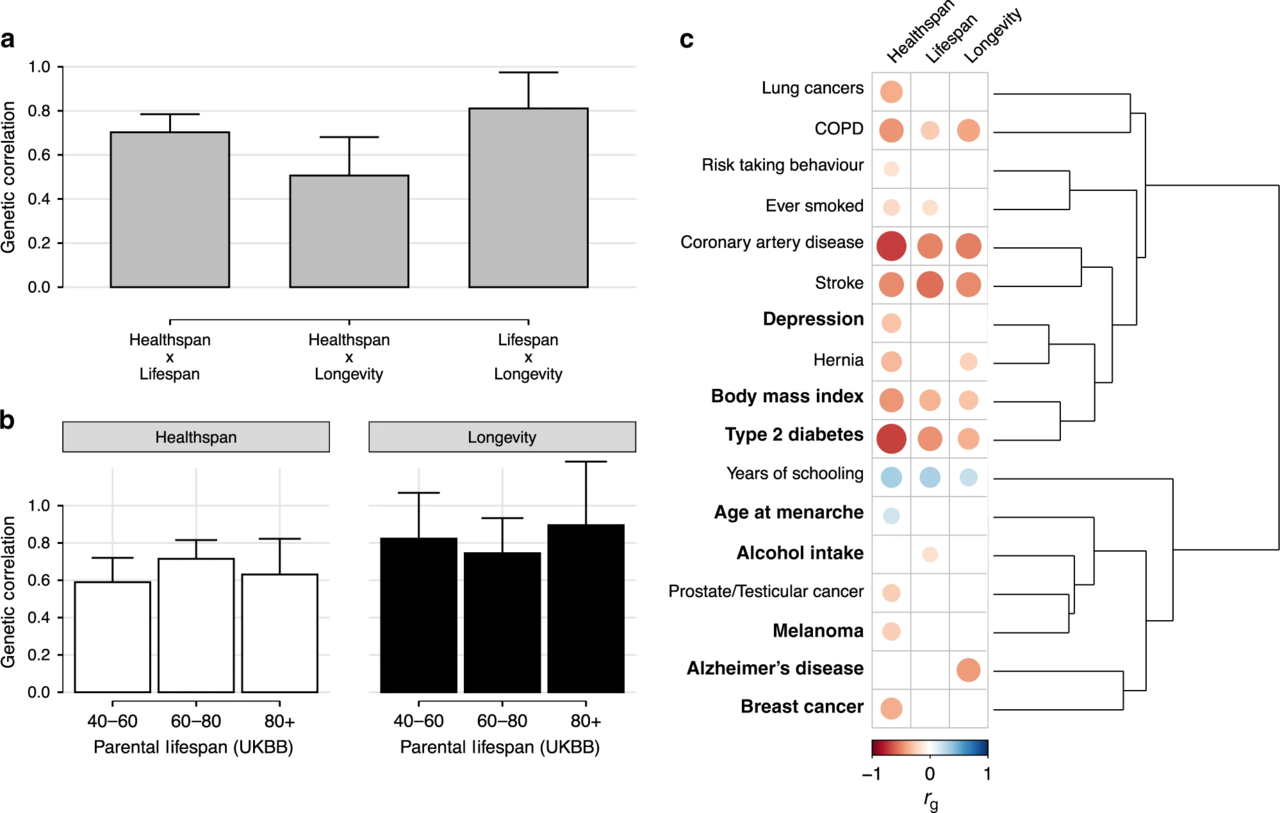


Characteristics and influences
Longevity is shaped by interacting factors: genetics, environment, behavior, and healthcare. Familial and species-specific genes influence cellular ageing processes, while lifestyle elements such as diet, physical activity, sleep, and avoidance of tobacco and excessive alcohol affect risks of chronic disease. Public health measures, sanitation, vaccination, and access to medical care also change population-level outcomes. Researchers emphasize that improving quality of life as people age is as important as extending raw years.
History and cultural interest
Interest in longer life spans is ancient: many cultures sought elixirs, longevity rituals, or moral prescriptions thought to extend life. In literature and popular culture the idea appears in science fiction and utopian novels, exploring consequences of extreme longevity. Modern scientific study of ageing—biogerontology—has grown into a multidisciplinary field combining biology, epidemiology, and social sciences.
Research directions and practical approaches
Contemporary research examines cellular mechanisms (telomeres, cellular senescence, metabolic regulation), and tests interventions that might slow ageing or reduce age-related disease. Some lifestyle strategies commonly associated with increased longevity include:
- Balanced nutrition and maintaining healthy weight
- Regular physical activity and cardiovascular fitness
- Social engagement and mental stimulation
- Preventive healthcare and management of chronic conditions
Importance and distinctions
Longevity has broad social and economic implications: changing age structures affect pensions, healthcare demand, and workforce composition. It is important to distinguish individual longevity from average life expectancy and from the concept of living well in later years. Public policy and personal choices both play roles in shaping how societies adapt to longer lives.
For more background on the basic meaning of the term, see an entry defining long life.
Questions and answers
Q: What is the meaning of the word longevity?
A: The word longevity means long life or life expectancy.
Q: Does longevity only refer to life expectancy?
A: No, it can also refer to someone or something lasting longer than expected.
Q: What is usually thought about when considering longevity?
A: Methods to extend life are often considered when thinking about longevity.
Q: Has the concept of longevity only been of interest to scientists?
A: No, writers of science fiction and utopian novels are also interested in the topic of longevity.
Q: What is the common topic of discussion when discussing longevity?
A: Methods to extend life.
Q: Can the word longevity only be used to describe humans?
A: No, it can be used to describe anything that has a longer than expected lifespan.
Q: Are there any other meanings of the word longevity?
A: No, the word only refers to long life, life expectancy, or something lasting longer than expected.
Related articles
Author
AlegsaOnline.com Longevity: understanding long life, causes, and implications Leandro Alegsa
URL: https://en.alegsaonline.com/art/59121
Sources
- un.org : World Population to 2300