
Lophotrochozoa: a major clade of bilaterian animals
Lophotrochozoa are a molecularly defined clade of protostome animals that includes mollusks, annelids and several lesser-known phyla; they lack a single unifying morphology but share developmental and genetic ties.
Overview
Lophotrochozoa is a name given to a large grouping of animals above the level of phylum. It is not part of older, strictly morphology-based arrangements of animal classification but arose from DNA-based analyses. The clade sits within the protostomes and contrasts with other major protostome assemblages such as Ecdysozoa; its recognition stems from molecular studies rather than a single shared body plan.
Image gallery
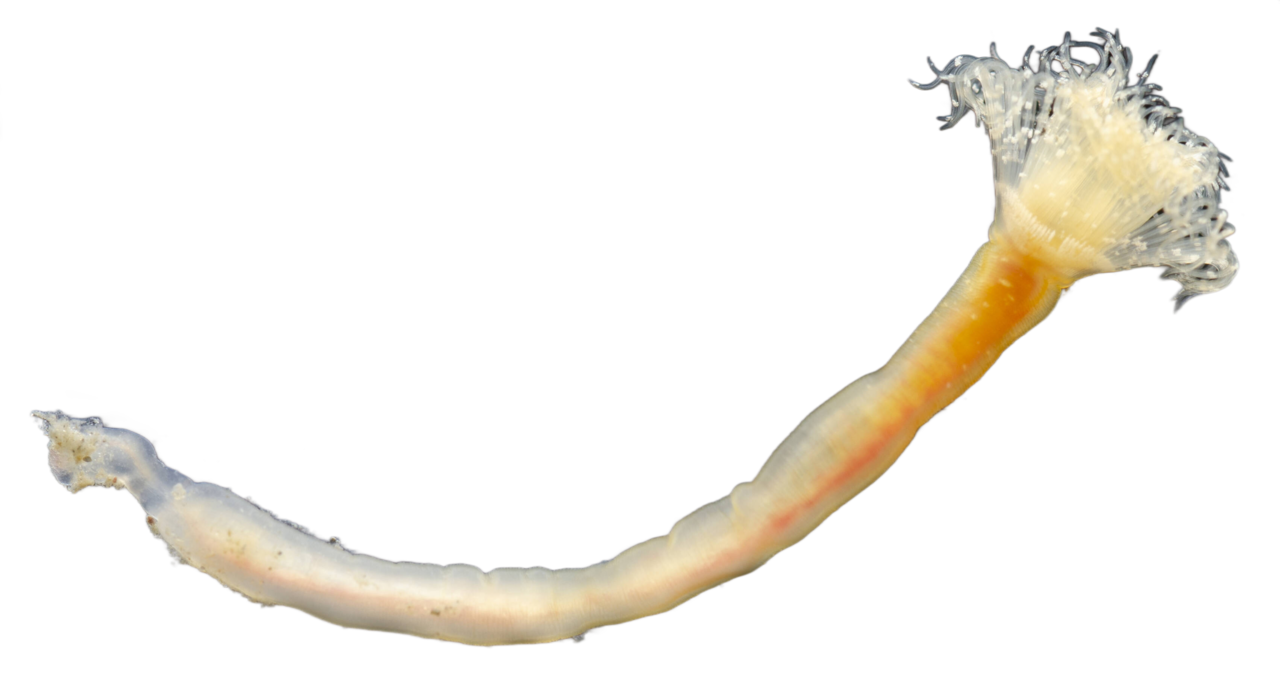
10 Images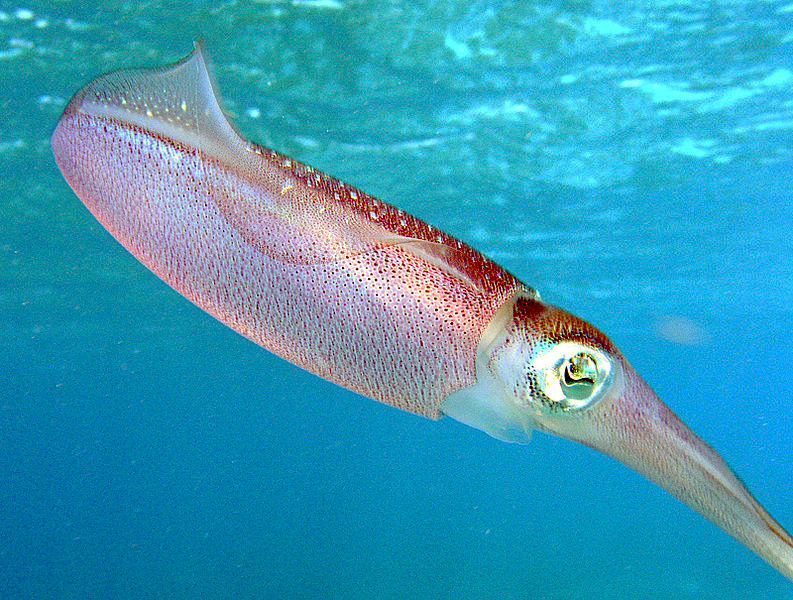




Key characteristics
Members of the group do not all share one obvious anatomical trait. Some taxa possess a lophophore, a ciliated feeding structure, while others have a trochophore larva — a free-swimming, ciliated stage — and many lack both. Because the group was identified by genetic relationships, its defining features are primarily developmental and molecular rather than a single morphological synapomorphy.
Diversity and representative phyla
The clade includes some of the most familiar invertebrates. Prominent examples are the Mollusca (snails, clams, cephalopods) and the Annelida (segmented worms). Other members commonly placed in or near Lophotrochozoa include brachiopods, bryozoans, nemerteans and several less conspicuous phyla. A short list of representative groups:
- Mollusca — diverse body plans and major ecological roles.
- Annelida — segmented worms occupying marine, freshwater and terrestrial habitats.
- Traditional lophophorates (brachiopods, bryozoans) with specialized feeding structures.
History of recognition
The Lophotrochozoa concept emerged in the late twentieth century after comparisons of ribosomal and other genetic sequences revealed consistent groupings that were not predicted by classical anatomy-based schemes. Early molecular phylogenies prompted rethinking of animal evolution and prompted placement of several phyla together on genetic grounds. Subsequent work has refined, but not fundamentally overturned, the core idea.
Importance and open questions
Lophotrochozoa contains vast ecological and economic diversity: many species are key ecosystem engineers, important fishery resources, agricultural pests or subjects of biomedical study. Because the grouping is defined largely by molecular evidence, relationships among some included phyla remain topics of active research and occasional revision. Debates continue over the precise boundaries and the evolutionary timing of traits such as the lophophore and trochophore larva.
Further reading
For introductions to higher-level animal classification and the molecular studies that recovered the clade, see sources on traditional classification (older systems) and reviews of molecular phylogeny (molecular phylogeny) that discuss the evidence and implications for animal evolution.
Questions and answers
Q: What does Lophotrochozoa mean?
A: Lophotrochozoa means "crest-bearing animals."
Q: What is Lophotrochozoa?
A: Lophotrochozoa is a group of animals that is above the level of phylum.
Q: Is Lophotrochozoa part of the usual system of classification?
A: No, Lophotrochozoa is not part of the usual system of classification.
Q: How were Lophotrochozoa discovered?
A: Lophotrochozoa were recently discovered through molecular phylogeny.
Q: What are two of the most successful animal phyla included in Lophotrochozoa?
A: Two of the most successful animal phyla included in Lophotrochozoa are the Mollusca and Annelida.
Q: How does Lophotrochozoa compare to other animal groups?
A: Lophotrochozoa is a unique group compared to other animal groups due to its recent discovery and inclusion of successful phyla such as Mollusca and Annelida.
Q: What is the significance of the discovery of Lophotrochozoa?
A: The discovery of Lophotrochozoa sheds light on the diversity of animal life and adds a new level of classification above the phylum level.
Related articles
Author
AlegsaOnline.com Lophotrochozoa: a major clade of bilaterian animals Leandro Alegsa
URL: https://en.alegsaonline.com/art/59193
Sources
- dx.doi.org : 10.1093/molbev/msi111
- ucmp.berkeley.edu : Introduction to the Lophotrochozoa