
Lillian Gish: Pioneer of American Silent Film and Enduring Screen Actress
Lillian Gish (1893–1993) was an American actress whose career spanned stage, silent cinema, sound film and television. Known for expressive naturalism and a famous ice‑floes scene, she earned major honors and a lasting legacy.
Overview
Lillian Diana Gish (October 14, 1893 – February 27, 1993) was an American actress whose work helped shape early film acting and the language of cinema. Born in Springfield, Ohio, she began performing as a child in touring stage shows with her mother and sister, Dorothy Gish. When Mary Pickford introduced the sisters to director D. W. Griffith in 1912, both moved from the stage to motion pictures, signing with Biograph Studios and appearing in short films that launched long careers.
Image gallery
10 Images


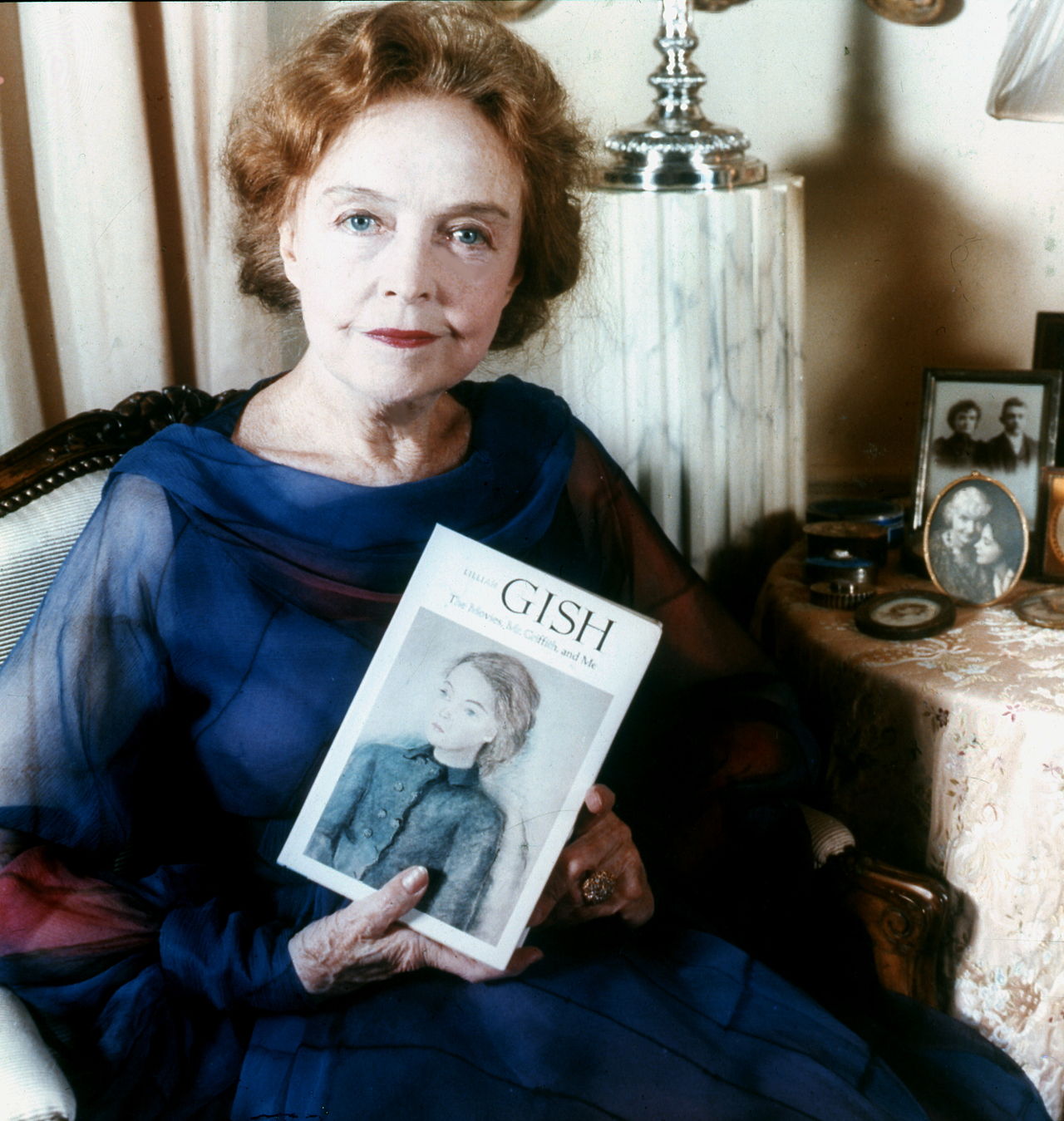


Career and acting style
Gish became one of the most recognized faces of the silent era. Her acting combined restrained expressiveness with a delicate physicality that suited the close framing and lyrical storytelling of early films. She formed an important creative partnership with Griffith, appearing in a number of his landmark works. While many later performers adopted a more naturalistic approach as sound films matured, Gish retained and refined a style that emphasized gesture, glance and quiet intensity, making her transitions between stage, silent picture, sound film and television unusually durable.
Major films and highlights
- The Birth of a Nation (1915) — an influential but controversial Griffith epic in which Gish played a leading role during the film’s formative years.
- Intolerance (1916) — a sprawling Griffith production that demonstrated cinematic ambition and complex intercutting.
- Broken Blossoms (1919) — a fragile, intimate drama showcasing Gish’s ability to convey vulnerability and moral pathos.
- Way Down East (1920) — remembered for the sequence in which her character drifts unconscious on an ice floe toward a waterfall; the scene became one of silent cinema’s most famous images.
- Orphans of the Storm (1921) — a costume drama starring both Gish sisters that blended melodrama with social themes.
- Later roles included supporting parts in Duel in the Sun (1946) and a striking turn in Night of the Hunter (1955), followed by a final notable appearance with Bette Davis in The Whales of August (1987).
Later life, honors, and public presence
Gish’s career lasted roughly 75 years, from her first screen appearances in 1912 to her last film in 1987. She worked steadily in television from the 1950s through the 1980s and continued to act on stage. She never married or had children and lived a life long associated with the arts. Among her honors were an Honorary Academy Award in 1971 and the American Film Institute’s Life Achievement Award in 1984; the AFI also ranked her among the greatest female screen legends. She was popularly called "The First Lady of American Cinema." Gish died in her sleep in 1993 and is buried next to her sister Dorothy at Saint Bartholomew’s Episcopal Church in New York City.
Legacy and notable facts
Lillian Gish’s legacy rests on her role in defining a performance style adapted to the camera’s intimacy and on her persistence through changing eras of entertainment. She helped demonstrate how film could convey subtle psychological states and moral nuance without spoken dialogue. Students of film history often study her work for its technical collaboration with pioneering directors and cinematographers, and for the way her films illustrate early narrative and editing techniques. Her public image and longevity made her a link between the silent era and modern cinema.
Selected links
- Actor profile — link 1
- Birthplace and early life — link 2
- Religious background — link 3
- Faith traditions noted in biography — link 4
- Family religious context — link 5
- Ancestral background — link 6
- Early acting career with family — link 7
- Mary Pickford and early connections — link 8
- D. W. Griffith collaboration — link 9
- Studio contracts and Biograph — link 10
- Debut short films — link 11
- The Birth of a Nation — link 12
- Broken Blossoms detail — link 13
- Way Down East information — link 14
- Orphans of the Storm overview — link 15
- Silent film era imagery — link 16
- Famous climax scenes — link 17
- Character studies and roles — link 18
- Iconic visual motifs — link 19
- Way Down East set pieces — link 20
- Controversies and reception — link 21
- Collaborations with later stars — link 22
- Personal life summaries — link 23
- Burial site and memorials — link 24
- Nicknames and popular reputation — link 25
- American Film Institute recognition — link 26
- Honorary Academy Award citation — link 27
Related articles
Author
AlegsaOnline.com Lillian Gish: Pioneer of American Silent Film and Enduring Screen Actress Leandro Alegsa
URL: https://en.alegsaonline.com/art/58037