
D. W. Griffith: pioneer of narrative cinema and a contested legacy
Profile of filmmaker D. W. Griffith, his role in shaping film language, famous works, technical innovations, controversies surrounding The Birth of a Nation, and his complex legacy.
Overview
David Llewelyn Wark Griffith (1875–1948) was an American director whose experiments with film form helped define early narrative cinema. Working in the 1900s and 1910s, he moved film away from short, stage-bound scenes toward longer, story-driven features and more sophisticated visual storytelling. Griffith remains a pivotal but polarizing figure: widely acknowledged for technical and narrative advances, while also criticized for racist content in some of his best-known films.
Image gallery
10 Images
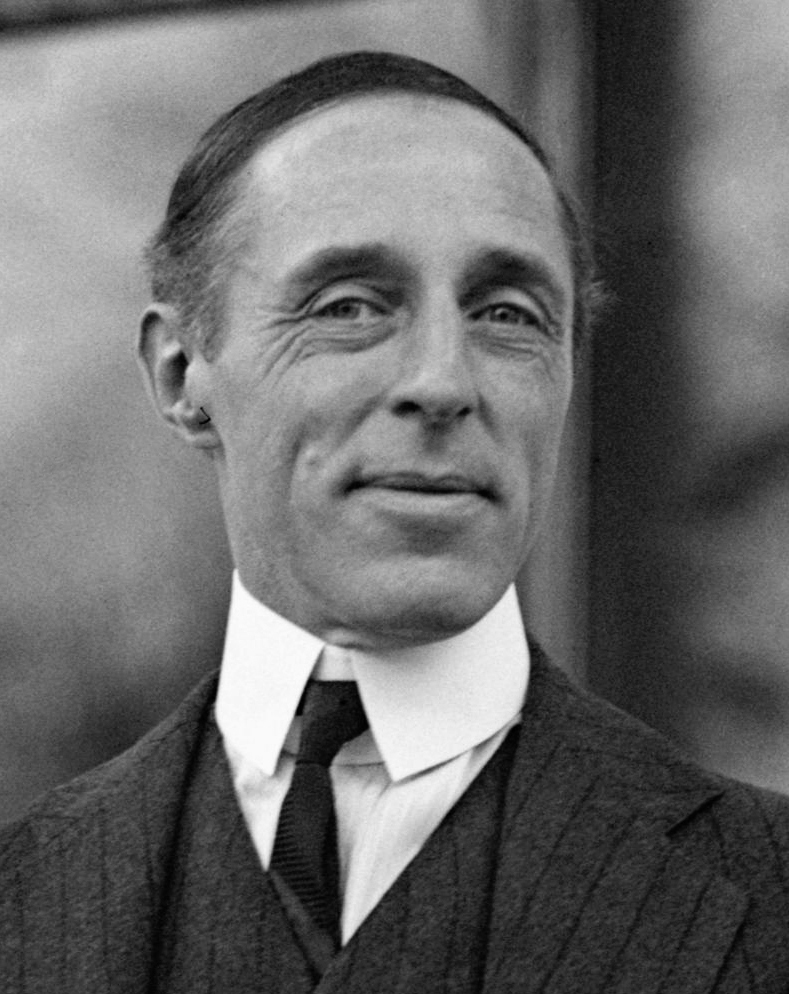


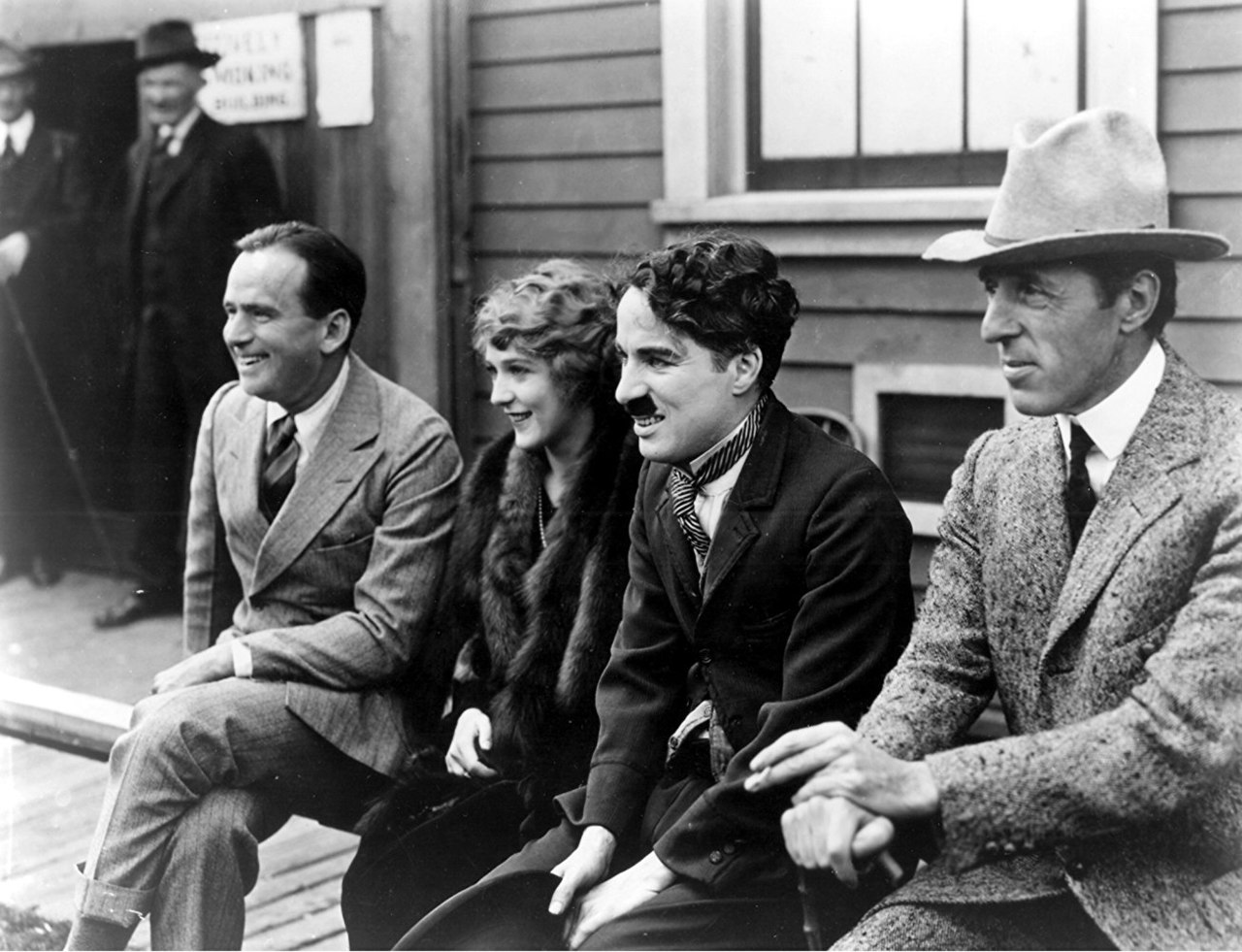


Innovations in film technique
Griffith popularized and refined editing and camera methods that became standard practice for feature films. He made influential use of cross-cutting to build suspense, closer framings and varied shot sizes to shape emotion, and more mobile camera placement to follow action. These developments—often referred to collectively as modern camera techniques and storytelling techniques—helped create clearer screen continuity and more complex temporal structures in cinematic narratives.
Major films and controversies
His 1915 picture The Birth of a Nation demonstrated the power of feature-length cinema and drew very large audiences. The film also became infamous for its sympathetic depiction of the Ku Klux Klan and for demeaning portrayals of Black Americans, including romanticized scenes of slavery. The movie's reception exposed a sharp divide: while some contemporary accounts reported praise from figures such as President Woodrow Wilson—even a remark described as "history written in lightning"—other observers condemned the film and organized active opposition, including a boycott led by the NAACP. Critics called the picture deeply controversial for its politics and social effects.
In response to the backlash and to make a broader statement, Griffith released Intolerance (1916), an ambitious, intercut epic that argued against bigotry and traced parallel stories across history. Although admired by many critics for its scale and invention, it did not match the commercial impact of his earlier blockbuster.
Other notable works
- Broken Blossoms — a quieter, atmospheric drama exploring urban cruelty and compassion.
- Orphans of the Storm — a historical melodrama emphasizing human bonds amid upheaval.
Legacy and historical assessment
Film historians credit Griffith with accelerating the evolution of cinematic language and demonstrating the commercial and artistic possibilities of feature films. At the same time, his career illustrates how technical genius can be intertwined with problematic social attitudes. Debates about Griffith often balance recognition of his formal contributions against condemnation of the racial themes in some work. His later career failed to regain the consistent commercial success of his early period, but his influence on editing, narrative pacing, and visual storytelling endures in film education and history.
For further reading on specific films and controversies, see archival and film-history resources that discuss both Griffith's craftsmanship and the wider social context of his major releases. The tensions in his oeuvre make him a continuing subject of study for students of cinema and cultural history.
Ku Klux Klan | The Birth of a Nation | camera techniques | storytelling techniques | controversial | slavery | President Woodrow Wilson | history | history written in lightning | NAACP | prejudice | Orphans of the Storm | Broken Blossoms
Questions and answers
Q: Who was D.W. Griffith?
A: D.W. Griffith was an American movie director best known for directing the 1915 movie The Birth of a Nation and the 1916 follow-up movie Intolerance.
Q: What techniques did he use in The Birth of a Nation?
A: In The Birth of a Nation, Griffith made early use of advanced camera and storytelling techniques.
Q: How was the movie received by President Woodrow Wilson?
A: President Woodrow Wilson praised The Birth of a Nation, saying it was "history written in lightning".
Q: How did the NAACP respond to the movie?
A: The NAACP boycotted The Birth of a Nation in response to its controversial content which showed African Americans and White anti-racists in a bad light and portrayed slavery and the Ku Klux Klan as good things.
Q: What did Griffith do to address criticism from his first film?
A: To address criticism from his first film, Griffith released another movie called Intolerance which showed the dangers of prejudice.
Q: Did Intolerance make as much money as The Birth of a Nation?
A: No, Intolerance did not make as much money as The Birth of a Nation but it was still well-received by critics.
Q: What other famous movies is Griffith known for?
A: Other famous movies by Griffith include Orphans of the Storm and Broken Blossoms.
Author
AlegsaOnline.com D. W. Griffith: pioneer of narrative cinema and a contested legacy Leandro Alegsa
URL: https://en.alegsaonline.com/art/137168