
Silent movie (silent film): overview, history and notable works
Silent movies are motion pictures produced without synchronized recorded sound. Popular from the late 19th century to the early 1930s, they shaped visual storytelling, performance styles and film techniques.
Overview
A silent movie (often called a silent film) is a motion picture produced without synchronized recorded dialogue. Audiences historically experienced these films with live musical accompaniment, theater sound effects, or printed dialogue and exposition presented as intertitles. Filmmakers relied on visual composition, gesture, facial expression and editing to convey story and emotion.
Image gallery
10 Images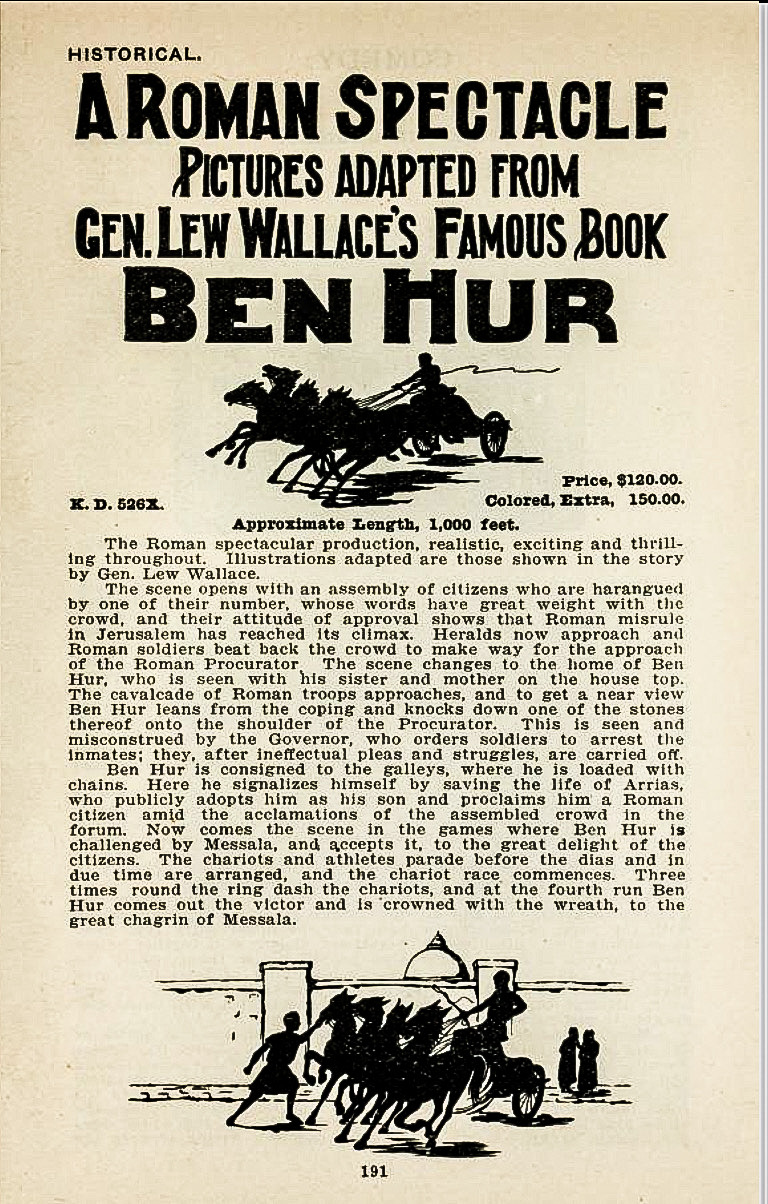
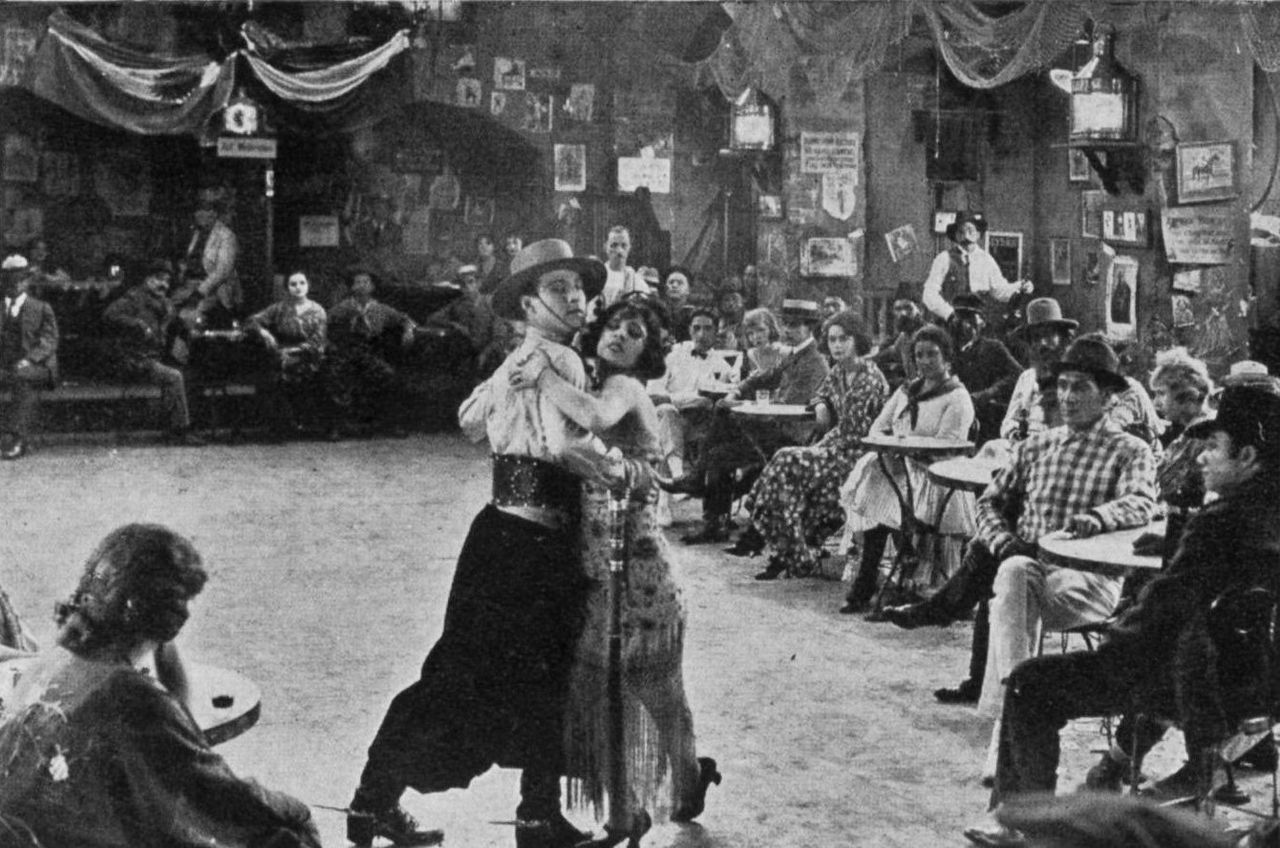


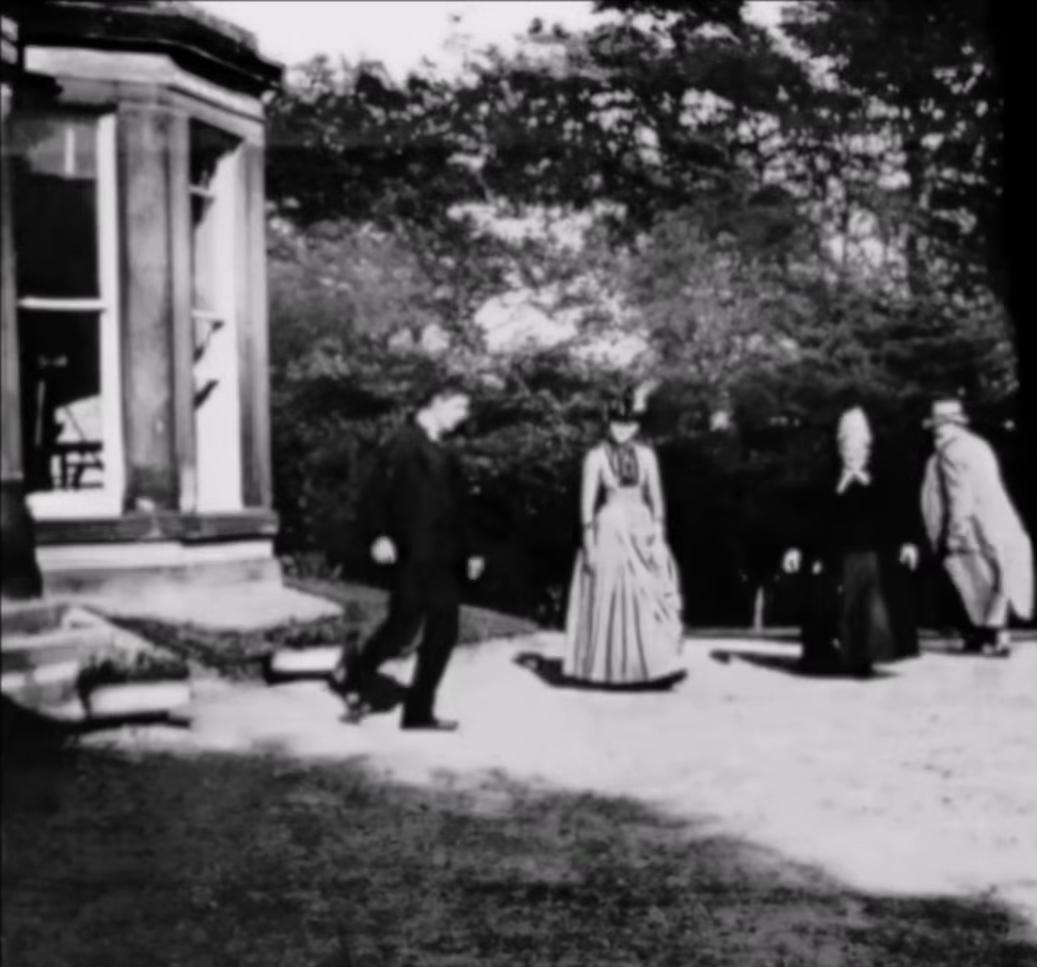
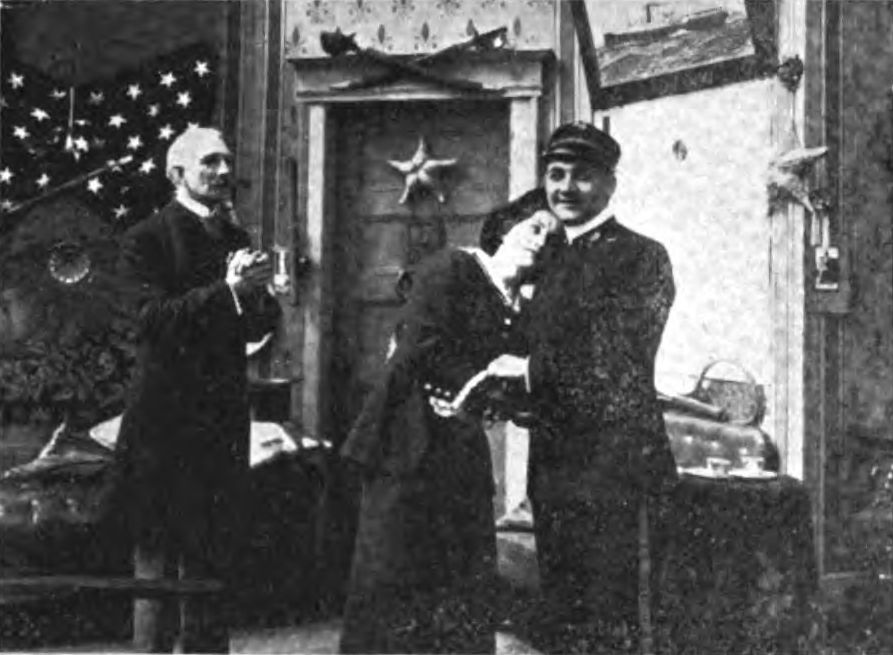
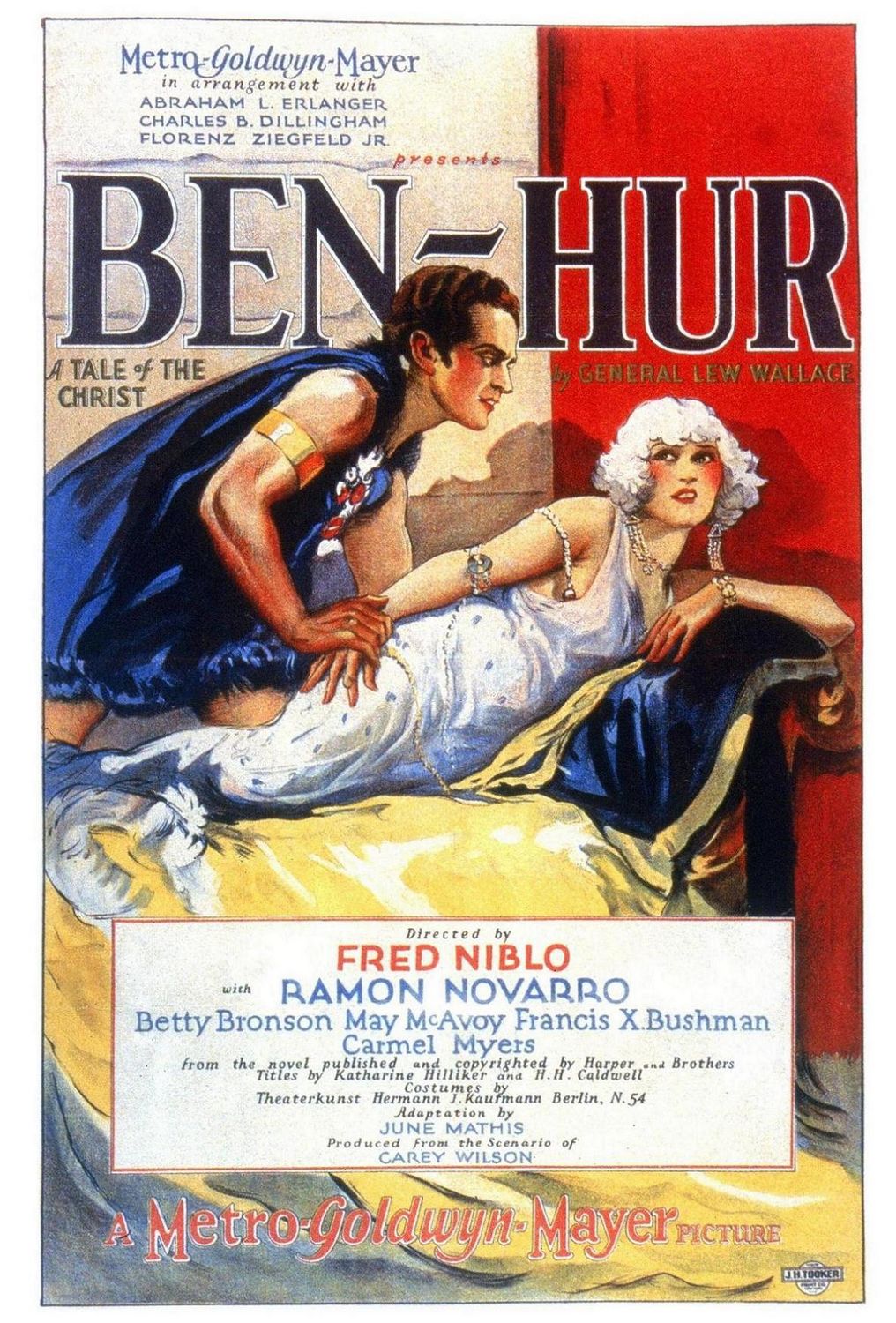
Characteristics and techniques
Silent-era productions developed a range of techniques to communicate without spoken words. Typical features include intertitles for dialogue and narration, expressive acting and pantomime, deliberate camera framing and lighting, montage editing to shape meaning, and color techniques such as tinting or hand-coloring to suggest mood. Directors and cinematographers also negotiated variable frame rates and the limits of contemporary film stock and optics; use of early cameras influenced image quality and shooting style.
- Intertitles that supply dialogue, exposition or scene-setting.
- Physical performance and mime conveying character and comic or dramatic beats.
- Editing and visual rhythm as primary storytelling tools.
- Practical effects, sets and in-camera tricks for spectacle.
History and the transition to sound
Silent filmmaking dates from the first public motion pictures in the late 1880s and continued as the dominant form into the early 1930s. Advances in sound recording and reproduction during the late 1920s prompted a rapid industry shift; some companies and theaters adopted new sound systems earlier than others, while economic, technical and artistic factors led many filmmakers to continue producing silent titles during the transition.
Notable people and films
Certain actors and directors became internationally renowned during the silent era. Charlie Chaplin is widely remembered for blending comedy with pathos, while other stars and filmmakers developed distinctive visual signatures. Some performers adapted successfully to sound cinema, while others did not, for reasons including voice, accent or changing audience tastes. Film historians often cite works such as Nosferatu for early horror, A Trip to the Moon for imaginative fantasy and effects, The General for physical comedy and stunts, and Metropolis for expressionist science fiction; many of these titles remain influential.
In addition to actors, the era fostered a star system and international exchanges among studios and filmmakers; some celebrated performers are grouped generally under terms like movie stars of the silent era.
Legacy, preservation and study
Silent films established core cinematic languages—editing patterns, visual metaphors and genre conventions—that continue to inform filmmaking. Preservation is a major concern: many silent films were produced on fragile nitrate stock and have deteriorated or been lost. Archives, restorers and scholars work to locate, repair and present surviving prints, often re-creating original piano or orchestral accompaniments and intertitle cards so modern audiences can appreciate the films as originally experienced. Festivals, museums and educational programs keep silent cinema accessible and contextualized for contemporary study and enjoyment.
Related articles
Author
AlegsaOnline.com Silent movie (silent film): overview, history and notable works Leandro Alegsa
URL: https://en.alegsaonline.com/art/90388