
Arthritis: causes, types, symptoms and management
Arthritis is a group of long-term disorders that damage joints and surrounding tissues, causing pain, stiffness and reduced mobility. Overview, types, causes, diagnosis, treatment and historical notes.
Arthritis describes a collection of disorders that affect one or more joints and the tissues around them. The word literally refers to inflammation of a joint, but in practice it includes both inflammatory and non-inflammatory conditions. People and animals can develop arthritis, which typically causes pain, stiffness and limits normal movement.
Image gallery
6 Images
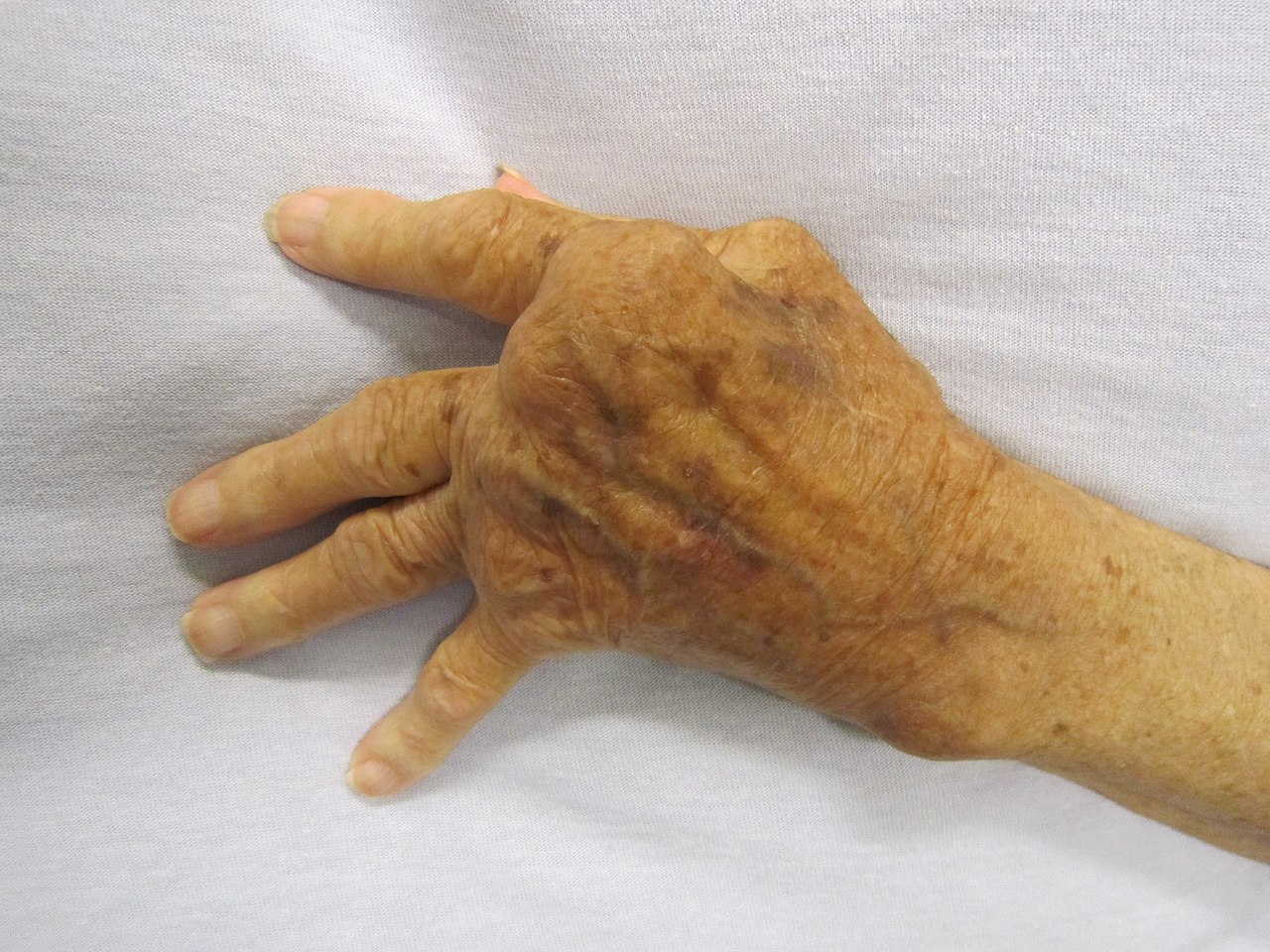



Common types and characteristics
There are many forms of arthritis. Osteoarthritis, the most common, involves gradual wear of joint cartilage. Autoimmune forms such as rheumatoid arthritis produce joint inflammation and systemic symptoms. Other examples include psoriatic arthritis, gout, and juvenile idiopathic arthritis. Each type differs in how it begins, which joints it affects, and the pattern of symptoms.
Causes and risk factors
Several factors increase the likelihood of developing arthritis: aging, previous joint injury, genetic predisposition, obesity, repetitive stress on a joint, and some infections. Autoimmune mechanisms underlie inflammatory types. Metabolic disturbances can cause crystal-induced arthritis such as gout. Understanding the underlying cause guides treatment.
Signs, diagnosis and tests
Typical symptoms include joint pain, swelling, warmth, stiffness after rest, and reduced range of motion. Doctors evaluate medical history and perform physical exams, blood tests for inflammation or autoantibodies, and imaging such as X-rays or MRI to assess joint damage. Diagnosis aims to identify the specific type and severity.
Treatment and management
There is no single cure for all arthritic conditions, but many strategies relieve symptoms and slow progression. Options include exercise and physical therapy, weight control, pain-relief medications, anti-inflammatory drugs, disease-modifying agents for autoimmune forms, and sometimes joint injections or surgery. Self-care, assistive devices, and education are important for daily function.
History, impact and notable facts
Descriptions of joint disease appear in ancient medical texts and on archaeological remains. The term combines Greek roots meaning joint (arthro-) and inflammation (-itis). Arthritis is a leading cause of disability worldwide and affects quality of life, work ability and mobility. Early recognition and tailored management can improve outcomes.
For more general overviews see a summary of conditions, basic anatomy of the joints, or definitions of inflammatory processes. Each resource can help distinguish types and available care approaches.
Questions and answers
Q: What is arthritis?
A: Arthritis is a group of diseases that cause damage to a person or animal's body joints.
Q: What is the meaning of arthritis?
A: The term "arthritis" refers to inflammation of bone or body joint.
Q: What are the symptoms of arthritis?
A: Arthritis can cause pain, swelling, and stiffness in the joints, making movement difficult and painful.
Q: How long does arthritis last for?
A: Arthritis is a condition that lasts for a long time, sometimes for a person's entire life.
Q: Is arthritis a single disease or a group of diseases?
A: Arthritis is a group of diseases that affect a person or animal's body joints.
Q: What are the effects of arthritis?
A: The effects of arthritis can be painful and debilitating, making movement difficult and reducing quality of life.
Q: Do animals get arthritis as well?
A: Yes, animals can also suffer from arthritis and experience joint pain, swelling, and stiffness.
Related articles
Author
AlegsaOnline.com Arthritis: causes, types, symptoms and management Leandro Alegsa
URL: https://en.alegsaonline.com/art/6261
Sources
- ic.galegroup.com : "Arthritis"
- healthypet.com : "Healthy Pet: Arthritis"