
Lion (Panthera leo): biology, behaviour, history and cultural importance
Comprehensive overview of the lion (Panthera leo): appearance, social behaviour, diet, historical range, conservation challenges and cultural significance across regions.
Overview
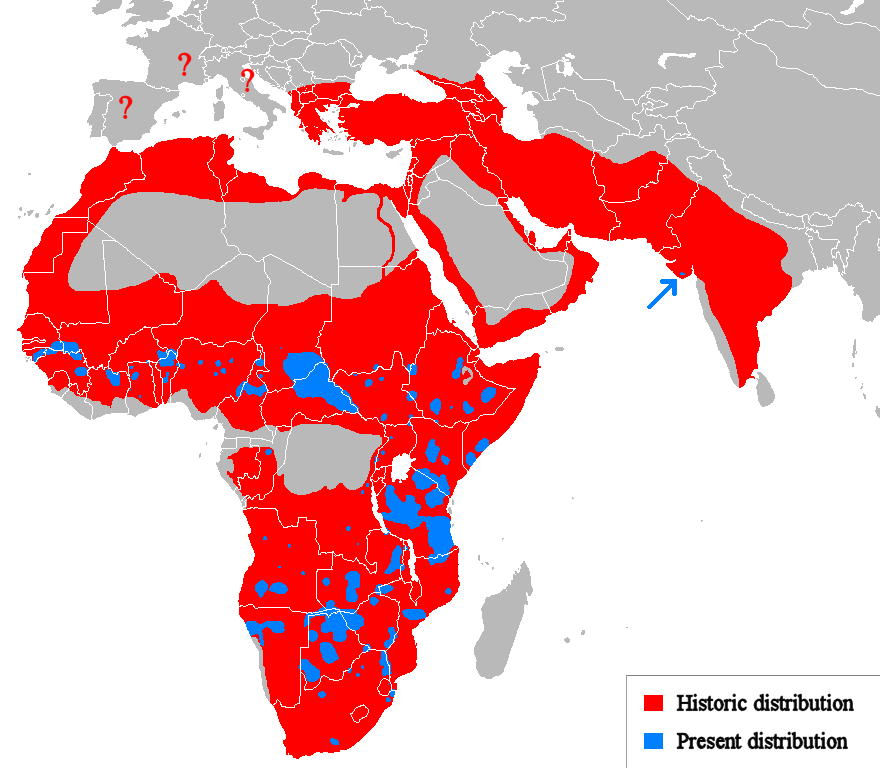
The lion (Panthera leo) is one of the largest living felids and a defining predator of many open ecosystems. It belongs to the Felidae family and is commonly known as a big cat. Today most wild lions are found in sub-Saharan parts of Africa, with a small remnant population persisting in parts of Asia. Lions are well adapted to open country such as grasslands and mixed bush, where visibility and cooperative hunting improve their success.
Image gallery
10 Images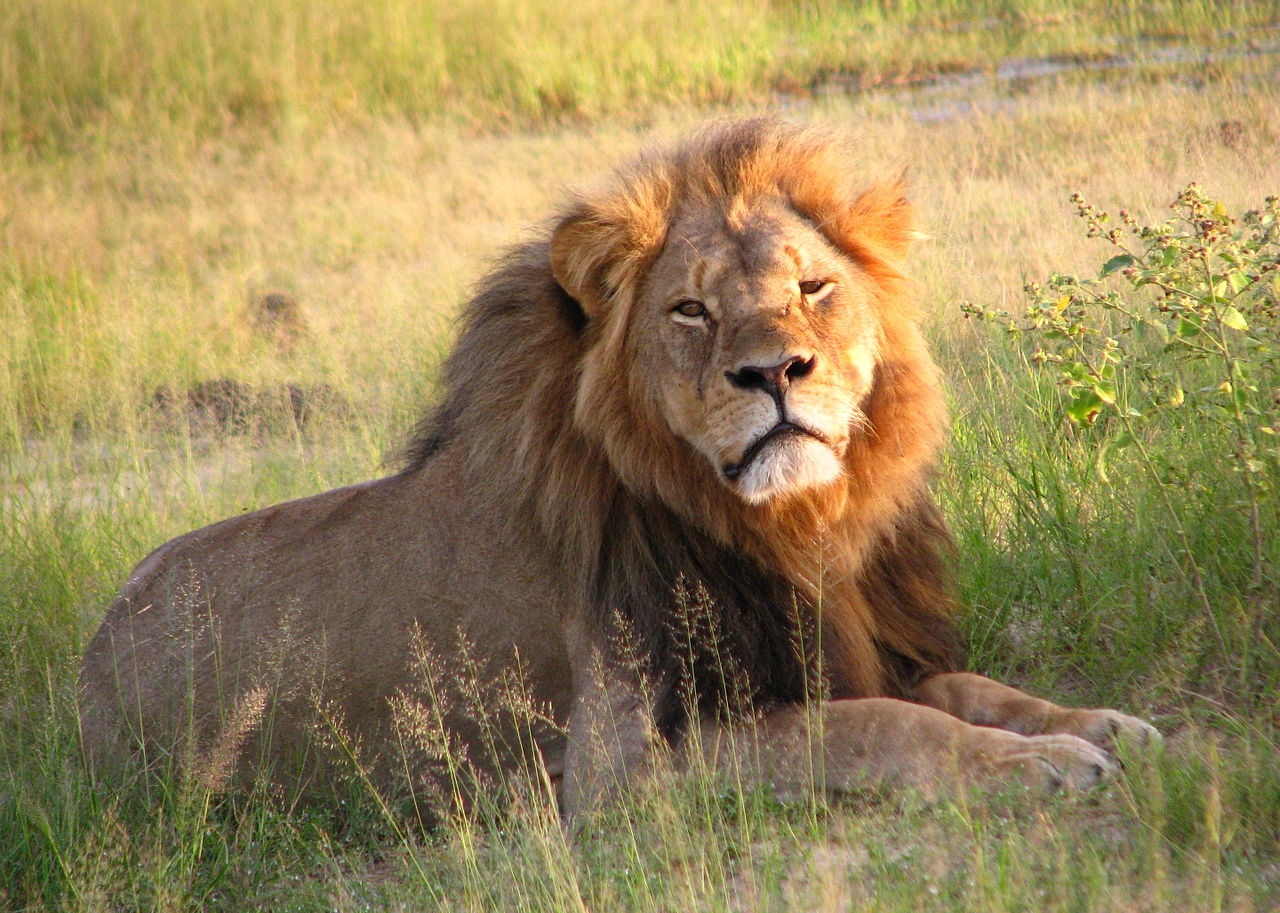



Physical characteristics
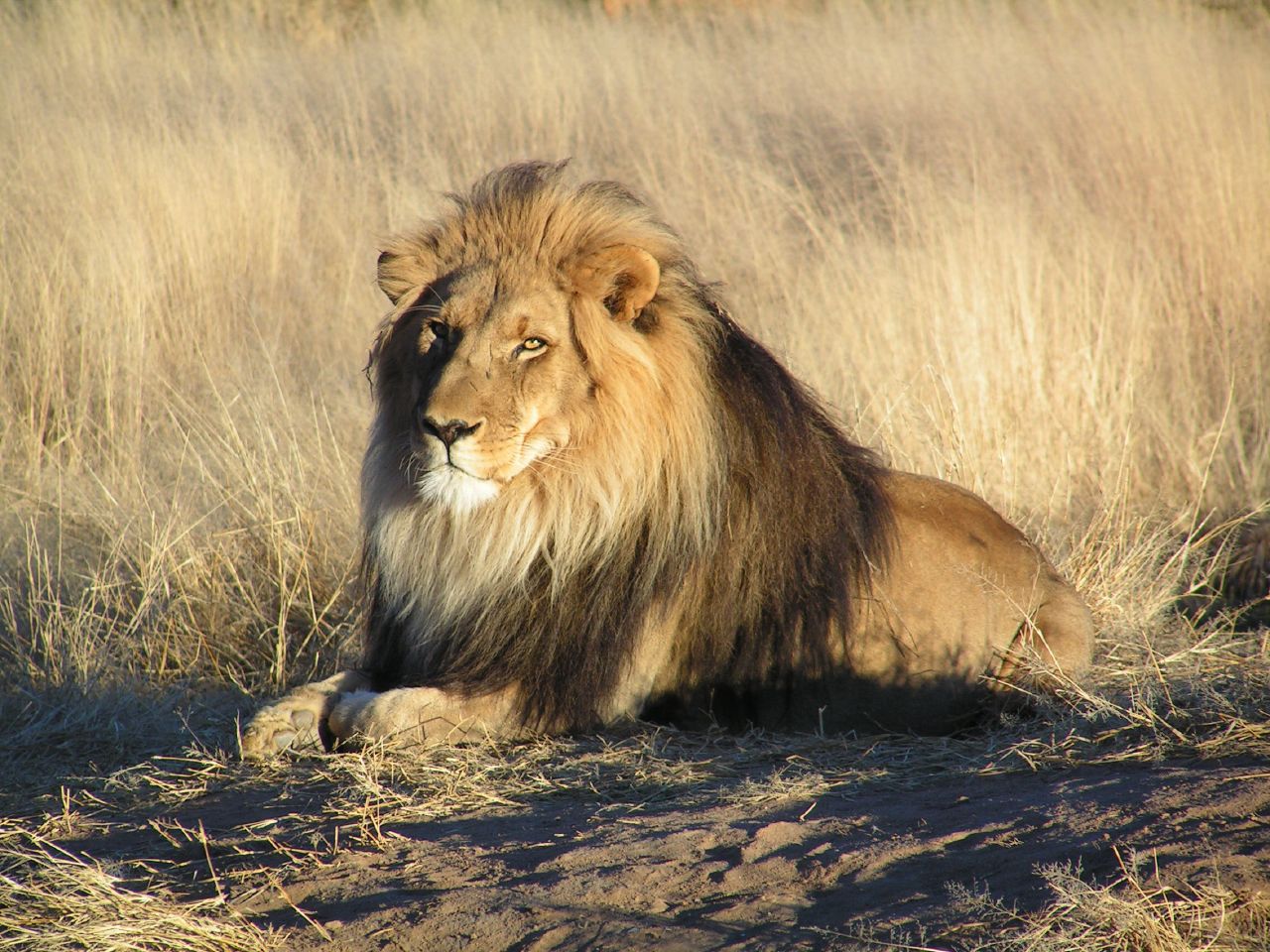
Lions show marked sexual dimorphism. Adult males typically develop a mane that varies in size and color; females lack a full mane and are generally smaller and more lightly built. Some large males can weigh over 250 kg, and both sexes possess powerful forelimbs, strong jaws and retractable claws for seizing prey. Lifespans in the wild are commonly around ten to fourteen years, while individuals in captivity may live longer; wild males often have shorter lives because competition and injuries from fighting reduce longevity.
Social structure and behaviour
Unlike most other cats, lions are social and form groups called prides. A pride typically consists of related adult females, their dependent young and a small number of resident males. Females often remain in the natal pride and cooperate in rearing cubs and in hunting. Adult males defend territory and access to the pride, and male turnover through fights or displacement affects pride stability and cub survival.
Hunting and diet
Hunting is usually a cooperative effort among females, who use stealth and short bursts of speed to ambush herd mammals. Lions are apex predators (apex predators) but will scavenge when opportunities arise. Typical prey includes various antelope, African buffalo, zebras, warthogs and wildebeest. They may also take smaller animals such as birds and hares, and occasionally unusual or opportunistic items like turtles or fish. Very large prey such as giraffes or young elephants can be taken, usually when hunting cooperatively and when calves or weakened individuals are available. Lions often investigate signs of carrion, and circling vultures are a well-known cue to a carcass.
Reproduction and life cycle
Female lions give birth after a gestation of around three and a half months to a litter of cubs. Cubs are born blind or with limited vision and depend on their mother and other pride females for food and protection. Young lions learn hunting skills over several months and may remain with the pride until they reach sexual maturity. Male lions commonly disperse and attempt to establish or take over prides, a process that influences local population dynamics.
Historical range and population changes
Lions were formerly far more widespread. Until the late Pleistocene, lions were among the most broadly distributed large mammals, recorded across most of Africa, large parts of Eurasia and in the Americas from areas as far north as the Yukon to regions of South America such as Peru. Over the last several centuries their range has contracted sharply: they have disappeared from much of North Africa, including parts of North Africa, and from many regions of southwest Asia. Today the species is often assessed as vulnerable at a global level, with regional variation in status.
Threats and conservation
Primary threats to lion populations include habitat loss and fragmentation, reductions in natural prey, and direct conflict with humans over livestock or perceived danger. Conservation measures include protected areas, community-based conflict mitigation, anti-poaching efforts and landscape-scale planning to maintain connectivity between populations. Effective conservation typically combines scientific monitoring, law enforcement and engagement with local communities to reduce retaliatory killing.
Ecological role
As top predators, lions influence herbivore populations and can affect vegetation and ecosystem structure through trophic interactions. Their presence helps maintain balance in many savanna and grassland systems, such as savanna mosaics, where predator–prey dynamics are integral to ecological function.
Cultural significance
Lions have long been potent cultural symbols across human societies. Frequently described as the "king of beasts", they often represent courage, strength and leadership (courage motif). Lions appear in heraldry, religion and art and serve as an icon of royalty in many traditions. This symbolic importance has both aided and complicated their conservation: public affection can support protection, while cultural uses and exploitation have at times contributed to declines.
Human-lion interactions and management
Where lions and people share landscapes, conflict can arise from livestock depredation and risks to human safety. Modern management approaches emphasise preventative measures such as improved livestock husbandry, predator-proof enclosures, and compensation or insurance schemes. Research and monitoring, including population surveys and radio- or GPS-collar studies, inform adaptive management and help measure recovery where conservation actions are implemented.
Quick facts
- Scientific name: Panthera leo.
- Family: Felidae.
- Typical habitat: grasslands and savanna.
- Diet: primarily medium to large ungulates including antelope, zebra and wildebeest.
- Conservation status: often listed as vulnerable; threatened by habitat loss and human conflict.
Further reading and resources
For regional information and species-specific guidance consult range-focused resources covering sub-Saharan populations, continental reviews of Africa and the remaining Asian population. Case studies of group hunting and social behaviour provide insight into group hunting tactics and pride dynamics. Historical and palaeontological contexts consider extinctions in North Africa and the broader Pleistocene record (Pleistocene, northern records, southern fossil records). Cultural discussions address symbolism (symbolism, courage motif, heraldry, iconography), while ecological literature treats their role as apex predators. Further resources include species accounts, conservation status reports and community-based management guides focused on conflicts over buffalo, depredation of warthogs, opportunistic prey such as birds and small mammals, and infrequent predation on turtles or fish. Information on interactions with large prey and elephant calves is specialized and region dependent, and studies of scavenging often note the signalling role of vultures.
Questions and answers
Q: What is the scientific name of the lion?
A: The scientific name of the lion is Panthera leo.
Q: Where do wild lions live today?
A: Wild lions today live in sub-Saharan Africa and in Asia.
Q: How long can a lion live when it is in captivity?
A: When a lion is captured, it can live longer than 20 years.
Q: What type of environment do lions usually inhabit?
A: Lions usually inhabit savanna and grassland environments which have some bushes and trees but are mainly adapted for hunting prey on grasslands.
Q: Are lions solitary or social animals?
A: Lions are social animals; they form groups called prides which consist of related females, their young, and one or two adult males.
Q: What kind of food do lions eat?
A: Lions are carnivores and scavengers; they feed on antelope, buffalo, zebras, warthogs, wildebeest, birds, hares, turtles, fish, giraffes, and young elephants. They also scavenge animals either dead from natural causes (disease) or killed by other predators.
Q: Why have lions disappeared from certain parts of the world?
A: Lions have disappeared from North Africa and southwest Asia in historic times due to habitat loss and conflicts with humans.
Related articles
Author
AlegsaOnline.com Lion (Panthera leo): biology, behaviour, history and cultural importance Leandro Alegsa
URL: https://en.alegsaonline.com/art/58336
Sources
- departments.bucknell.edu : "Panthera leo"
- google.com : Mammal Species of the World: A Taxonomic and Geographic Reference
- worldcat.org : 62265494
- iucnredlist.org : "Panthera leo"
- nrcresearchpress.com : nrcresearchpress.com/doi/abs/10.1139/e69-127
- awf.org : "Behavior and Diet"
- girforest.in : "Gir National Park Website"
- conservationinstitute.org : "Top 10 Most Dangerous Animals In The World"
- iucnredlist.org : Panthera leo