
Lions in heraldry: symbolism, forms, history and notable examples
Overview of the lion as the most common heraldic beast: meanings, blazon terms, common attitudes, historical development, and well-known national and dynastic examples.
Overview
The lion is the most frequently depicted animal in European heraldry and has long stood as a compact symbol of courage, authority, and nobility. Heralds and artists placed lions on shields, banners and crests to signal martial prowess, dynastic claims, or moral virtues. Because a single motif must serve as an identifying device, the lion became a flexible emblem that could be varied by color, posture and additional accessories so that many similar but distinct coats of arms could coexist.
Image gallery
1 Image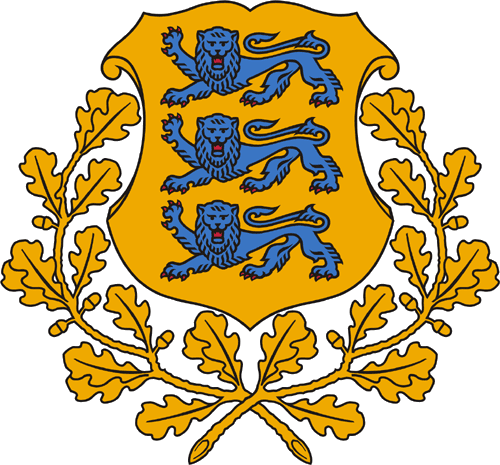
Characteristics and heraldic terminology
A lion in a heraldic description — the blazon — is specified by its tincture (color), attitude (position), and sometimes by secondary details such as its tongue and claws. Common technical terms include being "armed" (teeth and claws shown in a contrasting tincture) and "langued" (the tongue colored differently). Other attributes that may be blazoned are a crown, a forked (double) tail, or whether the lion is crowned or collared. For general background see lions and the practice of heraldry.
Common attitudes (positions)
- Rampant — standing erect on one hind leg with forepaws raised; a common and dramatic attitude.
- Passant — shown walking, with one forepaw raised; often used in national arms.
- Guardant or Guardant (or gardant) — facing the viewer, used with other attitudes (for example, "passant guardant").
- Sejant — seated; couchant — lying down but alert.
- Statant — standing on all fours; regardant — looking backward over the shoulder.
History and cultural significance
The lion's heraldic prominence reflects a mixture of classical, biblical and popular associations. Medieval audiences recognized the lion as the "king of beasts," a frequent emblem of rulership and martial valor in literature and bestiaries. Heraldry emerged in the High Middle Ages as a practical system of identification on the battlefield and in tournaments; the clarity and recognizability of a lion made it ideal for shields and banners worn over armor. The widespread desire to display the same powerful symbol led to many deliberate variations so that arms could remain unique.
Uses, examples and notable distinctions
Distinct examples illustrate how a single creature was adapted for different traditions. The three lions passant guardant (gold lions on a red field) are a long-recognized element of the English royal arms; Scotland preserves a single red lion rampant on a gold field as its royal banner. Some continental traditions treat walking lions differently: French heralds historically called a walking lion a "leopard," a usage seldom followed in British blazons. Other noteworthy innovations include the double-tailed lion used in some Central European arms, which became an identifying feature of certain medieval dynasties.
Practical considerations and modern use
In formal blazon a lion's orientation, number, tincture and any special treatment (for example, "armed gules" to indicate red claws) are all specified so the image can be reproduced consistently. Lions continue to appear on municipal, national and corporate heraldry, where they convey tradition and authority. For more on symbolism and terminology see symbolism, and for references to virtues such as bravery consult introductory heraldic guides. Historical context is discussed in sources about the medieval period and the origin of coats of arms (Middle Ages), while practical usage on armour and banners is explained in armorial studies (armour). Further reading on the practice of assigning and differencing arms is available in general treatments of the coat of arms.
Each of the above link placeholders offers a starting point for deeper exploration: lions, heraldry, symbolism, bravery, coat of arms, Middle Ages, armour.
Questions and answers
Q: What animal appears most often in heraldry?
A: Lions appear more often than any other animal.
Q: What does a lion traditionally symbolize in heraldry?
A: A lion traditionally symbolizes bravery, valour, strength, and royalty.
Q: How can a lion appear in a coat of arms?
A: A lion can appear as a charge on the shield or as a crest.
Q: How are lions described in the blazon?
A: Lions are described in the blazon by their tincture (color) and attitude (position).
Q: What does "armed" mean in heraldry?
A: "Armed" means the teeth and claws of a lion can be colored differently from the rest of its body.
Q: Why are lions shown in many different ways in heraldry?
A: When heraldry developed, a lot of people wanted a lion on their coat of arms, but no two coats of arms can be the same.
Q: What was the purpose of heraldry in the Middle Ages?
A: The purpose of heraldry in the Middle Ages was to identify people with bold images over the outside of their armor.
Related articles
Author
AlegsaOnline.com Lions in heraldry: symbolism, forms, history and notable examples Leandro Alegsa
URL: https://en.alegsaonline.com/art/58349
Sources
- openlibrary.org : A Complete Guide to Heraldry