
Life Vest (Personal Flotation Device)
A life vest, or personal flotation device (PFD), is worn to keep a person afloat and their airway clear in water. This article explains design, types, history, uses, and safety guidance.
Overview
A life vest—also called a personal flotation device (PFD), lifejacket, or cork jacket—is a wearable item designed to keep a person afloat and to help keep the wearer’s head above water so they can breathe. Unlike simple swimming aids, a properly fitted life vest can provide effective buoyancy whether the wearer is conscious or unconscious. For more guidance on selection and regulation, see PFD information.
Image gallery
10 Images
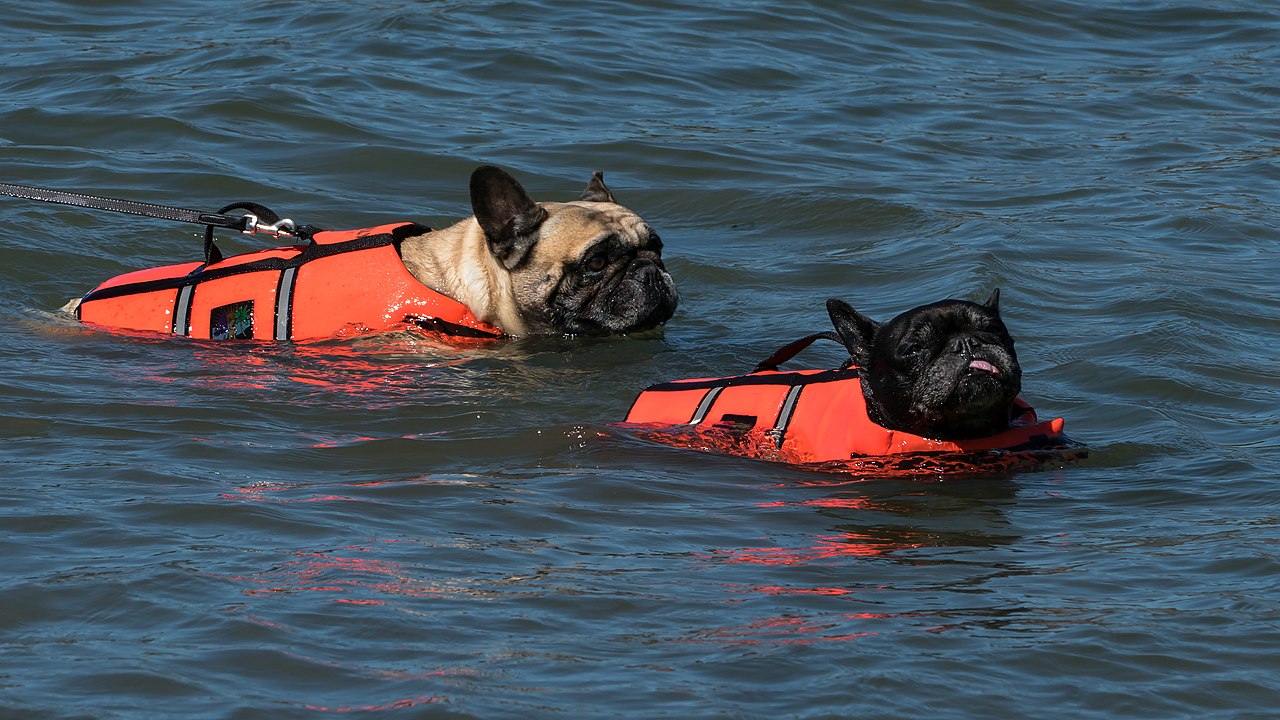


Design and main components
Life vests achieve flotation through buoyant materials or inflatable chambers. Common elements found on many vests include:
- Buoyant material: closed-cell foam or buoyant blocks that provide inherent flotation.
- Inflatable chambers: gas-filled bladders that expand when manually or automatically activated.
- Cover and straps: durable outer fabric, adjustable waist and shoulder straps, and sometimes crotch straps to keep the vest from riding up.
- Safety fittings: reflective tape, grab handles, whistles, and attachment points for harnesses or tethers.
Types and performance characteristics
Vests vary by buoyancy, intended activity, and activation method. Practical categories include:
- Inherently buoyant vests: made of foam or buoyant materials; they provide continuous flotation without any action.
- Inflatable vests: use compressed gas cartridges to inflate. They may be manual (pull cord) or automatic (water-activated) or both.
- Hybrid vests: combine foam and inflatable elements to reduce bulk while ensuring some inherent buoyancy.
- Throwable devices and swim aids: items such as ring buoys and seat cushions are intended to be thrown to a person, while swim aids (noodles, flotation belts) are not designed to keep an unconscious person’s airway clear.
Authorities typically assign buoyancy ratings or classes so users can choose a device appropriate for weight, activity, and environment (open sea, inland waters, or whitewater sports).
History and development
Early flotation garments used natural materials like cork or kapok to provide buoyancy. Over the 19th and 20th centuries, designs evolved as synthetic foams and waterproof fabrics became available. The development of small, reliable CO2 cartridges in the mid-20th century made compact inflatable vests practical for recreational use. Modern manufacturing emphasizes lightweight materials, improved comfort, and features that promote automatic righting of an unconscious wearer.
Uses, care, and safety considerations
Life vests are widely used in recreational boating, commercial shipping, fishing, watersports, and aviation overwater operations. Key safety practices include:
- Choose a vest sized and rated for the wearer’s weight and the intended activity.
- Ensure a snug fit and secure all straps so the vest cannot slip off in the water.
- Inspect regularly for damage, leaks, or corrosion; inflatable vests require periodic servicing per manufacturer instructions.
- Keep reflective elements and whistles in good condition to aid rescue.
- Understand the limitations: a PFD aids survival but does not replace the need for basic water skills and common-sense precautions.
Distinctions and notable points
Terminology varies by region—"life jacket" often implies a higher level of buoyancy and automatic righting, while "life vest" and "PFD" are broader terms. Inflatable vests offer low bulk and high mobility, but they depend on correct maintenance and activation. In many countries, authorities mandate wearing an approved PFD for certain vessels, conditions, or passengers. Choosing the correct type and maintaining it properly are important steps in reducing drowning risk and improving survival after an accident.
Related articles
Author
AlegsaOnline.com Life Vest (Personal Flotation Device) Leandro Alegsa
URL: https://en.alegsaonline.com/art/57900