
Lipstick: composition, types, history, uses and safety
Lipstick is a cosmetic applied to the lips to add color, shine, or texture. This article describes its ingredients, common formats, history, application tips and safety considerations.
Overview: Lipstick is a cosmetic product commonly applied to the lips to change their color, enhance shine, alter texture, or provide protection. As a staple of personal grooming and fashion, it ranges from sheer balms to highly pigmented long‑wear formulas. Consumers select versions for color, finish, hydration, or durability.
Image gallery
10 Images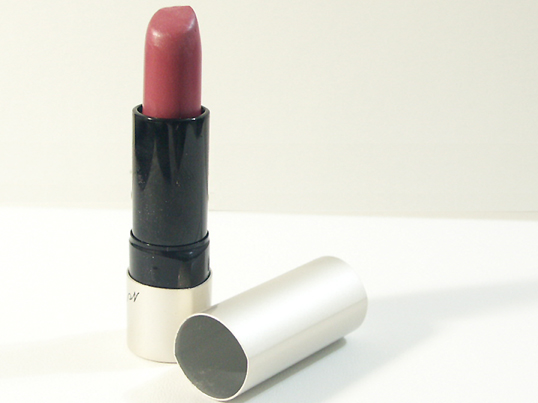



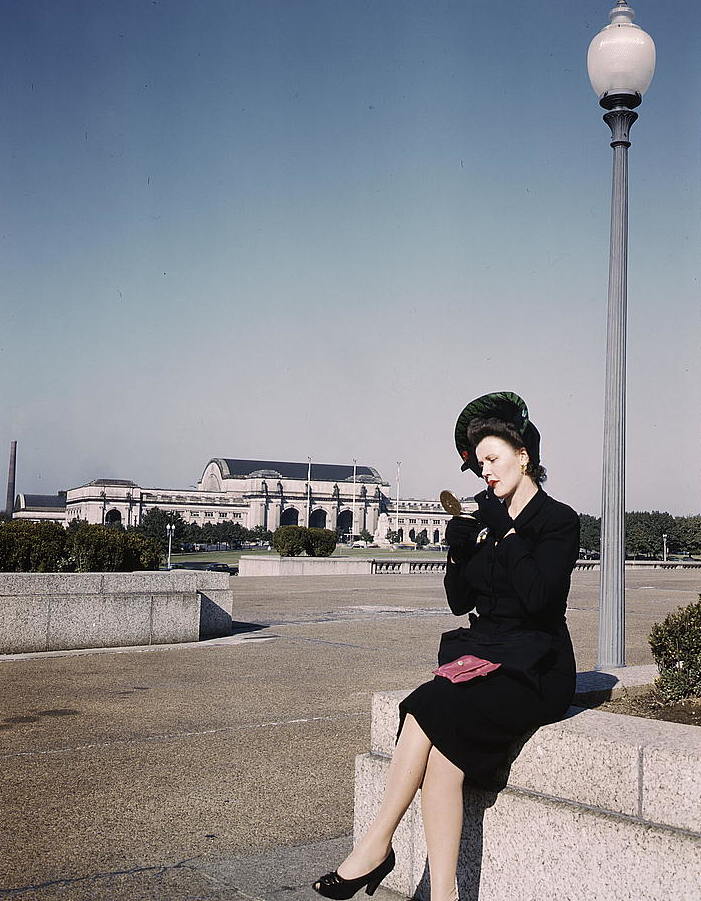

Composition and common ingredients
Most lipsticks combine a waxy structure with oils and pigments. Typical components include natural or synthetic waxes for shape, oils and esters for spreadability, pigments and dyes for color, emollients and humectants for moisture, and preservatives or antioxidants for shelf life. Fragrance and sunscreen agents appear in some formulas. Variations alter these ratios to create matte, cream, glossy, or long‑wear effects.
Formats and varieties
Lip color is manufactured in multiple formats to suit different needs:
- Solid bullet or tube: the traditional, twist‑up stick.
- Liquid lipstick: applied with a wand, often dries to a matte finish.
- Lip gloss: adds translucent shine and can be layered.
- Lip stain: imparts longer‑lasting pigment with minimal residue.
- Lip balm and tinted balms: prioritize hydration over intense color.
- Lip pencil and crayon formats: for precise application and definition.
History and development
Colouring the lips is an ancient practice documented in many cultures. Early civilizations used plant, mineral and animal‑derived pigments for cosmetic effect. Over centuries, techniques and materials evolved; by the modern era industrial chemistry and packaging innovations made mass‑market lipstick affordable and widely available. Social fashions and media have repeatedly influenced popular shades and finishes.
Uses, application and tips
Lipstick serves aesthetic, protective and theatrical roles. Application commonly involves exfoliating and moisturizing lips first, optionally using a lip liner to define edges, then applying color and blotting or layering for desired intensity. Professional and everyday users choose formulas based on occasion, climate and comfort. Simple tips include using a brush for precision, setting with powder for longer wear, and keeping a remover or balm to remove product at night.
Safety, selection and notable facts
Many national regulators set standards for contaminants and labeling. Some consumers watch for allergens, irritants, or traces of metals in pigments; others prefer cruelty‑free or vegan formulations. Lipstick lifespan varies by formula; hygiene matters because products contact mucous membranes. For more on cosmetics regulation and ingredient guidance see general resources on cosmetic products.
Related articles
Author
AlegsaOnline.com Lipstick: composition, types, history, uses and safety Leandro Alegsa
URL: https://en.alegsaonline.com/art/58371