
Lycra (Spandex / Elastane): properties, history, production and uses
Comprehensive overview of Lycra (spandex/elastane): composition, manufacturing, history, common applications, care, environmental and health considerations, market geography and end-of-life options.
Overview
Lycra is a widely used brand name for a family of highly elastic synthetic fibers generically known as elastane and commonly called spandex in many regions. These fibers are characterised by exceptional stretch and rapid recovery: a small proportion blended with other yarns provides garments with shape retention, a close fit and freedom of movement. In everyday language the terms Lycra, elastane and spandex are often used interchangeably, though each name has a distinct commercial or regional origin.
Image gallery
6 Images



Composition and manufacture
Elastane fibers are produced from long-chain synthetic polymers, typically segmented polyurethanes formed by reacting polyols and diisocyanates. The basic route involves polymer synthesis, solution spinning and filament formation. In solution spinning, the polymer is dissolved in an appropriate solvent, extruded through spinnerets, and then solidified by evaporation or coagulation to form continuous filaments. The filaments can be drawn to align polymer chains and tuned to achieve target denier, elasticity and strength. Yarn finishing and texturing steps adapt the raw filaments for knitting or weaving with other fibers such as cotton, polyester or nylon. For general descriptions of processing and terminology see a textile glossary entry at technical notes.
Origins and historical development
The commercial development of these elastic polyurethanes began in the 1950s. The material that became widely known as Lycra was introduced by researchers working on fiberizable polyurethane chemistry; industrial chemists including Joseph Shivers played important roles in early developments and commercialization—historical background and inventor profiles are summarised at historical notes. The name "spandex" reportedly echoes the concept of expansion and was selected because of its descriptive simplicity. Over the following decades improvements in polymer formulations, spinning technologies and finishes expanded the range of available filament sizes and the durability of finished garments.
Trademark, terminology and brand distinctions
"Lycra" is a registered trademark used by a major chemical company to market its branded elastane fibers; other manufacturers supply functionally similar fibers under their own trade names. The term "elastane" is the common international or European technical name for this class of fiber. While branded Lycra products may be promoted for specific performance attributes or quality controls, generic elastane is functionally equivalent for many end uses. Brand pages and corporate product descriptions provide comparative specifications at product information.
Common uses
Elastane is rarely used on its own; it is normally blended with other yarns in proportions that vary by end use. Typical applications include:
- Apparel: close-fitting garments such as underwear, bras and hosiery where stretch and recovery are required. Consumer-facing comparisons and fit advice often appear at garment guides.
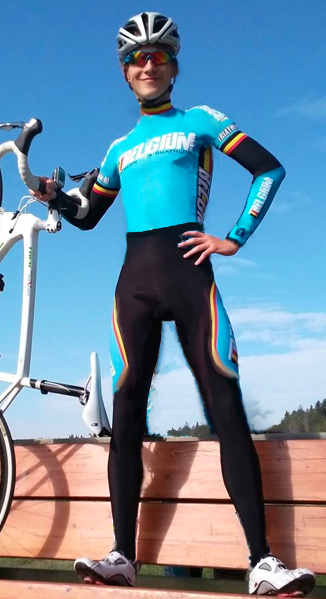
- Activewear and performance clothing: sports garments that demand freedom of movement—cycling shorts, running apparel, gymnastics leotards and wrestling singlets—benefit from elastane blends; see technical briefs at sports textiles.
- Swimwear and watersports: swimsuits and rashguards commonly incorporate elastane because blends dry relatively quickly and provide shape retention when wet; manufacturing and care notes are available at swimwear guidance.
- Medical and compression textiles: bandages, support garments and compression hosiery use controlled stretch to provide therapeutic pressure. Clinical references and standards are summarised at medical textiles.
- Technical and industrial uses: elastane may be included in upholstery, protective clothing and specialist textile constructions where limited elasticity improves comfort or fit; overviews appear at technical uses.
Blends and garment design
The percentage of elastane in a textile blend determines how the fabric behaves. Low percentages (typically 1–5%) provide modest stretch while retaining the appearance and breathability of the companion fiber; higher percentages increase elasticity and recovery but alter drape, feel and sometimes breathability. Designers and manufacturers select fiber blends to balance comfort, durability and function. The choice of companion yarn—cotton for softness, polyester or nylon for strength and moisture management—affects dyeing, finishing and the final garment care requirements.
Care and laundering
To preserve elasticity, garments containing elastane are generally washed in cool or warm water rather than hot, and should be dried at low temperature or air-dried. High heat from tumble dryers, prolonged sun exposure, and strong bleaching agents can accelerate loss of elasticity and degrade fibers. Many garments include specific manufacturer care instructions; consumer care guides and label reading help are provided at care guidelines.
Environmental and health considerations
Production of elastane involves energy use, solvents and chemical inputs that require appropriate controls. Modern facilities often implement solvent recovery, wastewater treatment and emissions controls to reduce environmental impact. While raw monomers and processing chemicals need careful handling, industry and independent assessments discuss risk management and mitigation; summaries and sustainability reporting are published at sustainability reports and regulatory reviews at environmental assessments. Occupational health studies examine exposures and long-term outcomes for workers; available research and reviews can be consulted at worker health studies.
End-of-life, recycling and alternatives
Elastane presents challenges at end of life because it is a synthetic polymer often combined with other fibers, which complicates mechanical recycling. Some recycling processes focus on recovering companion fibers or on chemical recycling routes that depolymerise synthetic components, but wide-scale closed-loop systems for elastane blends remain limited. Alternatives to elastane for providing stretch include engineered knit structures, mechanical elastication (using elastic yarns that are removable), and novel bio-based or biodegradable stretch fibers in development. Consumers and manufacturers increasingly consider garment longevity, care practices and recycling options when selecting materials.
Market geography and production
Manufacturing of elastane has become globalized. While the technology originated with manufacturers in North America and Europe, production capacity has expanded substantially in East and Southeast Asia. Large chemical and textile companies operate research, production and finishing facilities in multiple regions; industry reports and market analyses discuss capacity, trade flows and demand trends at industry analysis and related market reviews at global market reports.
Summary
Lycra, spandex and elastane are terms that refer to a family of elastic synthetic fibers used widely to add stretch and recovery to textiles. Their manufacture requires chemical synthesis and controlled spinning; the fibers are most valuable in blends that combine fit, comfort and performance. Environmental, health and end-of-life issues are active areas of technical and regulatory attention, and ongoing innovations in polymer chemistry, recycling and textile design continue to influence how these materials are made and used.
Questions and answers
Q: What is Lycra?
A: Lycra is a type of synthetic fabric that is very elastic. It is also called Spandex or elastane.
Q: Who invented Lycra?
A: Lycra was invented in 1958 by Joseph Shivers, a chemist.
Q: What is it made from?
A: Lycra is made from a combination of polyester and polyurethane.
Q: What types of clothing does it commonly used to make?
A: Because of its elasticity and strength, lycra is often used to make clothing such as tights, bras, shirts, underwear, sports clothing like wrestling singlets, swimsuits and wetsuits.
Q: Is there any difference between the terms "Lycra", "elastane" and "spandex"?
A: Aside from the varied manufacturing processes that can be used to make this fabric, there are no distinct differences between Lycra, elastane, and spandex. The term "elastane" is most commonly used in Europe while “Spandex” is an anagram of “expands” which has become the preferred term for referring to elastane products in the United States and elsewhere. The “Lycra” brand however is one of the most reliable and high-quality forms of elastane fabric on the market but can sometimes cost more than other types of spandex.
Q: Where Is Lycra Fabric Produced?
A: DuPont has manufacturing locations in more than 90 countries so this fabric could be made in any number of areas around the world with China being one dominant manufacturer due to its shift eastward over recent decades.
Q: How Does Lycra Fabric Impact the Environment?
A:The production of Lycra isn't considered detrimental to the environment as its raw ingredients are synthesized in laboratory settings rather than derived from non-renewable resources like petroleum oil though carcinogenic chemicals are involved during production process which may pose some risk for factory workers depending on where they work .
Related articles
Author
AlegsaOnline.com Lycra (Spandex / Elastane): properties, history, production and uses Leandro Alegsa
URL: https://en.alegsaonline.com/art/60083