
Lingerie: definition, materials, history and cultural role
Lingerie refers to women's undergarments designed for support, comfort, shaping or aesthetic appeal. This article covers common materials, styles, historical development and cultural significance.
Overview
Lingerie is a category of women's undergarments that emphasizes fit, fabric and appearance as well as practical function. The word comes from a French root associated with linen and originally described fine, often delicate, underwear and sleepwear. In contemporary usage it ranges from basic bras and panties to decorative ensembles intended to be seen or admired, and is distinguished from purely functional underwear by its attention to style and detail. Lingerie is widely represented in fashion advertising and media, which shapes public perceptions of the category; see contemporary approaches to advertising.
Image gallery
6 Images


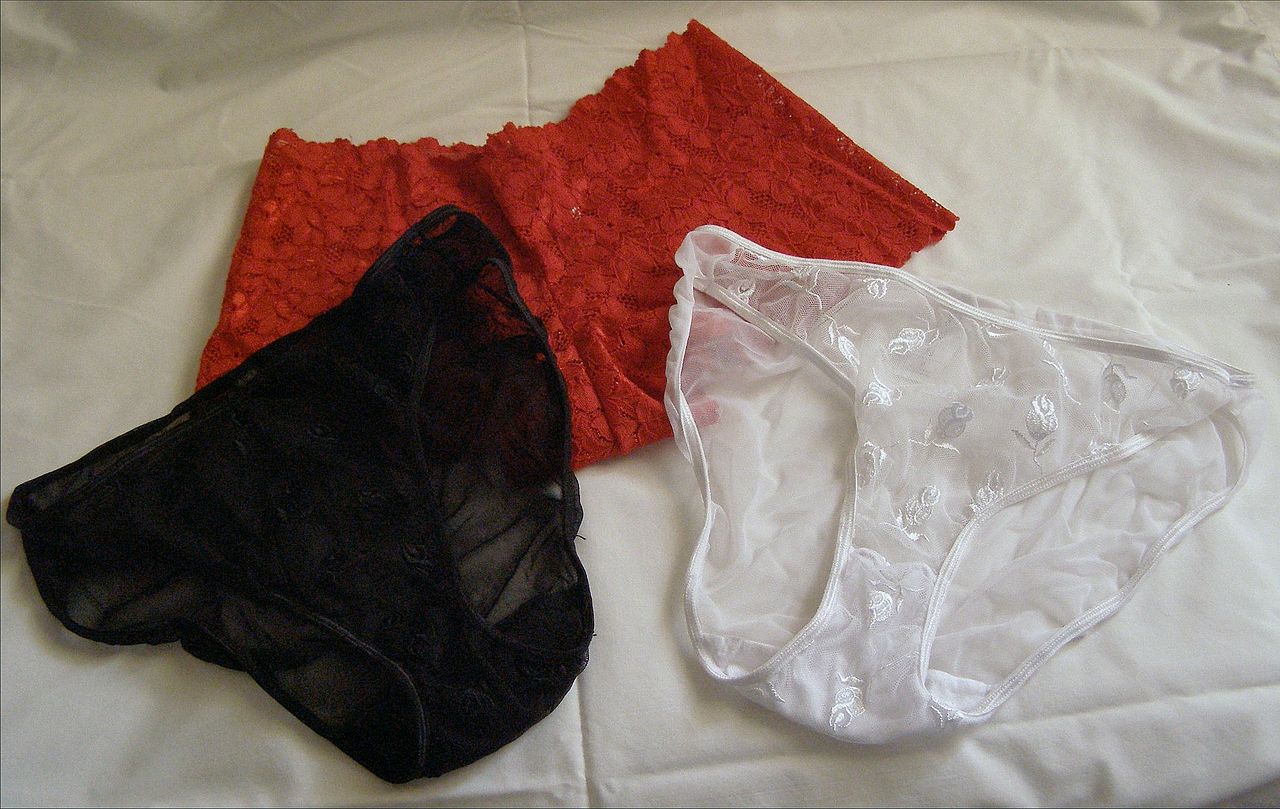
Materials and construction
Garments marketed as lingerie use a variety of fabrics chosen for comfort, drape and appearance. Common materials include:
- silk — prized for its smooth feel and sheen
- cotton — breathable and widely used for everyday pieces
- polyester — durable, colorfast and inexpensive
- satin — a glossy weave often used for slips and robes
- nylon — a synthetic fiber that revolutionized hosiery and lingerie production
- lace — decorative openwork fabric commonly used for trimming and panels
Construction also involves elastic trims, underwires, padding and stitching techniques that affect support, silhouette and durability.
History and development
The concept of lingerie as a visually appealing category emerged in the late nineteenth and early twentieth centuries, when designers began promoting lighter, less restrictive garments. Pioneers in fashion helped move women away from heavy corsetry toward softer supports and layered undergarments. The rise of mass manufacturing and the introduction of synthetic fibers in the twentieth century made a wider variety of styles affordable and easier to care for, while evolving social norms and fashion trends continually reshaped what lingerie looks like and how it is worn.
Functions and cultural importance
Lingerie serves several purposes: practical support (for example, bras and shaping pieces), thermal comfort, modesty beneath clothing, and aesthetic or erotic display. It also plays a role in personal identity, body image and intimate relationships. Within fashion, lingerie influences outerwear silhouettes and is sometimes worn visibly as part of an outfit. The industry spans everyday basics, specialty fashion lines and haute couture, and it intersects with issues such as body diversity, marketing ethics and labor practices.
Care, fit and distinctions
Proper fit and fabric care are important: many delicate pieces require gentle washing and appropriate storage to retain shape and texture. Lingerie is distinct from sleepwear (garments primarily for sleeping) and from shapewear (garments primarily designed to alter body contours), though individual items can serve multiple roles. As both clothing and cultural symbol, lingerie continues to evolve with technology, design and shifting social attitudes.
Related articles
Author
AlegsaOnline.com Lingerie: definition, materials, history and cultural role Leandro Alegsa
URL: https://en.alegsaonline.com/art/58277