
Leaf miner
Leaf miners are insect larvae that live and feed within leaves, producing characteristic tunnels or blotches; they occur among moths, flies, sawflies and some beetles and are ecologically and economically notable.
Overview
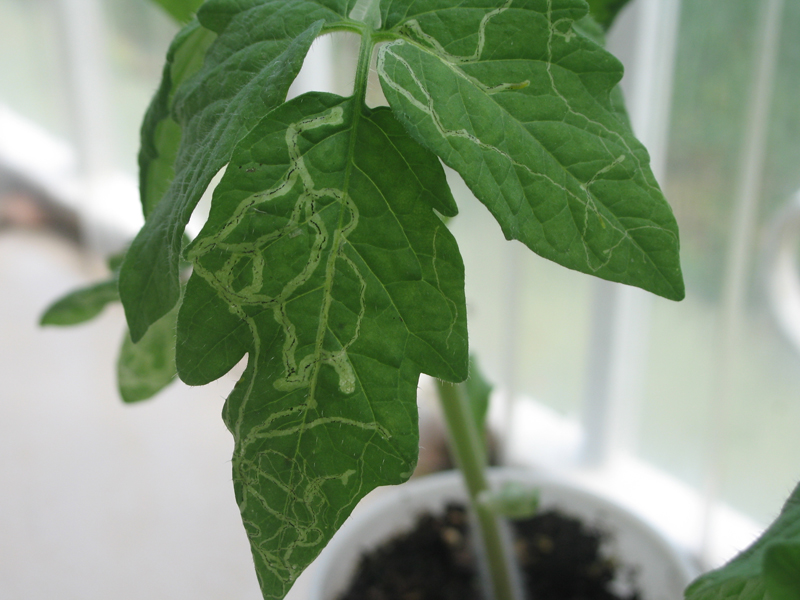
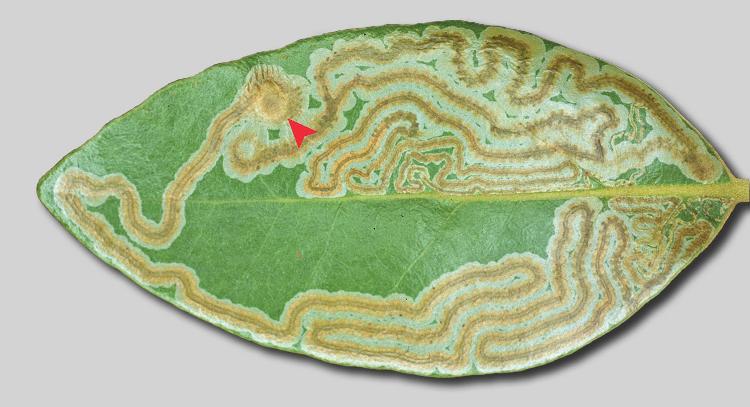
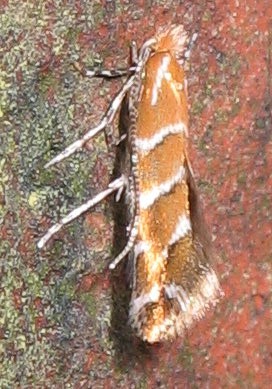
A leaf miner is the immature stage—typically a larva—of an insect that lives between the upper and lower surfaces of a plant leaf and consumes the internal tissues. This habit of feeding within the leaf creates visible mines: narrow winding galleries, blotches, or other distinctive patterns. Leaf miners are found in several insect groups, most commonly among small moths (Lepidoptera), flies (Diptera), sawflies (Symphyta), and in some beetle families. Because the larva is sheltered by the leaf, miners gain protection from many predators and environmental hazards while specializing on particular host plants.
Image gallery
8 Images


Biology and identification
Leaf-mining larvae feed on the softer layers of a leaf rather than on the tougher cellulose-rich tissues. The exact layer mined (for example, palisade or spongy mesophyll) and the shape of the mine can indicate which type of insect is responsible and sometimes the species and its developmental stage. Mines often contain frass (larval droppings); the deposition pattern of frass combined with mine form and host plant identity are important diagnostic features for identifying miners in the field.
Ecological role and plant interactions
Most leaf mining causes cosmetic damage, such as discolored patches and reduced photosynthetic area, but heavy infestations can reduce plant vigor and crop yields in agriculture or horticulture. Plants defend themselves chemically and structurally; for example, many trees produce tannins that deter feeding, and some research indicates that miners selectively feed on leaf regions with lower tannin content. There is also an intriguing hypothesis that naturally occurring leaf variegation can act as a deterrent by mimicking prior damage and dissuading adult insects from laying eggs.
History, study and importance
Leaf miners have been observed and described by naturalists for centuries because their mines are conspicuous and often species-specific. Entomologists use mines as practical evidence for surveying biodiversity, monitoring pest populations, and studying host–herbivore relationships. In forestry and agriculture, certain miner species are important pests that require monitoring and management; in other contexts they are valued as model organisms for ecological and evolutionary research.
Management and notable distinctions
Control approaches depend on the context and include cultural methods (removal of infested leaves), biological control by parasitoid wasps and predators, and targeted chemical treatments when necessary. Leaf miners differ from other internal feeders such as stem borers or wood-boring beetles by the location of feeding (leaf tissue) and by the often highly visible and diagnostic patterns their feeding produces.
Further reading and resources
- General overview of leaf-mining insects
- Taxonomic groups that include leaf miners
- Leaf-mining moths (Lepidoptera)
- Lepidoptera information and resources
- Sawflies and Symphyta
- Overview of wasps and related insects
- Beetles that mine leaves
- Leaf anatomy and cellulose
- Plant tannins and herbivore defense
- Chemical defenses produced by trees
- Using mine patterns for species identification
- Frass patterns and larval instars
- Other types of surface-mining insects
Questions and answers
Q: What is a leaf miner?
A: A leaf miner is the larva of an insect that lives inside a leaf and eats it.
Q: What types of insects are usually leaf miners?
A: Most leaf-mining insects are moths (Lepidoptera), sawflies (Symphyta, a type of wasp), flies (Diptera), and some beetles.
Q: How do leaf miners protect themselves from predators and plant defences?
A: Leaf miners are protected from many predators and plant defences by feeding inside a leaf, eating its tissues.
Q: What do leaf miners eat in a leaf?
A: Leaf miners eat only the layers that have the least cellulose.
Q: What do leaf miners do when attacking Quercus robur?
A: When attacking Quercus robur (English oak), leaf miners feed on tissues with lower levels of tannin.
Q: How can the responsible insect for leaf mining be identified?
A: The pattern of the feeding tunnel and the layer of the leaf being mined shows what insect is responsible, sometimes even to the exact species. The pattern of frass deposition, mine shape, and host plant identity also show the species and instar of the leaf miner.
Q: What has been suggested as a possible reason for some leaf variegation patterns?
A: It has been suggested that some patterns of leaf variegation may be part of a defensive strategy used by plants. It deceives adult leaf miners into thinking that a leaf has already been preyed upon.
Related articles
Author
AlegsaOnline.com Leaf miner Leandro Alegsa
URL: https://en.alegsaonline.com/art/56765
Sources
- jstor.org : Paper linking Quercus species and the leaf miner
- news.bbc.co.uk : "The plant that pretends to be ill"
- link.springer.com : "Leaf variegation in Caladium steudneriifolium (Araceae) – A case of mimicry?"
- doi.org : 10.1007/s10682-008-9248-2