
Leptin: the adipose-derived hormone that regulates appetite and energy balance
Leptin is a hormone produced by fat cells that signals the brain to reduce appetite and adjust energy use. It affects metabolism, reproduction, immunity and is central to understanding obesity and leptin resistance.
Overview: Leptin is a signaling hormone primarily produced by adipose tissue—specialized fat cells—that communicates the status of energy stores to the brain. Circulating leptin levels generally reflect body fat and act on receptors in the hypothalamus, a brain region that integrates signals about hunger, satiety and metabolism to maintain energy homeostasis. By reducing appetite and altering energy expenditure, leptin helps coordinate food intake with energy needs.
Image gallery
7 Images





Mechanism and characteristics
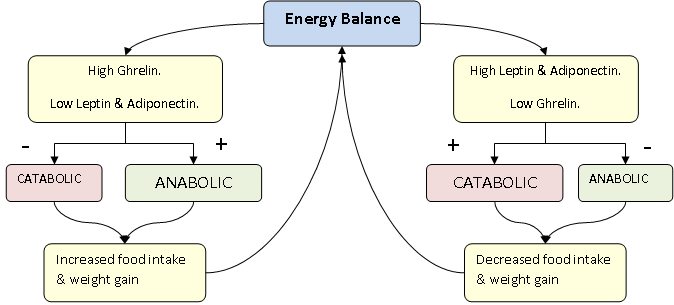
Leptin binds to specific leptin receptors in the hypothalamus and other tissues, activating intracellular pathways that influence neuronal circuits controlling hunger and thermogenesis. It typically decreases appetite and can raise metabolic rate when signaling is effective. Leptin levels rise with increasing fat mass and fall during weight loss or starvation, which can trigger increased hunger and reduced energy expenditure. Leptin works alongside other hormones (for example, ghrelin, which stimulates appetite) and is influenced by factors such as sleep, stress and inflammation; improving sleep and managing stress are associated with healthier leptin signaling, as noted in studies on sleep and stress.
Discovery and historical context
Leptin was identified in the mid-1990s in experiments that traced a gene involved in weight regulation. The discovery—credited to researchers at Rockefeller University—reshaped scientific thinking about body weight by showing that adipose tissue is an active endocrine organ, not just passive fat storage. This insight spurred extensive research into mechanisms of obesity and metabolic disease, topics of growing concern in public health discussions.
Physiological roles beyond appetite
Beyond regulating hunger and energy use, leptin participates in multiple physiological systems. It contributes to reproductive function by signaling adequate energy reserves for fertility, influences immune responses and inflammation, affects bone formation and interacts with glucose metabolism. Many of these roles reflect leptin's ability to inform diverse tissues whether energy availability is sufficient for growth, immune activity or reproduction.
Clinical significance and examples
One major clinical issue is leptin resistance: in many people with increased body fat, high circulating leptin does not produce the expected appetite suppression, contributing to the persistence of obesity and making weight loss difficult. Conversely, rare congenital leptin deficiency causes severe early-onset obesity that can be treated with leptin replacement. Because most obesity involves resistance rather than absence of leptin, strategies aimed at restoring leptin sensitivity or targeting downstream pathways remain areas of active research. Measurement of leptin can help in specific diagnostic contexts, but routine testing is not commonly used for general weight management.
Notable facts and distinctions
- Leptin signals the amount of stored energy, but body weight depends on both leptin levels and how sensitive the brain is to that signal.
- Weight loss lowers leptin, which often increases hunger and lowers energy expenditure; this biological drive helps explain why maintaining weight loss is challenging.
- Research continues into leptin's nonmetabolic roles and therapeutic potential. While leptin replacement helps rare genetic deficiencies, treating common obesity by giving leptin has not been broadly effective because of leptin resistance.
- Public and scientific interest in leptin accelerated studies into how lifestyle factors—such as sleep, stress and diet—modify hormonal regulation of appetite and metabolism.
- For introductions to hormone biology or related topics see general resources on hormones and energy balance; for clinical context consult specialist sources on obesity and metabolic disease.
For more detailed reviews and current research directions, readers may consult primary scientific literature and summaries hosted by academic and medical institutions linked to research centers such as Rockefeller University and public health organizations addressing population-level metabolic disorders.
Related articles
Author
AlegsaOnline.com Leptin: the adipose-derived hormone that regulates appetite and energy balance Leandro Alegsa
URL: https://en.alegsaonline.com/art/57278