
Leishmania — parasitic protozoa that cause leishmaniasis
Leishmania is a genus of single-celled parasitic protozoa transmitted by sandflies. It causes cutaneous, mucocutaneous and visceral leishmaniasis and affects millions across many countries.
Overview
Leishmania is a genus of single-celled parasites that produce a spectrum of illnesses collectively known as leishmaniasis. These organisms are trypanosomatid protists classified within the Euglenozoa phylum. Members of Leishmania infect vertebrate hosts and rely on blood-feeding sandflies for transmission.
Image gallery
3 Images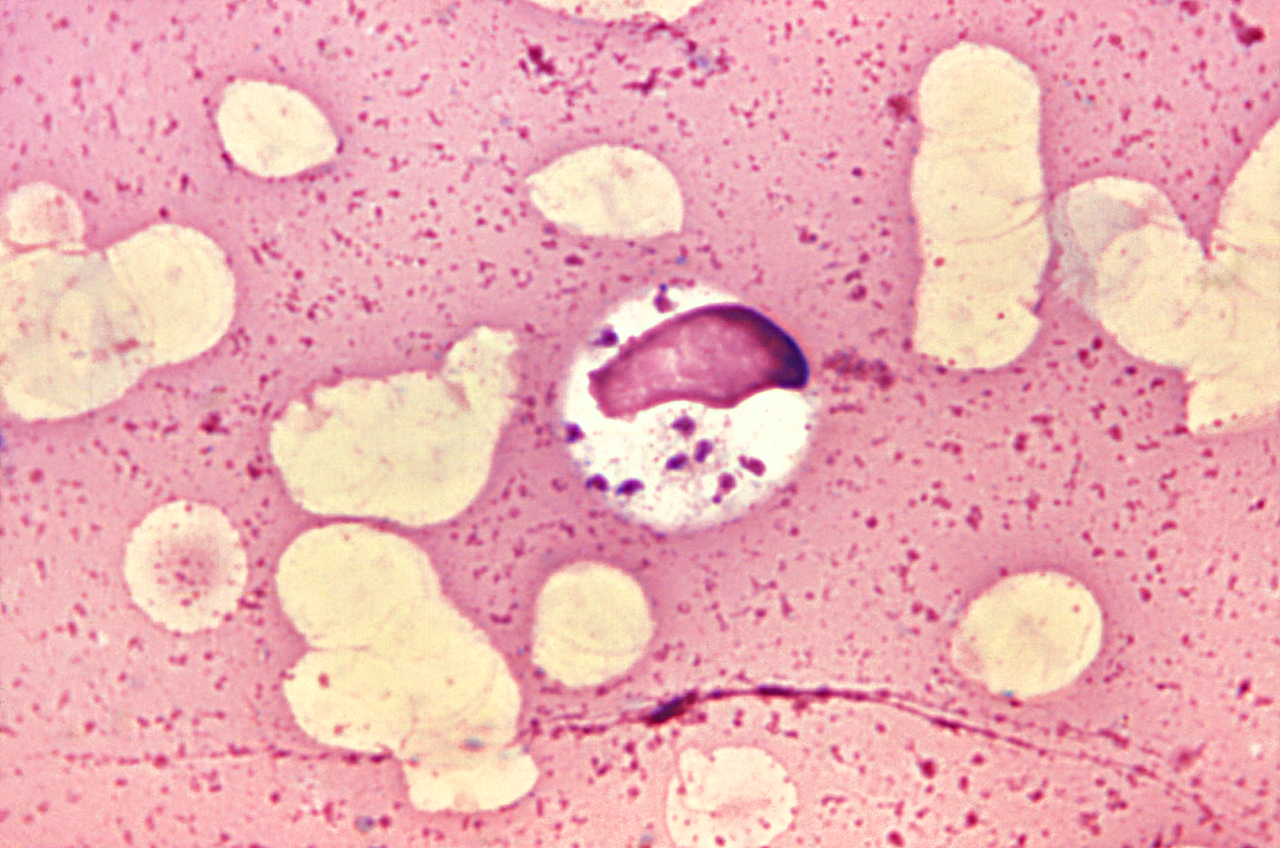


Biology and life cycle
Leishmania alternate between a flagellated promastigote form that develops inside phlebotomine sandflies and a rounded intracellular amastigote that multiplies within host phagocytic cells. Transmission to vertebrates occurs when infected sandflies—typically Phlebotomus species in the Old World and Lutzomyia species in the New World—inject parasites during a blood meal. Natural reservoir animals include rodents, canids and other mammals such as hyraxes.
Clinical presentations and public health impact
Human disease ranges from localized skin sores (cutaneous leishmaniasis) to destructive mucosal disease and to visceral leishmaniasis, which affects internal organs and can be fatal if untreated. Leishmaniasis is endemic in many tropical and subtropical regions and currently affects an estimated 12 million people across dozens of countries, creating ongoing public health and clinical challenges.
Diagnosis, treatment and prevention
Laboratory diagnosis uses microscopy, culture, serology and molecular assays such as PCR to detect parasites or their genetic material. Treatment choices depend on species, disease form and severity; options commonly used in practice include pentavalent antimonials, amphotericin formulations and other agents under medical supervision. Preventive measures focus on vector control (insecticide spraying, bed nets), reducing reservoir exposure, early case detection and community education.
History, research and distinctions
The genus was named in the early 20th century after William Boog Leishman. Contemporary research emphasizes vaccine development, improved, rapid diagnostics, new drug candidates and molecular methods to distinguish species and strains. Species-level differences are important because they influence disease pattern, prognosis and treatment response.
Key points
- Leishmania are protozoan parasites transmitted by sandflies.
- They cause cutaneous, mucocutaneous and visceral forms of disease.
- Reservoirs include wild and domestic mammals; transmission involves Phlebotomus and Lutzomyia sandflies.
- Control requires combined clinical care, vector management and public-health measures.
Questions and answers
Q: What is Leishmania?
A: Leishmania is a protist organism that causes Leishmaniasis.
Q: What phylum does Leishmania belong to?
A: Leishmania belongs to the Euglenozoa phylum.
Q: How is Leishmania spread?
A: Leishmania is spread by sandflies of the genus Phlebotomus in the Old World, and of the genus Lutzomyia in the New World.
Q: What are the primary hosts of Leishmania?
A: The primary hosts of Leishmania are vertebrates, including hyraxes, canids, rodents, and humans.
Q: How many people are currently affected by Leishmania?
A: Leishmania currently affects 12 million people in 98 countries.
Q: Who was Leishmania named after?
A: Leishmania was named after the Scottish pathologist William Boog Leishman.
Q: What disease does Leishmania cause?
A: Leishmania causes Leishmaniasis.
Related articles
Author
AlegsaOnline.com Leishmania — parasitic protozoa that cause leishmaniasis Leandro Alegsa
URL: https://en.alegsaonline.com/art/57062