
Leuconostoc: ecology, characteristics, food uses and clinical importance
Leuconostoc is a genus of Gram‑positive lactic acid bacteria involved in food fermentations and occasional opportunistic human infection. This article summarizes biology, uses, and diagnostic issues.
Overview
Leuconostoc is a genus of Gram‑positive, catalase‑negative lactic acid bacteria commonly associated with food fermentations and environmental niches. Members of this group are heterofermentative: they produce lactic acid, carbon dioxide and other metabolites that influence texture and flavor. While generally regarded as non‑pathogenic in healthy people, certain species can act as opportunistic pathogens in medical settings.
Image gallery
1 Image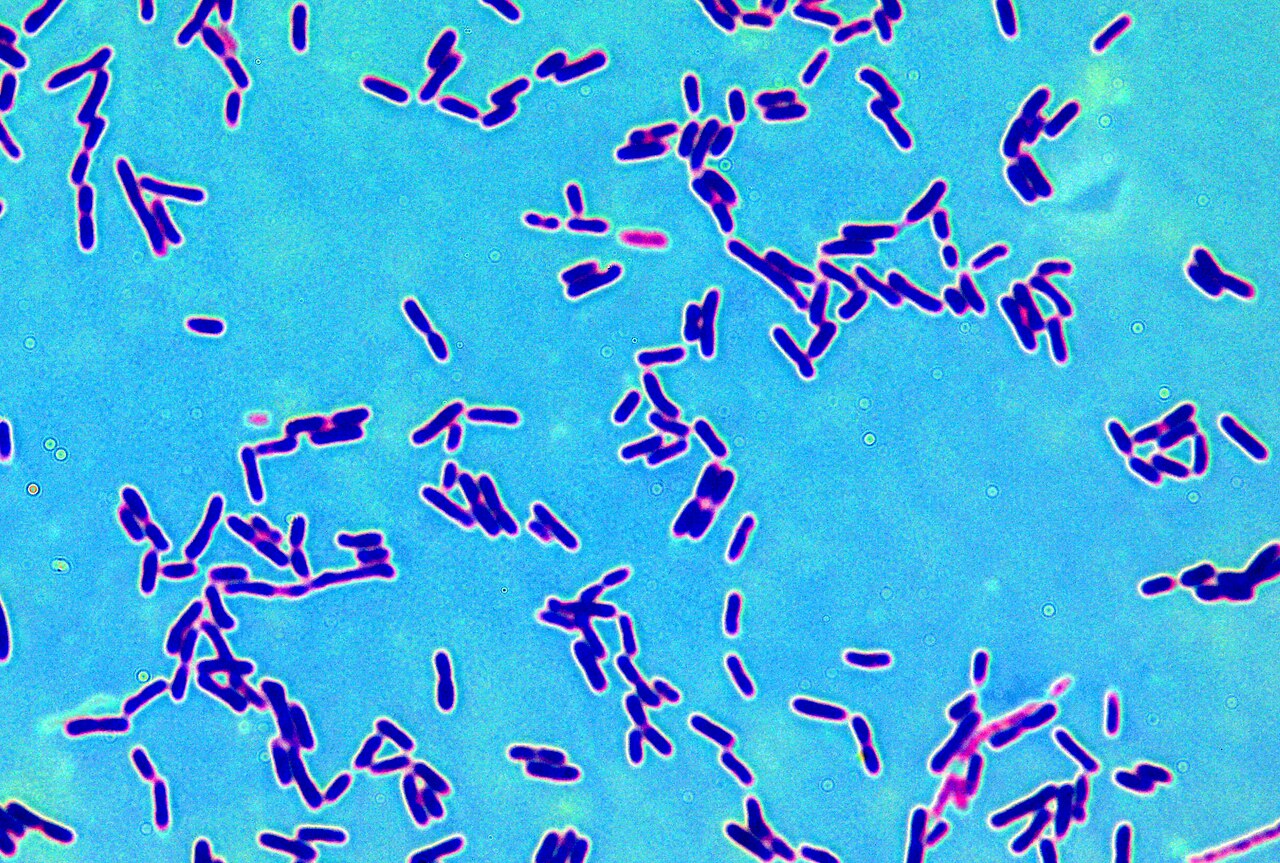
Characteristics and taxonomy
Leuconostoc species are ovoid to coccoid cells that may appear singly, in pairs or short chains. They ferment sugars via the pentose phosphate pathway and generate multiple end products, which distinguishes them from strictly homofermentative lactic acid bacteria. A well‑known species is Leuconostoc mesenteroides, which is often cited in food microbiology. Because they are Gram‑positive and lack catalase, Leuconostoc are routinely grouped with other lactic acid bacteria and can be confused with related genera in routine testing (Gram‑positive bacteria).
Ecology, history and food uses
These bacteria are widespread in plants, dairy environments and fermented foods. Leuconostoc contributes to traditional fermentations such as sourdough, kimchi, sauerkraut, some cheeses and butter production, where gas and flavor compounds (for example diacetyl) are valuable. Historically they have been recognized by food microbiologists both for desirable fermentation roles and, occasionally, as spoilage organisms when gas production or off‑flavors occur. For general information on their presence in food products see food product resources.
Clinical relevance
In clinical practice Leuconostoc is an uncommon human pathogen. When infections occur, they are usually opportunistic and associated with specific risk factors:
- compromised immunity or underlying illness
- recent or prolonged antibiotic exposure (antibiotic pressure)
- presence of indwelling devices such as catheters or prosthetic material
Notably, many Leuconostoc strains show intrinsic resistance to vancomycin, which has diagnostic and therapeutic implications. For clinical categorization and guidance consult literature on emerging pathogens and clinical pathogen summaries.
Laboratory identification and challenges
Identification in the laboratory can be accomplished with biochemical panels, matrix‑assisted laser desorption ionization–time of flight (MALDI‑TOF) mass spectrometry and molecular methods such as 16S rRNA sequencing. However, common commercial systems may misidentify isolates at the species level or confuse Leuconostoc with other Gram‑positive cocci. Accurate results depend on appropriate phenotypic tests and, when necessary, confirmatory molecular assays. For diagnostic approaches see laboratory methods and resources on bacterial identification.
Notable distinctions and practical points
Key distinctions that help separate Leuconostoc from related genera include heterofermentative metabolism, gas production from glucose, and certain carbohydrate fermentation patterns. In food microbiology they are valued for flavor and leavening roles; in medicine they remain rare but important opportunists whose intrinsic antimicrobial resistance profiles require attention. For further reading and reference materials, consult curated databases and reviews maintained by public health and food safety organizations (Gram‑positive bacteria, food product resources).
Related articles
Author
AlegsaOnline.com Leuconostoc: ecology, characteristics, food uses and clinical importance Leandro Alegsa
URL: https://en.alegsaonline.com/art/57525