
Wasps: biology, diversity, ecology, and human interactions
Wasps are a diverse group of Hymenoptera, ranging from solitary parasitoids to social Vespidae. This article covers their biology, life cycles, ecological roles and use in biological pest control.
Overview
Wasps are members of the insect order Hymenoptera and appear in many shapes and lifestyles, from solitary hunters to highly organized social colonies. They share this order with ants, bees and sawflies, yet their behavior and roles in ecosystems are distinct. Some familiar garden and urban species belong to social families such as Vespidae, which include common yellowjackets and hornets (Vespa), while the majority of wasp diversity consists of small, often unseen species that act as parasites or parasitoids.
Image gallery
10 Images




Characteristics and anatomy
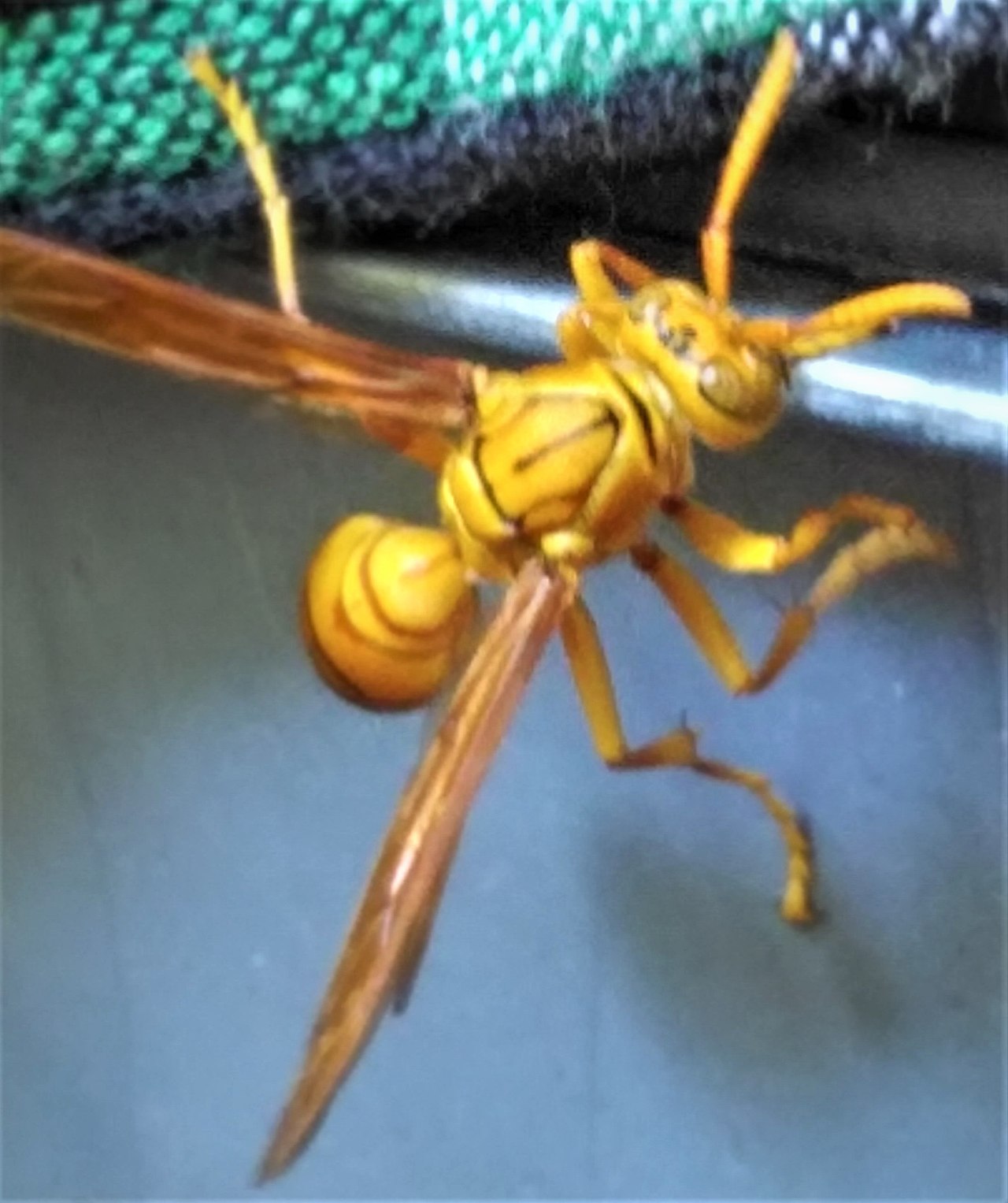
Typical wasp anatomy includes a head with compound eyes and chewing mouthparts, a thorax bearing three pairs of legs and usually two pairs of wings, and a narrow waist (petiole) linking thorax and abdomen in many species. Females often have an ovipositor that may be modified into a sting used for defense or subduing prey. Many wasps show strong sexual dimorphism and caste variation in social species.
Life cycles and behavior
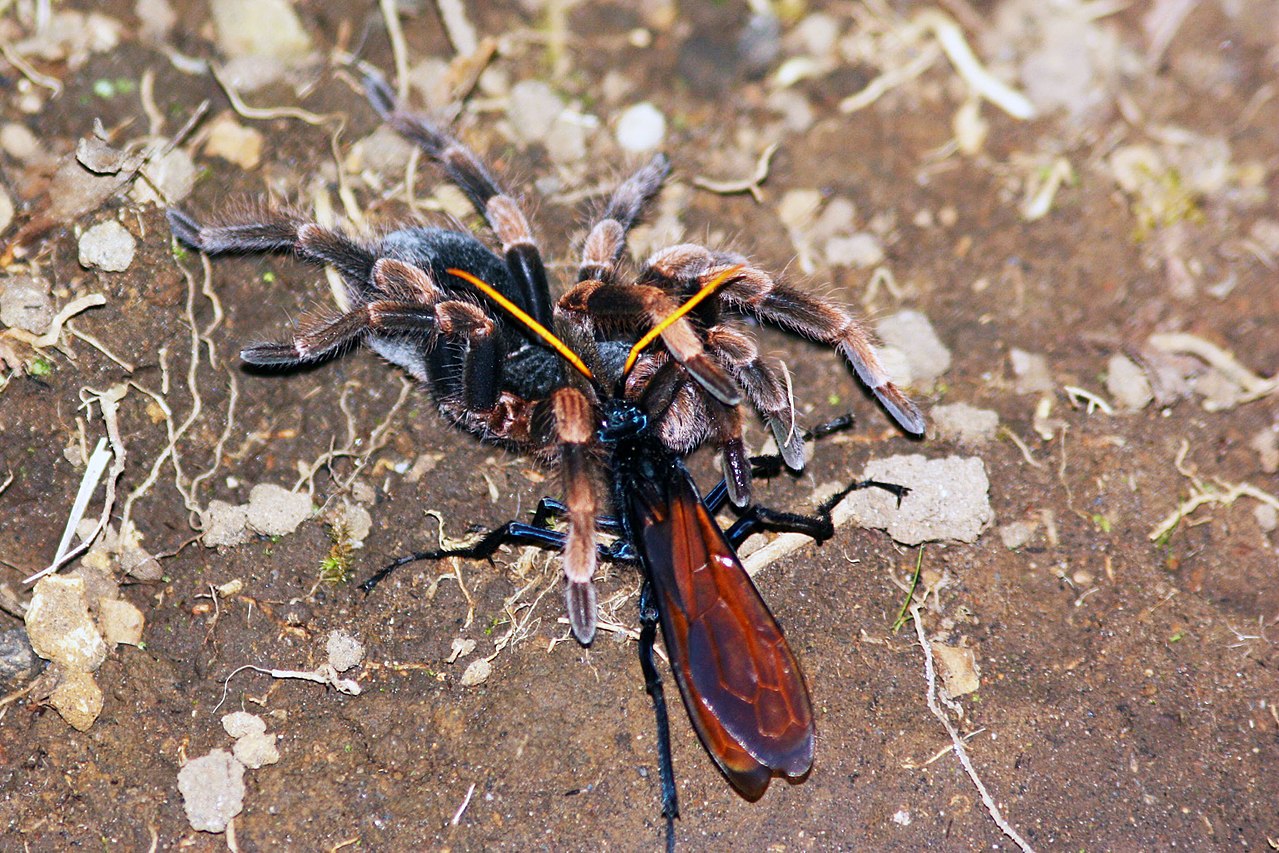
Wasps display a range of life histories. Social vespids build nests, raise brood cooperatively and have castes such as workers and queens. In contrast, many solitary wasps hunt or provision nests with prey for a single offspring. A very large portion of wasp diversity consists of species that are parasitoids—they lay eggs on or inside other arthropods so their larvae develop by consuming the host. These parasitic lifestyles influence population dynamics of other insects and drive complex host–parasite relationships.
Ecological role and human importance
Wasps perform several important ecological functions. Predatory and parasitoid wasps control populations of herbivorous insects and are natural agents of biological pest suppression. Almost every agricultural pest has at least one natural wasp enemy, so these insects are increasingly used in targeted pest control programs and integrated pest management. Social wasps can pollinate flowers opportunistically and act as scavengers, while some species are considered nuisance pests where they nest near human activity.
Diversity, classification and notable facts
Estimates of wasp diversity run into many tens of thousands of species worldwide, with the family Vespidae containing roughly several thousand named species. Much of that diversity comes from tiny parasitoid families that are important in regulating other insect populations. Key points include:
- Varied life strategies: solitary hunters, social colony builders, and parasitoids.
- Biological control: many species prey on or parasitize pest insects and are valuable in agriculture.
- Human interactions: beneficial for pest suppression but sometimes harmful when they sting or nest in developed areas.
Further reading and resources
To explore classification, natural history and practical uses of wasps, follow general references on the order Hymenoptera and specialized resources on social Vespidae and parasitoid wasps. For introductions aimed at gardeners and farmers, look up guides to identifying wasp species and materials describing integrated pest control strategies. Scientific and extension materials also discuss the role of parasitic and parasitoid wasps in managing agricultural pest outbreaks, and regionally focused keys can help distinguish hornets and other vespids from similar insects.
Questions and answers
Q: What is the order Hymenoptera?
A: The order Hymenoptera includes wasps, ants, bees and sawflies.
Q: What is the family name of common or garden wasps and hornets?
A: The family name of common or garden wasps and hornets is Vespidae.
Q: How many species are there in the Vespidae family?
A: There are about 5000 species in the Vespidae family.
Q: What is the role of parasitic wasps?
A: Parasitic wasps lay their eggs in the caterpillars of other insect species, and they are important in the natural control of pest numbers (biocontrol).
Q: How many wasp species are parasitic?
A: The greater number of wasp species (over 100,000) are parasitic.
Q: What is the benefit of parasitic wasps in agricultural pest control?
A: Parasitic wasps are increasingly used in agricultural pest control because they mostly prey on pest insects and have little impact on crops.
Q: Do all pest species have at least one wasp species that preys upon them?
A: Yes, almost every pest insect species has at least one wasp species that preys upon it or parasitizes it.
Related articles
Author
AlegsaOnline.com Wasps: biology, diversity, ecology, and human interactions Leandro Alegsa
URL: https://en.alegsaonline.com/art/106744
Sources
- britannica.com : "wasp (insect) -- Britannica Online Encyclopedia"