
Lepidoptera: butterflies, moths and skippers
Lepidoptera is the insect order of butterflies, moths and skippers. Characterized by scaled wings and complete metamorphosis, it includes a vast diversity with major ecological and cultural roles.
Lepidoptera is the large insect order that contains the familiar moths and butterflies, together with the smaller group known as skippers. In everyday language people usually refer to members of this group simply as "butterflies and moths." Scientists recognize more than 180,000 species distributed among roughly 128 families and dozens of superfamilies, making Lepidoptera one of the most diverse orders of insects. Only the beetles, Coleoptera (beetles), are known to contain more described species.
Image gallery
10 Images




Distinctive features and life cycle
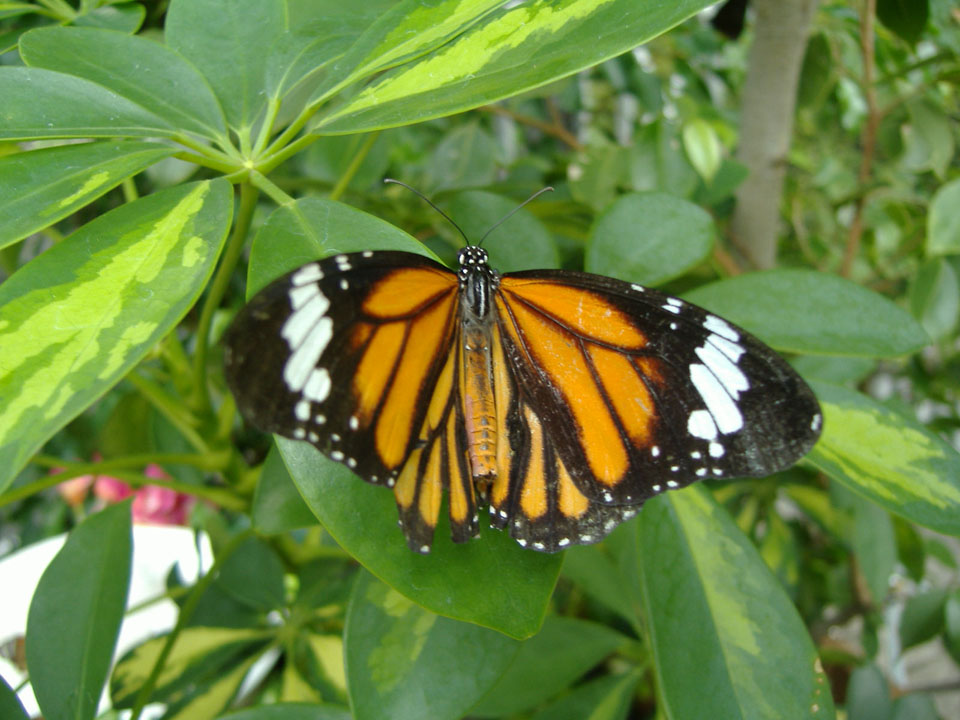
Members of Lepidoptera are best known for wings covered with microscopic scales that give rise to vivid colors and patterns. Adults typically have a coiled proboscis adapted for sipping nectar or other liquids, a pair of compound eyes, and two antennae that can take various forms (clubbed in most butterflies, diverse in moths). All lepidopterans undergo complete metamorphosis:
- Egg – tiny, often laid on host plants.
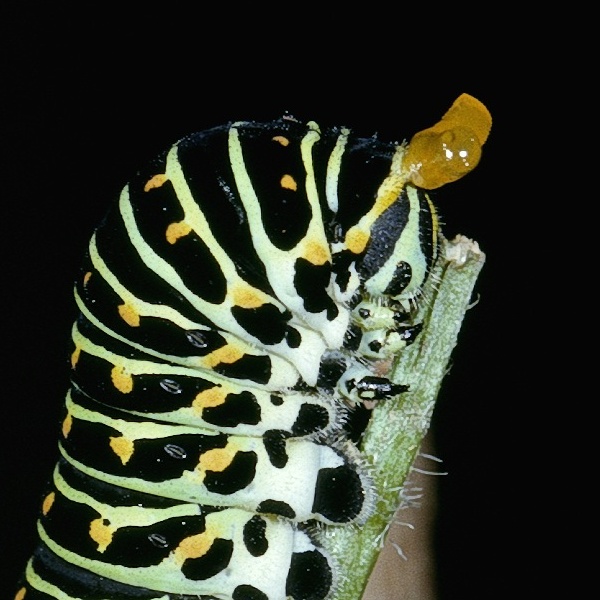
- Larva (caterpillar) – the feeding stage, often specialized to particular plant species and equipped with chewing mouthparts.
- Pupa – a resting and reorganizing stage, in Lepidoptera a chrysalis or cocoon.
- Adult – reproductive stage, often winged and mobile.
Origins and evolutionary history
The name "Lepidoptera" derives from ancient Greek words meaning "scale" and "wing," a reference to the defining scale-covered wings. Fossil evidence indicates that lepidopterans appeared many millions of years ago; some fossils are dated to about 200 million years or earlier, suggesting an origin that predates the widespread rise of flowering plants. Early members of the group likely interacted with pre-angiosperm plants such as cycads and conifers before later coevolutionary relationships developed with angiosperms (flowering plants).
Ecological roles and human significance
Lepidoptera play multiple ecological roles: adults can pollinate flowers while feeding, larvae act as primary consumers on a wide range of plants, and both stages serve as prey for birds, bats and other predators. Some species are agriculturally important pests, while others are valued for silk production (notably the domesticated silkworm) or as indicators of habitat quality. Butterflies, in particular, have cultural and aesthetic significance and are often used in education and conservation outreach.
Major groups, distinctions and notable facts
Within Lepidoptera, traditional distinctions separate moths and butterflies, though this division is not a strict scientific grouping: butterflies typically fly by day and have clubbed antennae, while many moths are nocturnal and show a wider variety of antenna shapes. Skippers (family Hesperiidae) are small, stout-bodied insects that share traits with both groups. The order contains great diversity in size, form and life-history strategies, from tiny micromoths to large tropical species. As a whole, Lepidoptera exemplify how insect diversity can shape ecosystems and human culture.
For further general reading, taxonomic resources and species lists are available through specialist databases and field guides; see the linked resources for introductory overviews and deeper taxonomic treatments. Order overview, species totals and family breakdowns at family-level resources provide starting points for more detailed study.
Questions and answers
Q: What is the order Lepidoptera?
A: The order Lepidoptera is the second biggest order of insects, which includes moths and butterflies including skippers.
Q: How many species are included in the order Lepidoptera?
A: The order Lepidoptera has more than 180,000 species in 128 families and 47 superfamilies.
Q: What is the meaning of the name Lepidoptera?
A: The name Lepidoptera comes from the Ancient Greek words λεπίδος (scale) and πτερόν (wing).
Q: Is the order Lepidoptera the largest group of species?
A: No, the order Lepidoptera is the second biggest order of species. The Coleoptera (the beetles) is the only order that has more species.
Q: When did the earliest discovered Lepidoptera fossils date back to?
A: The earliest discovered Lepidoptera fossils date to 200 mya or earlier.
Q: Were earlier butterflies adapted to flowering plants habitat?
A: No, earlier butterflies must have been adapted to a habitat of cycads and conifers, something which had not previously been suspected.
Q: Is there any common word for the group of moths and butterflies?
A: No, there is no common word for the group. Ordinary people talk of "butterflies and moths".
Related articles
Author
AlegsaOnline.com Lepidoptera: butterflies, moths and skippers Leandro Alegsa
URL: https://en.alegsaonline.com/art/57265