
Lasagna: composition, history, preparation and variations
Lasagna is a layered Italian pasta dish of broad flat sheets baked with sauces, cheeses, meats or vegetables. Its forms vary regionally and include meat ragù, béchamel, vegetarian and modern adaptations.
Overview
Lasagna (singular: lasagna; plural in Italian: lasagne) is a baked dish made from wide, flat pasta sheets layered with sauces, cheese and other fillings. The word and some pronunciations vary by region; see the contemporary UK pronunciation as noted here. The pasta used is a form of pasta distinct for its broad, rectangular shape and ability to form sturdy layers when cooked and assembled.
Image gallery
6 Images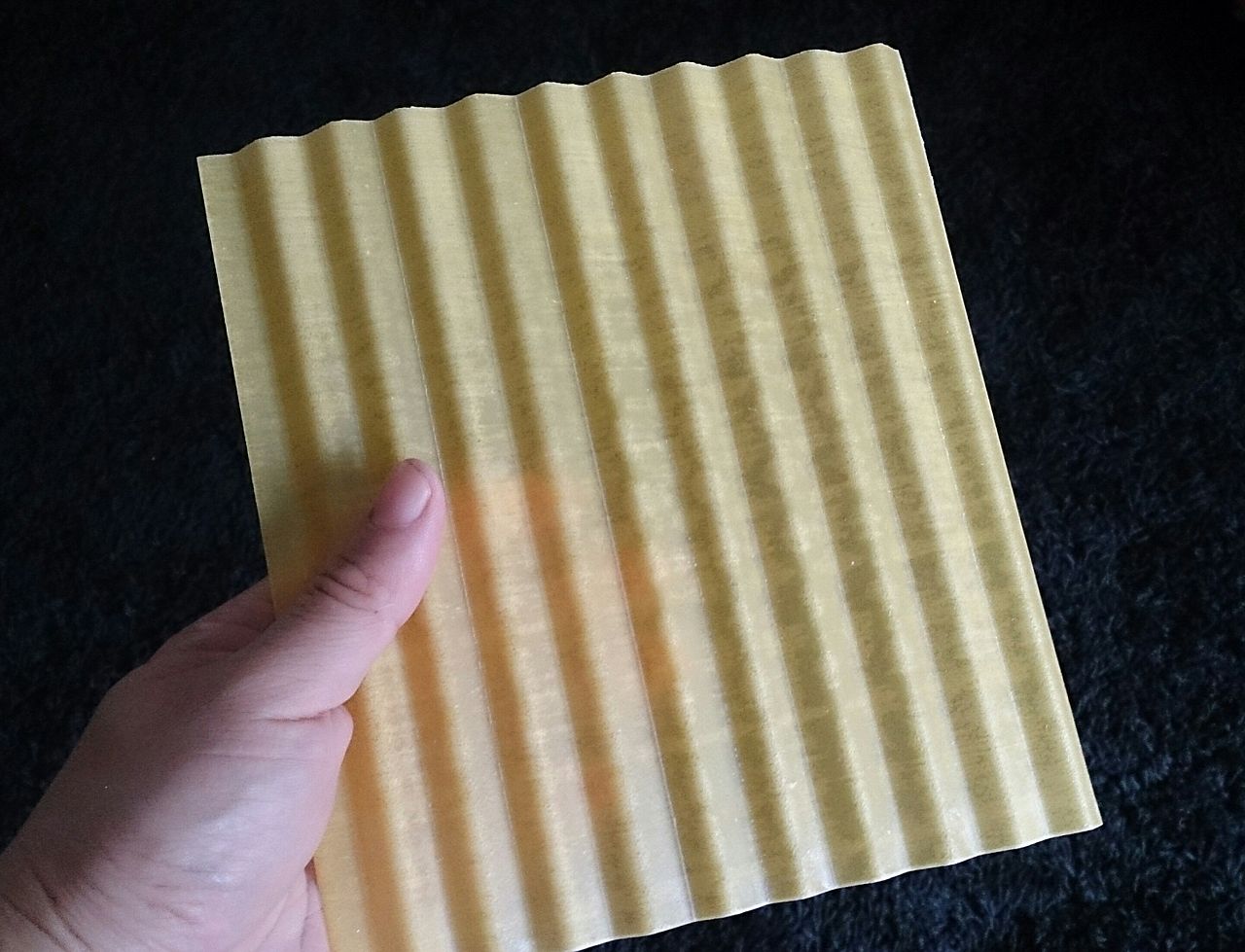


Typical ingredients and structure
At its core, lasagna alternates layers of pasta with one or more of these elements: a meat component or vegetable substitute, a sauce, and cheese. Common components include:
- Meat: ground or slow-cooked meats often prepared as a ragù; for reference see general notes on meat.
- Sauces: tomato-based ragùs or lighter sauces; general sauce information is linked here.
- Vegetables: spinach, eggplant, zucchini and other fillings for vegetarian versions (vegetables).
- Cheeses: blends often use grated and soft cheeses; common choices include a general cheese category (cheese), ricotta (ricotta) and grated hard cheese such as Parmesan (parmesan).
- Seasonings: aromatics like garlic, and herbs such as oregano and basil.
History and development
Lasagna has roots in Italian culinary traditions where layered pasta preparations evolved from medieval and Renaissance techniques. Regional recipes differ: northern versions more often feature béchamel or rich ragùs, while southern variants emphasize tomato and local cheeses. Over time lasagna spread internationally and adapted to local tastes, resulting in numerous accepted variations.
Preparation, variations and serving
Preparation usually involves pre-cooking or using no-boil sheets, assembling alternating layers in a baking dish, and baking until set and browned. Variants include classic meat lasagna, vegetarian lasagna with grilled vegetables and cheese, seafood versions, and quick stovetop or sheet-pan adaptations. Some recipes use béchamel sauce in place of, or alongside, ricotta to add creaminess.
Significance and distinctions
Lasagna is both a home-cooked comfort food and a staple in restaurants. Key distinctions to note include regional ingredient choices, the use of fresh versus dried pasta sheets, and the layering technique, which affects texture and moisture. The dish remains a flexible canvas for local ingredients and dietary preferences, from traditional ragù-and-cheese assemblies to modern gluten-free or plant-based variants.
Related articles
Author
AlegsaOnline.com Lasagna: composition, history, preparation and variations Leandro Alegsa
URL: https://en.alegsaonline.com/art/56120
Sources
- merriam-webster.com : "Lasagna"
- baltimoresun.com : baltimoresun.com/news/bs-xpm-1993-05-19-1993139191-story.html