
Ricotta: Italian Fresh Whey Cheese — Overview, Production, Uses
Ricotta is a soft, white Italian whey cheese made from the leftover whey of milk. This article explains how it is made, its varieties, culinary uses, history and nutritional role in cooking.
Overview
Ricotta is a fresh, soft cheese traditionally associated with Italian cuisine. Unlike cheeses made directly from pressed curds, ricotta is typically produced from the whey — the watery liquid that remains after milk has been curdled and the curds removed — which is reheated to extract remaining proteins. The result is a grainy, milky-white cheese with a mild, slightly sweet flavor and a creamy yet slightly dry texture.
Image gallery
4 Images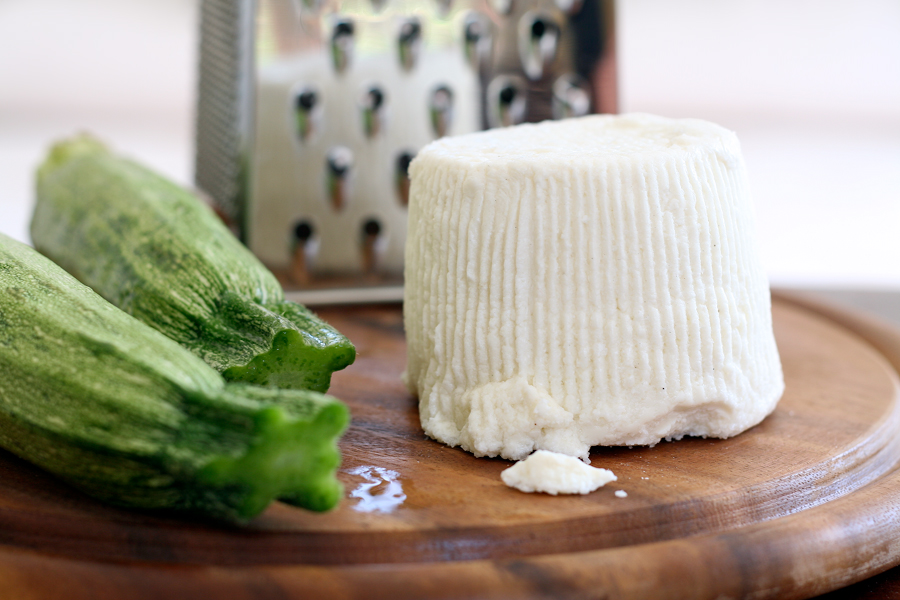


Production and characteristics
The basic process begins with whey, often derived from cow, sheep or goat milk. Whey is a byproduct of making other cheeses; when it is gently heated and acidified, fine protein solids coagulate and are skimmed away to form ricotta. This distinguishes ricotta from cheeses formed from initial curds. Typical sensory characteristics include a soft crumbly structure, delicate aroma, and a clean dairy taste. A more compact, salt-cured variant known as ricotta salata is pressed and aged to a firmer consistency.
History and development
Ricotta has deep roots in Italy and in regions of Mediterranean cheesemaking where whey recycling was practical and economical. The technique of reusing whey to extract remaining proteins likely developed as a way to reduce waste and increase yield from milk. Over centuries it became integrated into regional foodways and both everyday and festive recipes.
Culinary uses and examples
Ricotta is highly versatile in both sweet and savory dishes. It is commonly folded into pasta fillings, layered in baked dishes, or used fresh as a table cheese. Examples include filling for ravioli and cannoli, the creamy component in some cheesecakes, and a common addition to lasagna and other baked pastas. It also appears in simple spreads and desserts.
- Sweet preparations: Italian desserts, cheesecake, pastries
- Savoury uses: pasta fillings, toppings, mixed into sauces
- Fresh presentations: spread on bread or drizzled with olive oil and salt
Nutritional aspects and types
As a dairy product, ricotta contains water-soluble milk proteins and modest amounts of fat and lactose. Because it is made from whey proteins, ricotta can be a good source of high-quality protein relative to its soft texture. Varieties range from fresh, soft ricotta to pressed and salted ricotta salata; composition and mouthfeel vary with the source milk (cow, sheep, goat) and processing choices.
Distinctions and practical notes
Ricotta differs from curd cheeses in origin and method: it is a whey cheese produced after the primary curds have been removed. When choosing ricotta for cooking, consider moisture content — drier ricotta works better in fillings and baked dishes, while creamier types are suited to spreads and desserts. For more general context about dairy and whey, consult introductions to whey, watery liquids, curds, and broader cheese topics. Ricotta remains a staple ingredient in many kitchens and illustrates a resourceful approach to traditional cheesemaking, transforming a byproduct into a valued food.
Dairy product information and regional recipes can provide further guidance for preparation and storage.
Related articles
Author
AlegsaOnline.com Ricotta: Italian Fresh Whey Cheese — Overview, Production, Uses Leandro Alegsa
URL: https://en.alegsaonline.com/art/82816
Sources
- commons.wikimedia.org : Ricotta