
Oregano (Origanum vulgare)
A perennial herb of the genus Origanum, native to the Mediterranean and Eurasia, widely used in cooking, traditional remedies, and horticulture; known for aromatic leaves and small purple flowers.
Oregano is the common name for Origanum vulgare, a perennial herb valued for its aromatic leaves and culinary uses. Often called wild marjoram or pot marjoram, it belongs to the Lamiaceae (mint) family and is closely related to other culinary herbs in the genus. Garden varieties and wild forms vary in flavor intensity, color and growth habit.
Image gallery
9 Images


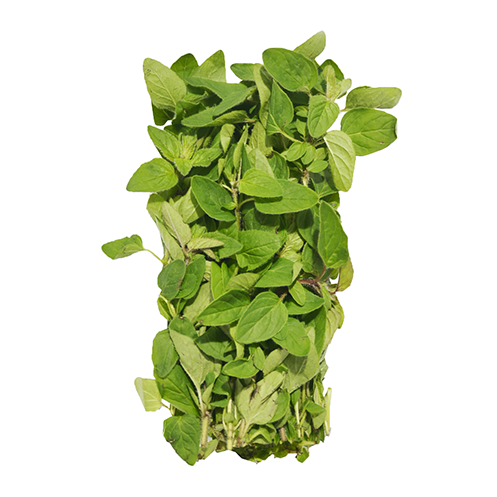
Description
Origanum vulgare typically grows as a low, bushy plant, with stems reaching roughly 20–80 cm in height. The opposite leaves are small and ovate, commonly about 1–4 cm long, and have a strong, pungent aroma when crushed. Clusters of tiny tubular flowers, frequently purple or pink, appear at stem tips in summer and attract pollinators. For more on the plant's flowers see flower characteristics.
Origin, name and taxonomy
Oregano is native to the Mediterranean basin, southern and central Europe and parts of Asia. Its name derives from the Greek origanon, from oros (mountain) and a verb meaning to delight in, reflecting its wild mountain habitats and pleasing scent. For taxonomic context within the genus, consult genus resources and broader references on Origanum.
Uses and importance
Oregano is a staple herb in Mediterranean and Middle Eastern cuisines, commonly used fresh or dried to flavor dishes such as sauces, grilled meats and vegetables. Dried leaves are more concentrated in aroma than fresh. Beyond cooking, oregano has been used in traditional herbal practice and as a source of essential oils valued for their aromatic compounds. Practical guidance and usage notes can be found at culinary and herbal resources.
Cultivation and care
Gardeners prize oregano for its ease of cultivation: it prefers full sun, well‑drained soil and tolerates periods of drought. It can be propagated from seed, stem cuttings or by division. Harvesting before or during early flowering preserves the best flavor; leaves may be used fresh or dried for later use. Practical growing tips are available via horticulture guides.
Distinctions and notable facts
Oregano is often confused with Origanum majorana (sweet marjoram), but the latter has a milder, sweeter aroma. Various regional species and cultivars of Origanum produce noticeably different flavors and aromas, influencing their culinary uses. For comparisons and identification keys see regional flora and additional reference material at botanical notes.
Questions and answers
Q: What is Oregano?
A: Oregano is a species of Origanum and a perennial herb.
Q: Where is Oregano native to?
A: Oregano is native to Europe, the Mediterranean region, and southern and central Asia.
Q: How tall can Oregano grow?
A: Oregano can grow to 20-80 cm tall.
Q: What do the leaves of Oregano look like?
A: The leaves of Oregano are opposite each other and are 1-4 cm long.
Q: What color are the flowers of Oregano?
A: The flowers of Oregano are purple and can grow 3-4 mm long.
Q: Why is the plant named Oregano?
A: The name of the plant comes from the Greek origanon [ὀρίγανον]: oros [ὄρος] “mountain” and the verb ganousthai [γανοῦσθαι] “delight in”.
Q: What is another name for Oregano?
A: Another name for Oregano is pot marjoram.
Related articles
Author
AlegsaOnline.com Oregano (Origanum vulgare) Leandro Alegsa
URL: https://en.alegsaonline.com/art/73058