
Lemonade: definition, types, recipes, cultural uses, and variations
Lemonade is a beverage of lemon juice, water and sweetener. This article explains cloudy and clear styles, common recipes, regional names, variants like pink or sparkling lemonade, and cultural notes.
Lemonade is a simple beverage made from fresh citrus juice, sweetener and water. At its most basic it combines lemon juice with water and a sweetening agent such as sugar or honey. Fresh lemons are most often used, though lime or lemon‑lime hybrids may substitute in some recipes. The drink appears worldwide in both homemade and commercially produced forms and ranges from a flat, pulpy refreshment to a clear, carbonated soft drink.
Image gallery
10 Images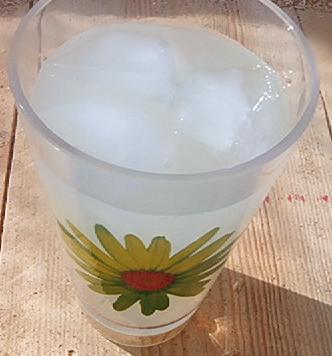


Main types
- Cloudy lemonade: A noncarbonated mix of fresh lemon juice, water and sweetener. This home‑style version is common in North America (North America) and India (India), and often retains pulp and small pieces of fruit.
- Clear or sparkling lemonade: A fizzy, lemon or lemon‑lime flavored soft drink. This style is widely sold in the United Kingdom (United Kingdom), Ireland (Ireland), Australia (Australia) and New Zealand (New Zealand), and in some Swiss (Switzerland) markets; it is typically carbonated and clear rather than pulpy.
- Lemon‑lime and hybrid sodas: Soft drinks that blend lemon and lime flavors are sometimes marketed under the lemonade name in certain countries; these are closely related to lemon‑lime sodas (lemon‑lime).
Because the word "lemonade" covers distinct products in different places, it is useful to describe which style is meant: homemade, flat, tart lemonade or commercial, fizzy lemonade. Street vendors and markets in parts of India offer regional variants such as nimbu paani or shikanji, often served with spices and salt.
Typical ingredients and a basic recipe
Common components include the juice of fresh lemons, cold water, and a sweetener. Optional additions include sliced fruit, herbs, or spices. A simple homemade batch can be prepared as follows:
- Juice several lemons (for about 6–8 cups of finished lemonade use the juice of 6–8 lemons).
- Combine the juice with 1/2 cup to 3/4 cup of sugar (or a preferred sweetener).
- Add about 4–5 cups of cold water, taste and adjust sweetness or dilution.
- Serve over ice and garnish with lemon slices; some recipes stir in a diced lemon or lime for extra texture.
Sweeteners can be swapped: maple syrup, honey, or light simple syrups are common alternatives depending on flavor preference.
Variations broaden the basic formula. Pink lemonade is colored and flavored with a small amount of red juice such as grenadine or beverage‑grade fruit concentrates, which also lends a sweeter note. Some boutique or imported brands produce lightly carbonated, bottled traditional lemonades (for example French artisanal styles) that blend the clarity of a soda with delicate lemon flavor.
Commercial production often standardizes sweetness and acidity and may use concentrates, natural flavor extracts and carbonation. Homemade lemonade, by contrast, emphasizes fresh juice and customizable balance between tartness and sweetness. In many cultures the drink serves both as a casual refreshment and as a streetfood staple—vendors offering chilled, spiced or salted versions are especially common in South Asia.
History, uses and notable facts: Lemonade has long been valued for its refreshment and portability. In the United States, children frequently run "lemonade stands" to sell homemade lemonade as a way to learn entrepreneurship and earn pocket money. The term and product evolved differently by region: where the term refers to a carbonated soft drink, it is often consumed as a soda; where it refers to a flat homemade mixture, it is more associated with local, seasonal cooking and family recipes. Because lemon juice is acidic, lemonade can be used in culinary contexts as a light souring agent or marinade component; when stored, fresh lemonade is best kept refrigerated and consumed within a few days to preserve flavor and safety. For further reading on preparation methods, regional names and commercial brands see sources linked here: water basics, lemons, sugars and sweeteners, North American styles, Indian nimbu paani, honey substitutions, lemon‑lime sodas, UK drinks, Irish beverages, Australian soft drinks, New Zealand beverages, serving over ice, maple syrup uses, pink lemonade coloring, Swiss market notes, carbonation and sodas.
Questions and answers
Q: What are the two main types of lemonade?
A: The two main types of lemonade are cloudy and clear. Cloudy lemonade is generally found in North America and India, and is made with lemon juice, water, and sweetener. Clear lemonade is a carbonated soft drink that is common in the United Kingdom, Ireland, Australia, and New Zealand.
Q: How do you make 8 cups of lemonade?
A: To make 8 cups of lemonade mix the juice of 8 freshly squeezed lemons with 1/2 a cup of sugar and 5 cups of water. A diced (cut up) lemon or lime can also be added to mixture. The sugar can be replaced by maple syrup if desired.
Q: How do you make pink lemonade?
A: Pink lemonade can be made by adding some grenadine or another red juice, or using pink lemons. Some pink lemonades are lightly carbonated including French brand Lorina Lemonade.
Q: Where is cloudy type of Lemonade commonly found?
A: Cloudy type of Lemonade is commonly found in North America and India.
Q: What does 'Nimbu paani' mean?
A: Nimbu paani means "lemon water" in India.
Q: What are Lemonade stands?
A: Lemonade stands are small shops made by kids especially in the U.S., where they sell it to adults to learn the basics of business and to earn some money.
Related articles
Author
AlegsaOnline.com Lemonade: definition, types, recipes, cultural uses, and variations Leandro Alegsa
URL: https://en.alegsaonline.com/art/57108
Sources
- en.wikibooks.org : Cookbook
- en.wikibooks.org : Lemonade
- books.google.com : An American guide to Britishness
- buzzle.com : "History of lemonade"
- theproducehunter.com : "the PRODUCE HUNTER"