
Lead carbonate (PbCO3): properties, preparation, uses and hazards
Lead carbonate (PbCO3) is an insoluble, toxic lead(II) salt. Found naturally as cerussite and used historically as a white pigment, it decomposes to lead(II) oxide on heating and is strictly regulated.
Overview
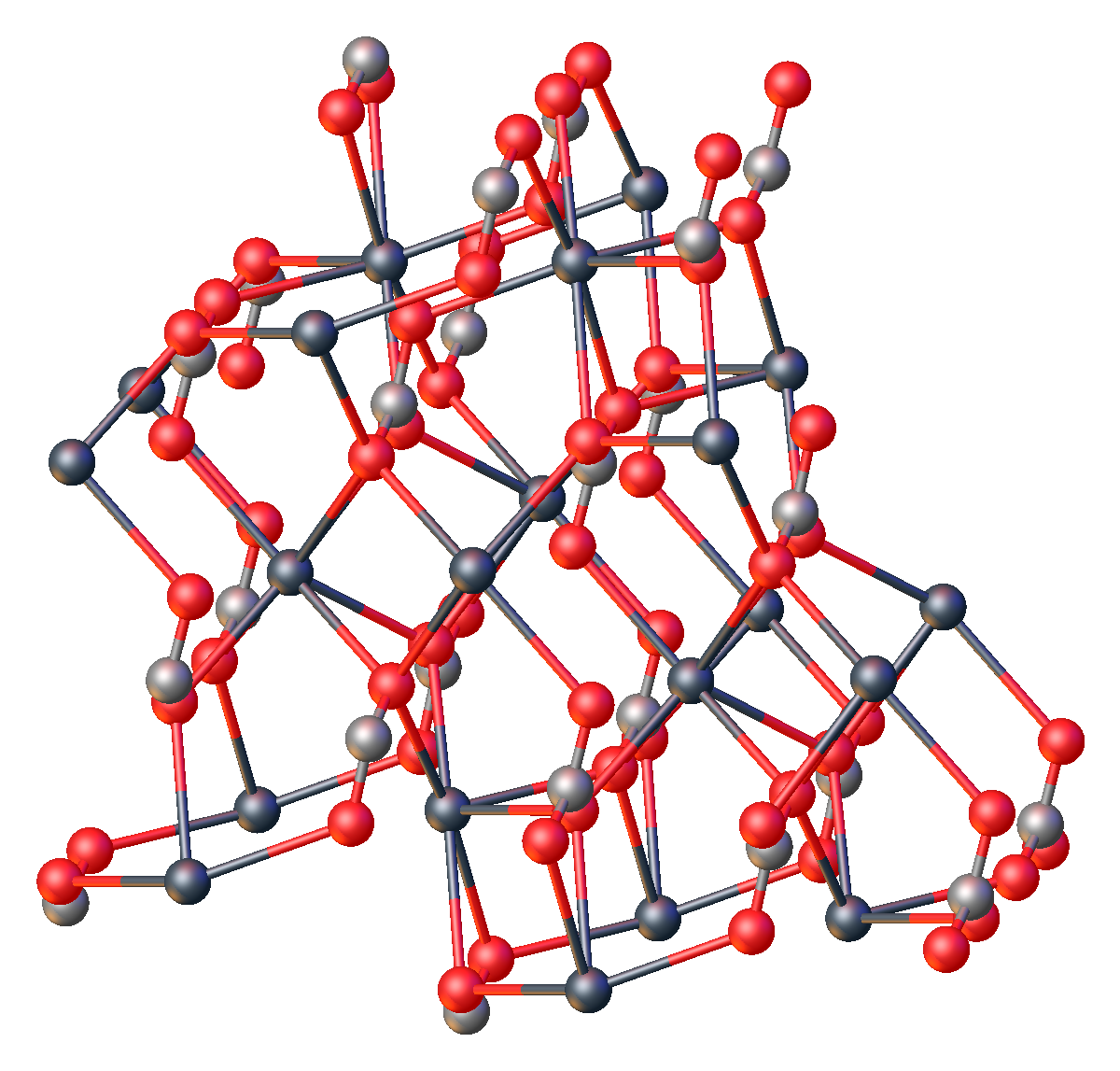
Lead carbonate is an inorganic compound consisting of lead cations and carbonate anions. In the pure stoichiometric form the lead is in the +2 oxidation state. The mineral form of lead carbonate is known as cerussite. Commercially and historically, closely related basic lead carbonates have been important as white pigments and corrosion products. Because it contains lead, lead carbonate is toxic to humans and other organisms and is subject to regulatory controls in many countries.
Image gallery
3 Images

Characteristics and reactions
Lead carbonate is a heavy, white to pale-colored solid that is essentially insoluble in water but dissolves in dilute acids to give soluble lead salts and carbon dioxide. It reacts on heating to give yellow or red-brown lead(II) oxide and carbon dioxide; this thermal decomposition is an important chemical property. The compound can be formed as a precipitate when carbonate ions are introduced into solutions of soluble lead(II) salts.
- Composition: lead(II) ions and carbonate ions (lead, carbonate).
- Oxidation state: lead in the +2 state (Pb(II)).
- Solubility: effectively insoluble in water; soluble in mineral acids.
- Thermal behavior: decomposes to lead(II) oxide and CO2 (lead(II) oxide).
Preparation
In the laboratory and industrially, lead carbonate can be produced by precipitation. Typical methods introduce carbonate ions into a solution of a soluble lead(II) salt, such as lead(II) acetate, causing the insoluble carbonate to precipitate. Carbon dioxide can also be bubbled through or otherwise introduced into lead(II) salt solutions under conditions that favor carbonate formation. Careful control of concentration, pH and temperature influences whether pure PbCO3 or related basic carbonates form.
Uses, history and importance
Historically, lead-containing carbonates and basic carbonates were widely used as white pigments in paints and in some cosmetics — for example, the pigment commonly called "lead white" is a basic lead carbonate. Widespread recognition of lead poisoning risks led to the replacement of lead-based whites by safer pigments (such as titanium dioxide) and to restrictions on their manufacture and use. Lead carbonate remains of interest in specialized chemical, historical and conservation contexts.
Toxicity, safety and regulation
All lead compounds are toxic. Lead carbonate can be absorbed by ingestion or inhalation of dust, and it accumulates in soft tissues and bone with chronic exposure. Handling requires appropriate precautions: avoid inhaling dust, use protective gloves and work in a fume hood or controlled environment, and follow local hazardous-waste disposal rules. Many jurisdictions regulate or ban consumer uses of lead-containing pigments and set limits for occupational exposure, disposal and environmental release (health guidance, industrial standards, environmental rules).
Distinctions and notable facts
Do not confuse stoichiometric lead(II) carbonate with basic lead carbonates, which contain hydroxide ions in addition to carbonate and were the basis of traditional lead white pigments. The naturally occurring mineral cerussite is a source of lead ore and forms distinctive crystal habits that are studied in mineralogy. For further technical details and safety data consult trusted chemical references or regulatory sources (oxidation state reference, carbonate chemistry).
Related articles
Author
AlegsaOnline.com Lead carbonate (PbCO3): properties, preparation, uses and hazards Leandro Alegsa
URL: https://en.alegsaonline.com/art/56725