
Yttrium: properties, occurrence, applications and notable facts
Yttrium (atomic number 39) is a silvery metallic element often grouped with rare earths. This article summarizes its properties, sources, historical background, principal uses, and distinguishing features.
Yttrium is a chemical element often treated with the rare-earth metals due to its similar chemistry. It has the atomic number 39 and is represented by the symbol Y. As a metallic element it is silvery-white, forms crystalline solids, and shows surface stability in bulk form but increased reactivity when finely divided. For a general reference see chemical element overview.
Image gallery
10 Images


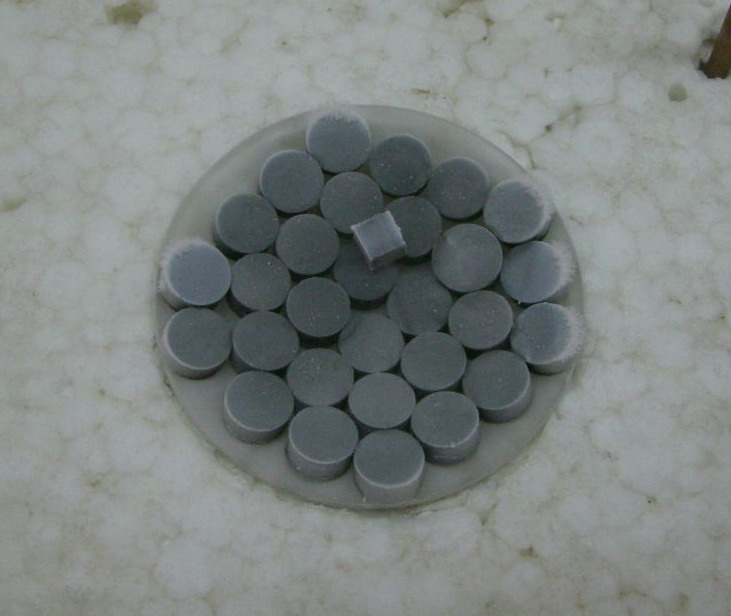



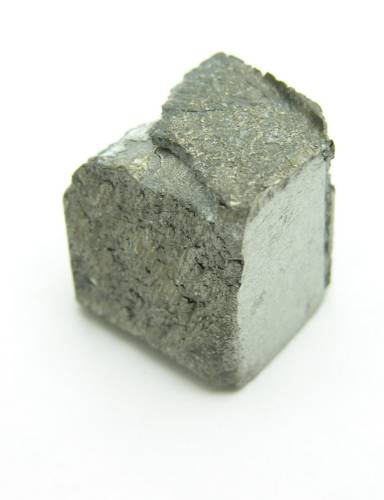
Physical and chemical characteristics
Yttrium is a transition-metal element that commonly exhibits a +3 oxidation state in compounds. Bulk metal tends to be fairly resistant to air at room temperature, while powders or filings oxidize readily and may combust when heated; powdered material can ignite at elevated temperatures. Its mechanical and electronic properties make it useful in ceramics and high-temperature applications. For classification context consult metal classification resources.
Occurrence and history
Yttrium is not found free in nature but occurs in several mineral deposits, frequently alongside the lanthanide (rare earth) elements. It is commonly extracted from minerals such as xenotime and monazite that contain a mix of rare-earth elements. The element was first identified from a mineral discovered near the Swedish village of Ytterby, which gave yttrium its name. For more about its position in the periodic system see atomic number reference and periodic table entry.
Uses and applications
Yttrium and its compounds have a range of technological roles. Major examples include:
- Materials for lasers and optics (for example, yttrium aluminum garnet and related host crystals).
- Phosphors and colorants used historically in cathode-ray tubes and in modern lighting and displays.
- Alloying additions that improve strength and heat resistance in certain metals and advanced ceramics.
- Components in some high-temperature superconductors and specialty electronic ceramics.
- Certain radioisotopes of yttrium are used in targeted medical therapies and diagnostics.
Its technological importance spans electronics, metallurgy and optics; manufacturers and researchers often rely on yttrium compounds for reliable performance in demanding environments. See industry and application summaries at application overview.
Notable distinctions and safety
Although yttrium sits in the transition-metal region of the periodic table, it is commonly grouped with the lanthanides because of chemical similarities and co-occurrence in deposits. Handling metallic yttrium and its powders requires standard precautions: fine powders can pose fire risks and some soluble compounds may be toxic in large amounts. Yttrium's role in modern materials, from lasers to superconductors, makes it an element of continued scientific and industrial interest.
Related articles
Author
AlegsaOnline.com Yttrium: properties, occurrence, applications and notable facts Leandro Alegsa
URL: https://en.alegsaonline.com/art/110140