
Lamiales: order of mints, olives, jasmines and related flowering plants
Lamiales is an order of asterid dicot flowering plants with about 11,000 species in roughly ten families, including mints, olives, jasmines, lavender and many ornamental and culinary plants.
Lamiales is an order of flowering plants within the asterid clade of dicotyledons. Botanists treat it as a distinct taxon often cited simply as Lamiales. Modern classifications place the group among the asterids, and it comprises roughly 11,000 species organized into about ten families in current treatments.
Image gallery
5 Images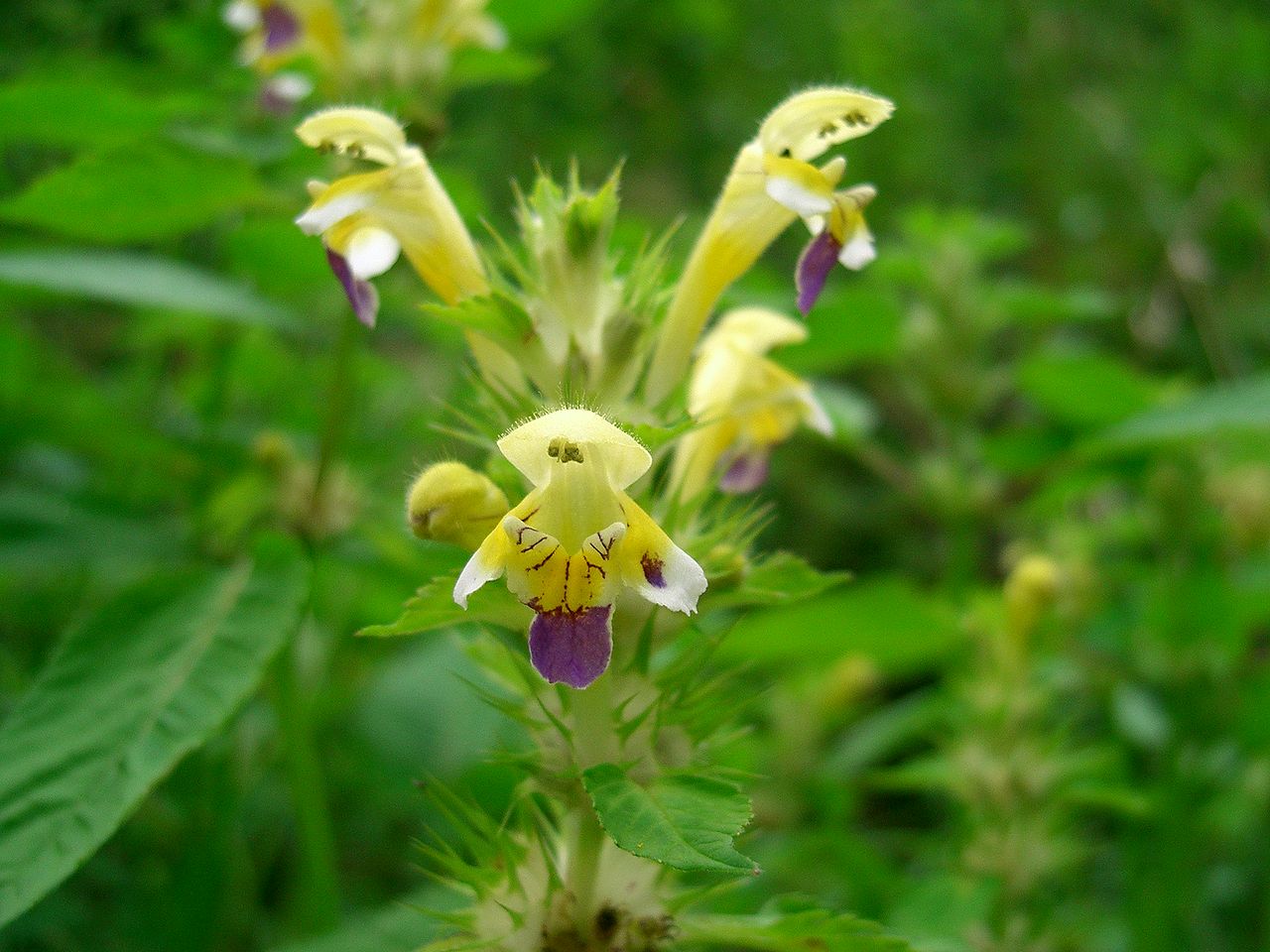


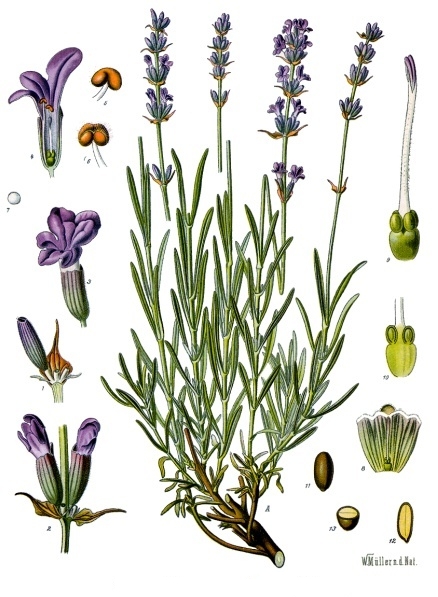
Typical characteristics
Members of Lamiales are diverse in habit, ranging from small aromatic herbs to shrubs and large trees. Many species share a set of common features: opposite or whorled leaves, bilaterally symmetrical (zygomorphic) flowers with a tubular corolla, and, in some groups, specialized stamens. Several families produce essential oils or have square stems and glandular hairs — traits familiar from culinary herbs.
Notable families and examples
Well-known plants in the order illustrate its economic and cultural importance. Examples include garden and aromatic species such as lavender, mint, basil and rosemary; ornamental shrubs like lilac and jasmine; and trees such as the ash and commercially valued timber like teak. The edible oil-bearing olive is another economically significant member.
Distribution, ecology and uses
Lamiales occur worldwide but are particularly diverse in Mediterranean, tropical and subtropical regions. Their flowers are commonly adapted to insect pollinators (especially bees), and some attract birds. Humans cultivate many species for flavoring, perfumery, timber, medicine and ornament. Typical uses include culinary herbs (mints, basils), fragrance plants (lavender, jasmine), and landscape ornamentals (lilacs, snapdragons).
Taxonomy and evolution
The circumscription of Lamiales has been refined by molecular phylogenetic studies over recent decades. Genetic evidence reorganized several traditional families and clarified relationships among lineages, so names and family limits have shifted compared with older classifications. The group is thought to have diversified during the later Mesozoic to early Cenozoic, with much of its modern diversity developing subsequently.
Identification tips and notable facts
- Look for opposite leaves and bilabiate (two-lipped) flowers in herbaceous species.
- Aromatic oils and square stems are common in the mint family relatives.
- Taxonomic boundaries were reshaped by DNA studies; older field guides may place some genera in different families than modern accounts.
For further reading on classification and individual genera, consult specialist floras and molecular phylogenetic reviews of dicotyledonous plants and orders such as Lamiales. Additional resources and species lists are available through botanical databases and regional floras (taxon references, asterid summaries). For practical gardening and culinary guidance see resources on herbs and ornamentals (lavender, mint, basil).
Selected example links: lilac, olive, jasmine, ash tree, teak, rosemary.
Related articles
Author
AlegsaOnline.com Lamiales: order of mints, olives, jasmines and related flowering plants Leandro Alegsa
URL: https://en.alegsaonline.com/art/55705