
Lawn
A managed area planted mainly with grasses (and sometimes clover), mown short for aesthetics, recreation or sport; common around buildings with cultural, economic and environmental dimensions.
Overview
A lawn is a deliberately maintained area planted primarily with grass and sometimes low-growing plants such as clover. It is kept mown to a uniform, short height and used for visual appeal, leisure and athletic activity. Lawns can be called pitch, field, green or yard depending on context, and they occur around private homes, public parks, commercial buildings and sports facilities. Many people value lawns for their aesthetic qualities and for recreational use.
Image gallery
10 Images

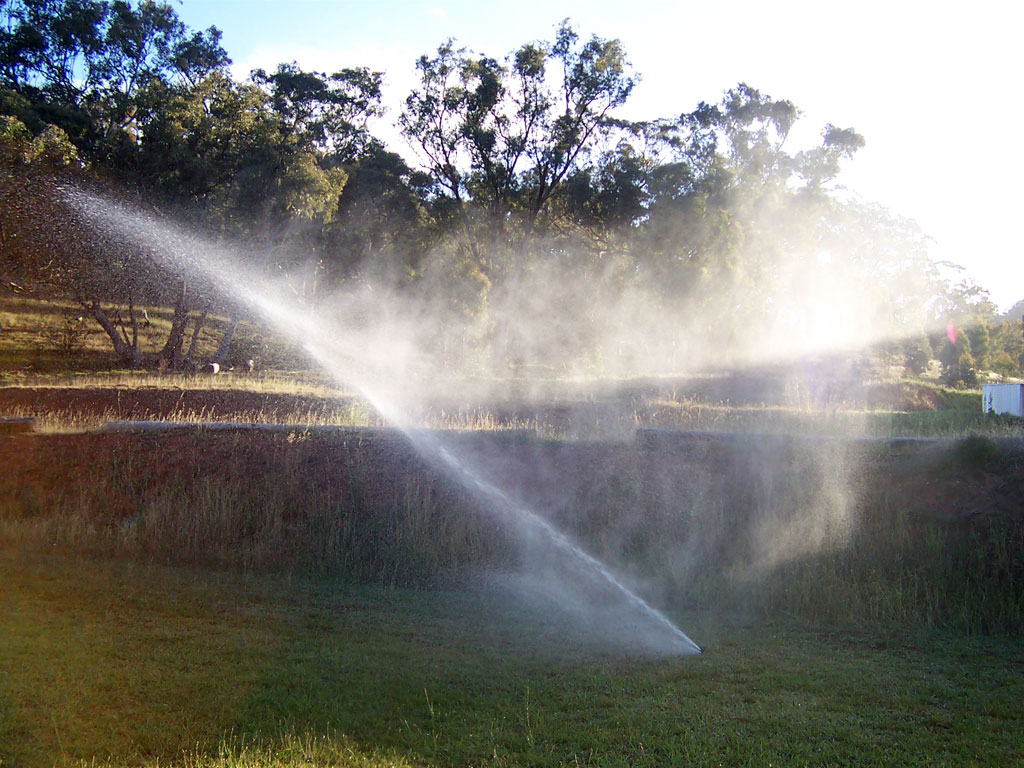

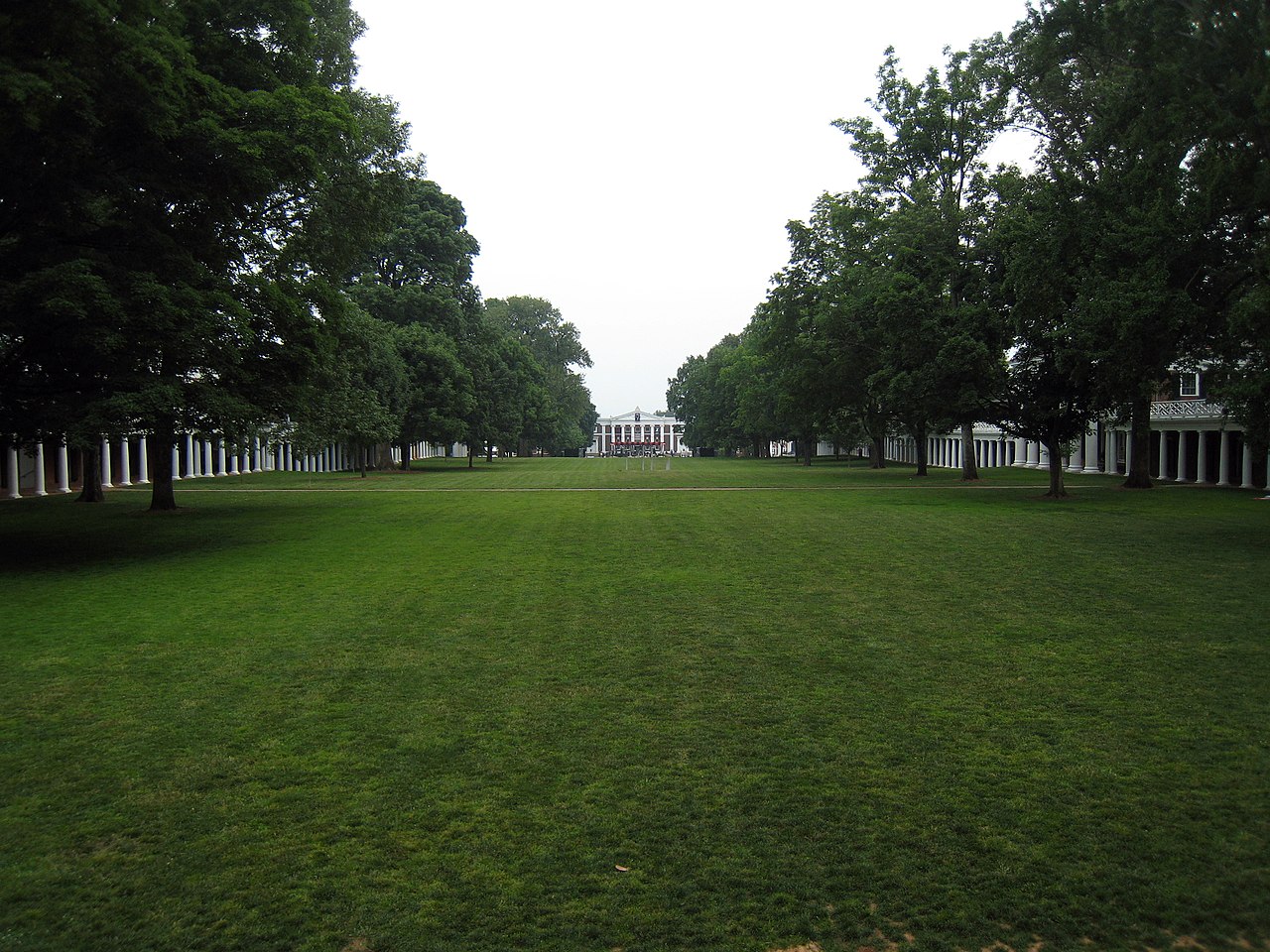


Characteristics and composition
Typical lawns are composed of one or several turfgrass species selected for wear tolerance, color and growth habit. In practice many lawns are near-monocultures that require routine care: regular mowing, irrigation, fertilization, and weed and pest control. Lawns are managed to remain green and short; care schedules vary by climate and grass type. Lawns may be established from seed or by laying sod, and maintenance also includes soil aeration and periodic overseeding to maintain density.
History and development
The idea of a cultivated grass area has roots in Europe; references to lawn-like open grass appear in 16th-century France, and manicured grass became a feature of English landscape design by the 18th century in England. Before mechanized equipment, mowing was done with a scythe, and managing large expanses could be labor intensive—an historical note explains that one acre could occupy several workers for a full day. The invention of roller rotary and cylinder lawnmowers in the 19th century and later developments greatly reduced the labor required and popularized smaller private lawns.
Uses, types and cultural role
Lawns serve multiple purposes. Residential lawns provide informal play space and aesthetic buffering around homes; public lawns and parks offer communal green areas; specialized lawns support sports such as soccer, cricket and golf where playing-surface characteristics are critical. Beyond function, lawns can carry cultural meanings—signals of stewardship, neighborhood norms or social status—and their design and upkeep reflect regional tastes and traditions.
Maintenance practices and environmental considerations
Maintaining a lawn typically involves mowing, watering, fertilizing, pest management and occasional renovation. These practices support a uniform surface but have environmental costs: water use can be substantial in dry climates, and the production and application of fertilizers and pesticides can affect air, soil and water quality. In the United States, for example, a large proportion of private outdoor water use is attributed to landscape irrigation and industry estimates have highlighted the economic scale of lawn care. Such concerns have encouraged alternatives—reduced-mow mixes, native plant landscaping, xeriscaping and the use of drought-tolerant grasses—to lower water demand and support biodiversity.
Practical notes and variations
Climate and intended use determine the best grass species and maintenance regime. Cool-season and warm-season turfgrasses differ in growth patterns and care needs, and high-wear sports turf requires different management than an ornamental front lawn. Regulatory and community guidelines sometimes limit watering or chemical use, and new technologies such as more efficient irrigation systems and robotic mowers are changing routine care.
- Common maintenance steps: mowing, irrigation, fertilizing, aeration, overseeding.
- Common alternatives: native meadows, groundcovers, hardscaping to reduce maintenance.
- Terminology and use vary by continent and culture.
For further reading on turf species, cultural history and environmental impacts, consult horticultural guides and regional extension services represented in many countries and local authorities. Practical guidance is often available from municipal programs and conservation groups that promote waterwise and wildlife-friendly landscaping.
Related topics and resources: grass, clover, aesthetics of green spaces, recreation on lawns, sports pitches, fields, greens, regional variations, yard management, weed and pest control, France, England, acreage considerations, traditional tools.
Questions and answers
Q: What is a lawn?
A: A lawn is an area of land planted with grass, and sometimes clover and other plants, that is cut to a low, even height using a lawnmower.
Q: What are lawns used for?
A: Lawns are used for aesthetic (for their beauty) and recreational purposes. They are often found around buildings, making them a type of yard.
Q: How popular are grass lawns in the United States?
A: Approximately 80% of all homes in the United States have grass lawns. This has resulted in a $40 billion per year industry.
Q: How much water does it take to maintain grass lawns in the United States?
A: American grass lawns use more water than is used to grow all the wheat and corn in the United States. The Environmental Protection Agency estimates that about 1/3 of all public water is used to water grass, with that number rising as high as 70% in some of the more dry regions of the United States.
Q: When did people first start using lawns?
A: The earliest mention of lawns comes from France during the 1500s. Lawns (as opposed to fields) found their way to England in the 1700's.
Q: How long would it take three gardeners to mow one acre (0.4 hectare)of land with scythes?
A: It would take three gardeners all day to mow one acre (0.4 hectare)of land with scythes .
Q: How long does it take one person with a modern-day mower to do this job now?
A: One person with a modern-day mower can do this job in an afternoon now
Related articles
Author
AlegsaOnline.com Lawn Leandro Alegsa
URL: https://en.alegsaonline.com/art/56413
Sources
- todaysmower.com : "What's The Best Lawn Tractor Deck Size For Me and My Yard?"
- weedmanusa.com : "World Famous Lawns; Greenery from Around the Globe"