
Khichdi — traditional South Asian rice and lentil dish
Khichdi is a simple, comforting dish of rice and lentils from the Indian subcontinent, with many regional variations, nutritional benefits, and a long cultural history.
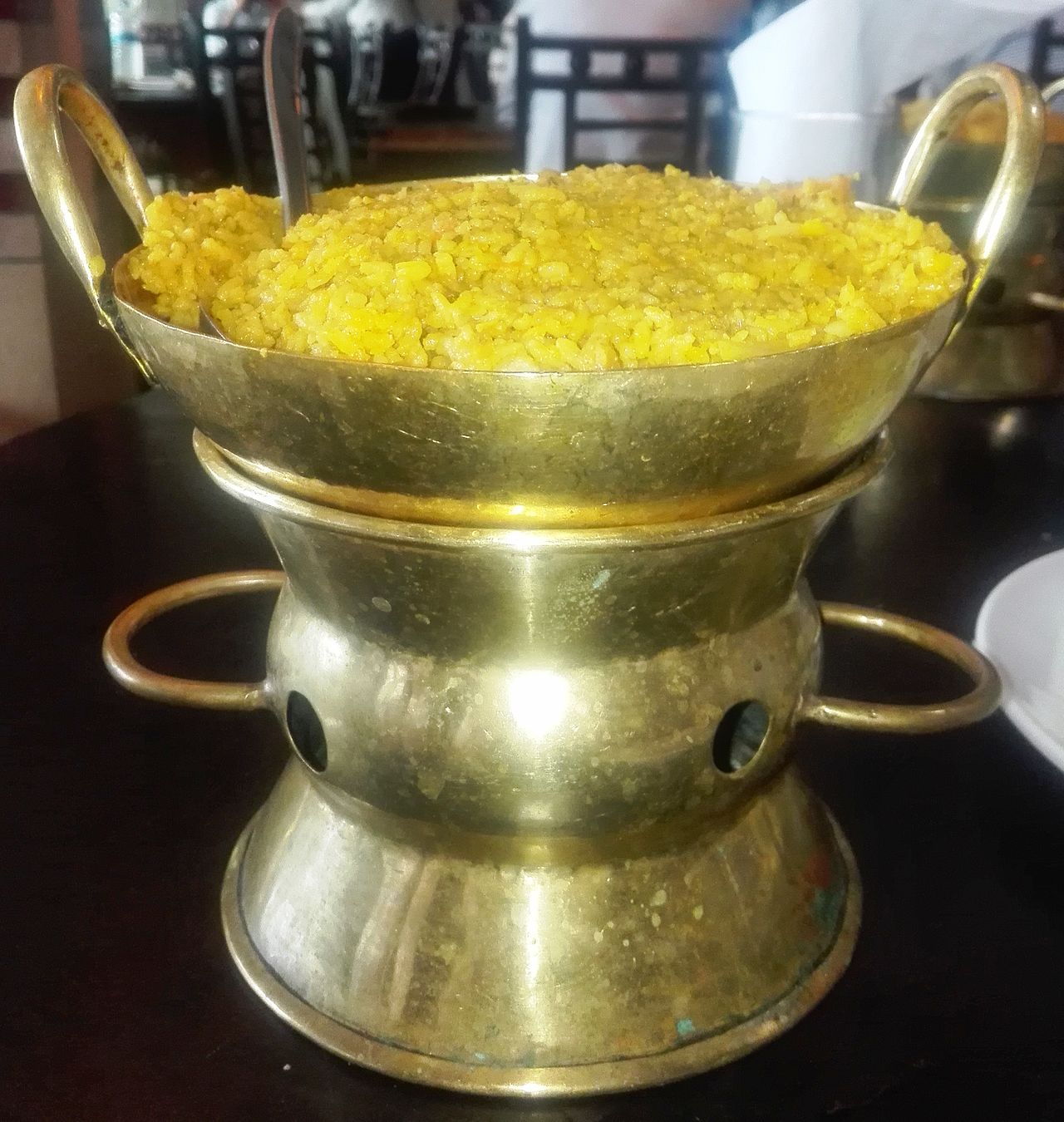
Khichdi (also spelled khichri, kichri or khichuri) is a simple savory porridge of rice and lentils that is widely prepared across the Indian subcontinent. Its core ingredients are typically rice and lentils (dal), cooked together until softened; the result ranges from a loose, soup-like consistency to a thick, mashed one. The dish is commonly seasoned with mild spices, a drizzle of ghee and occasionally vegetables, and it is known for being easy to digest and adaptable.
Image gallery
8 Images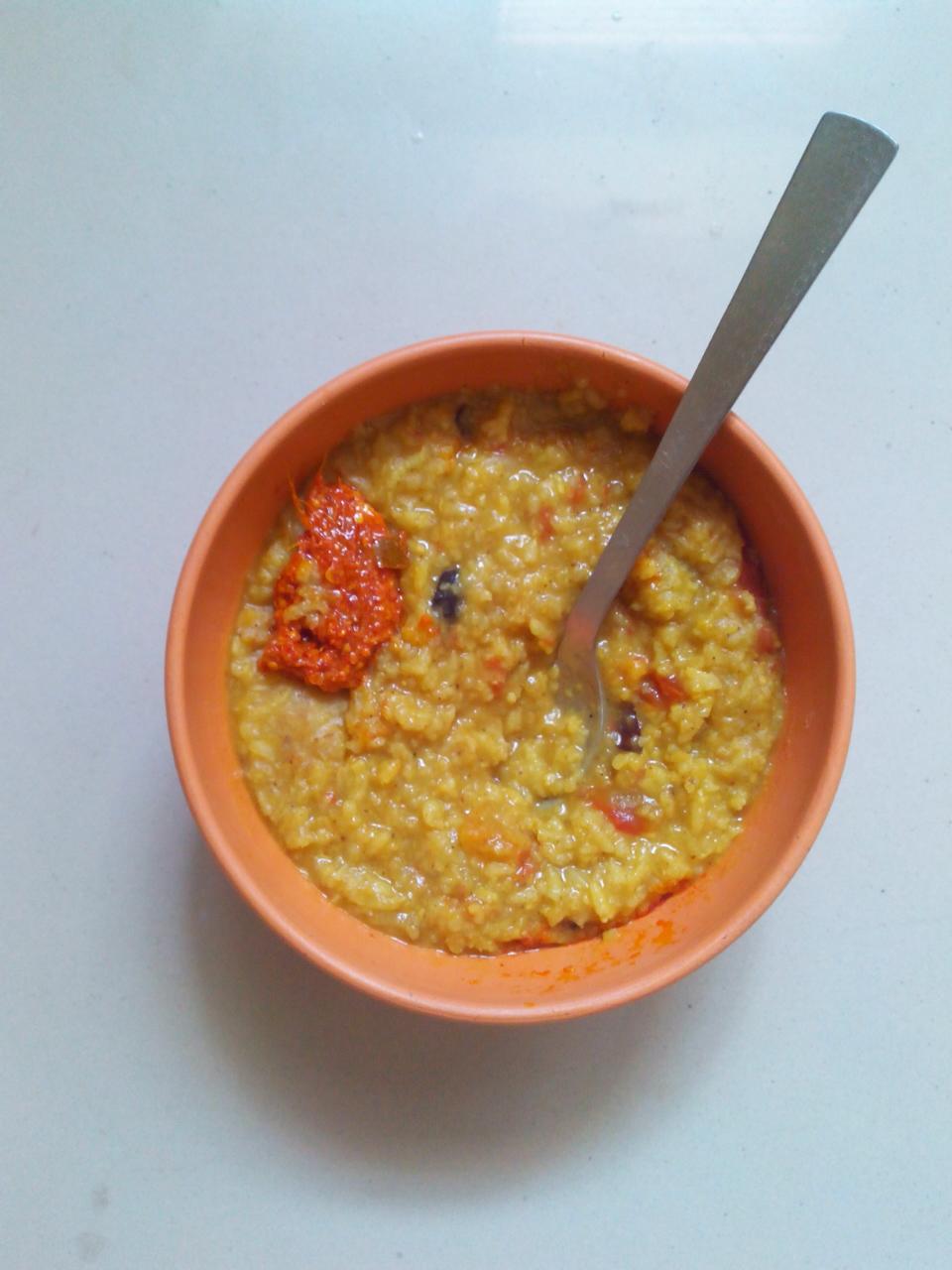




Ingredients and preparation
At its most basic, khichdi combines one or more types of rice with split lentils such as mung dal or masoor dal. Turmeric, salt and cumin are frequent additions; tempering with mustard seeds, curry leaves or asafoetida appears in some regional recipes. Cooking methods vary: some versions are pressure-cooked for speed, while others simmer slowly to develop a creamier texture. Accompaniments commonly include yogurt, pickles, papad, and ghee.
Regional variations
- Bengali khichuri: often uses fragrant rice, ghee and whole spices, and may include vegetables.
- Gujarati khichdi: can be mildly sweet or savory and is sometimes served with kadhi (yogurt-based sauce).
- South Indian pongal: a related dish made with rice and mung dal, seasoned with black pepper and curry leaves.
- Plain or medicinal versions: very simple, unspiced khichdi served to infants or patients for recovery.
History and cultural significance
Khichdi has deep roots in South Asian culinary tradition and is frequently cited as one of the earliest solid foods given to infants. Its simplicity made it a staple food for people across social classes and regions. Over time it acquired symbolic meanings—comfort food, food for the sick, and a celebratory dish in some households. In the colonial era, a related Anglo-Indian dish called kedgeree adapted elements of khichdi into a breakfast preparation featuring smoked fish and eggs.
Nutritional role and uses
The combination of rice and lentils provides a balance of carbohydrates and plant protein, making khichdi a relatively complete, inexpensive meal. Because it is gentle on the stomach and easy to modify, khichdi is commonly recommended for convalescence, for young children beginning solids, and as a fasting or light meal. It can be fortified with vegetables or seeds to boost vitamins and minerals.
Notable facts and distinctions
While many nations or communities prize particular national dishes, khichdi’s appeal lies in its many local interpretations rather than a single canonical recipe. In recent years it has been highlighted in cultural promotions and food festivals as an emblematic comfort food, sometimes described in popular media as a national or signature dish, but its most enduring quality is adaptability: a basic, nourishing dish that takes countless forms across the region.
Related articles
Author
AlegsaOnline.com Khichdi — traditional South Asian rice and lentil dish Leandro Alegsa
URL: https://en.alegsaonline.com/art/53230