
Kattegat: geography, ecology and human use
Kattegat is the shallow sea between Denmark and Sweden, linking the North Sea/Skagerrak with the Baltic. This article describes its geography, ecology, history, and environmental challenges.
Overview
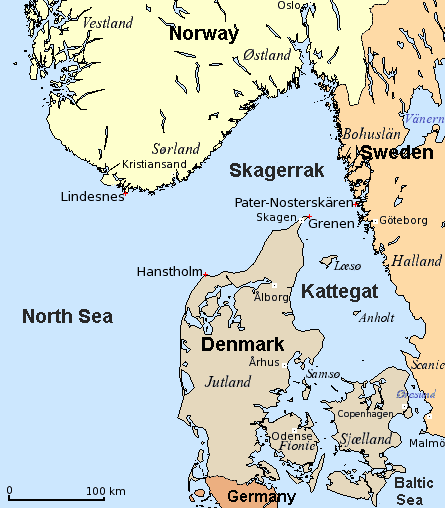
The Kattegat is a marginal sea in northern Europe that lies between the Danish mainland and islands and the western coast of Sweden. It occupies the marine area bordered by the Danish peninsula peninsula and the larger landform Jutland and includes approaches from the Danish shore that have long been important for navigation and fisheries. The eastern boundary meets Swedish coastal provinces, and the sea forms a transition zone between the North Sea system and the enclosed Baltic basin.
Image gallery
10 Images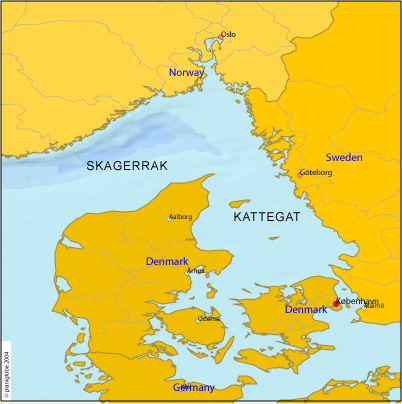




Geography and physical characteristics
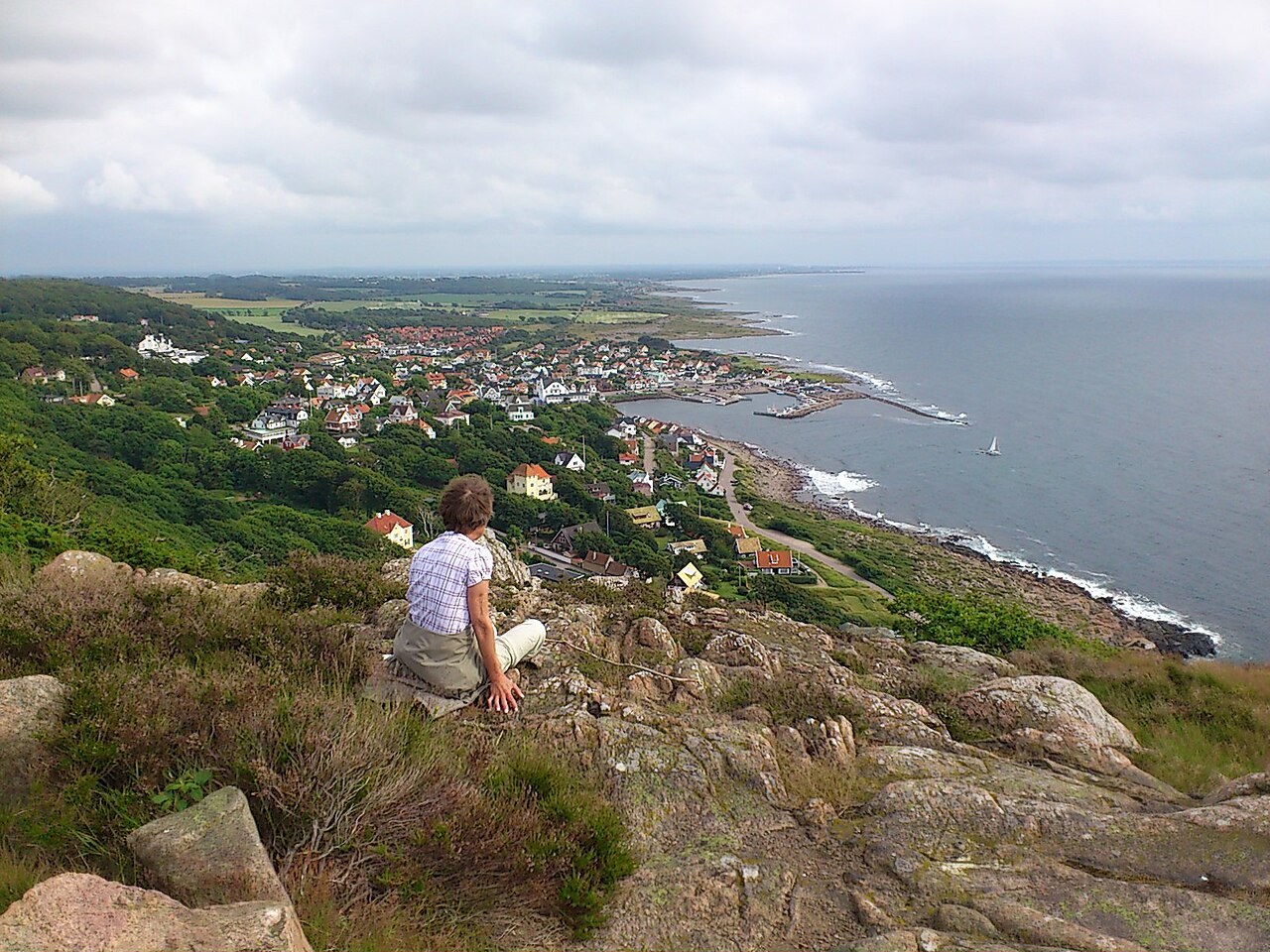
Kattegat is generally shallow, with many islands, shoals and sandbanks that influence currents and ship routes. The sea opens to the northwest toward the Skagerrak, which connects further to the North Sea, and it links to the Baltic Sea through the Danish Straits and several channels between islands. Important Danish islands and channels shape the water exchange with the Baltic; examples of adjacent islands include areas near Zealand and smaller islands scattered across the basin. The coastline opposite consists of the Swedish west coast, historically an important maritime fringe for fishing and trade (Sweden).
Ecology and notable species
The Kattegat supports a mixture of marine and brackish-water species because it receives saltier inflow from the North Sea and fresher water from the Baltic. Traditionally it was rich in commercially important fish such as cod, herring and salmon, which supported coastal economies and local diets for centuries. Benthic habitats—seaweeds, eelgrass beds and soft sediments—are key for juvenile fish and invertebrates, while migratory species use the area as a passage between seas.
Environmental pressures
In recent decades Kattegat has experienced environmental stress typical of semi-enclosed seas. Loss of oxygen in bottom waters, often described as hypoxia, reduces habitat quality and can cause local die-offs of bottom-dwelling organisms (loss of oxygen). A major driver of these problems is nutrient enrichment from land-based sources, including agricultural runoff and urban effluents; this general category of contamination is frequently described as pollution. Excess nutrients stimulate algal growth, and when that organic matter decomposes it consumes oxygen, worsening seasonal or persistent hypoxia.
Human uses, history and management
The Kattegat has long been a corridor for shipping between northern European ports and a productive fishing ground for coastal communities. Overfishing, habitat change and nutrient loads have altered fish populations and the abundance of traditional catches. Management responses in recent decades include bilateral cooperation between Denmark and Sweden, fishing regulations, and initiatives to reduce nutrient inputs and protect important habitats. Conservation efforts combine monitoring, area protection and measures aimed at reducing runoff from farming and urban areas.
Key facts and distinctions
- The Kattegat forms a transitional marine zone connecting the North Sea/Skagerrak with the Baltic via the Danish Straits.
- Its shallow waters, islands and sandbanks create complex navigation conditions and diverse coastal habitats.
- Long-term environmental concerns include eutrophication-driven oxygen loss, nutrient pollution, and changes in populations of cod, herring and salmon.
- Geographically it is defined by the coasts of Denmark and Sweden, and lies near major Danish islands such as Zealand and peninsular areas like Jutland and other local features noted on regional maps (map references).
For more detailed maps, ecological data and management plans, consult national agencies and regional marine authorities that publish up-to-date assessments and action plans (regional overview).
Related articles
Author
AlegsaOnline.com Kattegat: geography, ecology and human use Leandro Alegsa
URL: https://en.alegsaonline.com/art/52531