
Salmon (Salmonidae): biology, life cycle, uses and conservation
Salmon are ray‑finned fish of the family Salmonidae, noted for anadromous migrations, culinary value and cultural importance. This article summarizes their biology, life cycle, human use and conservation issues.
Overview
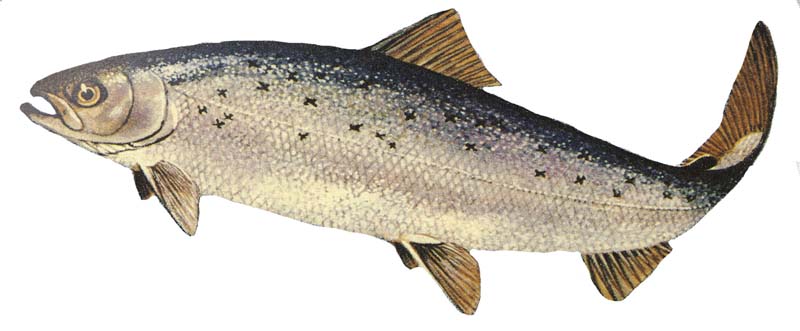
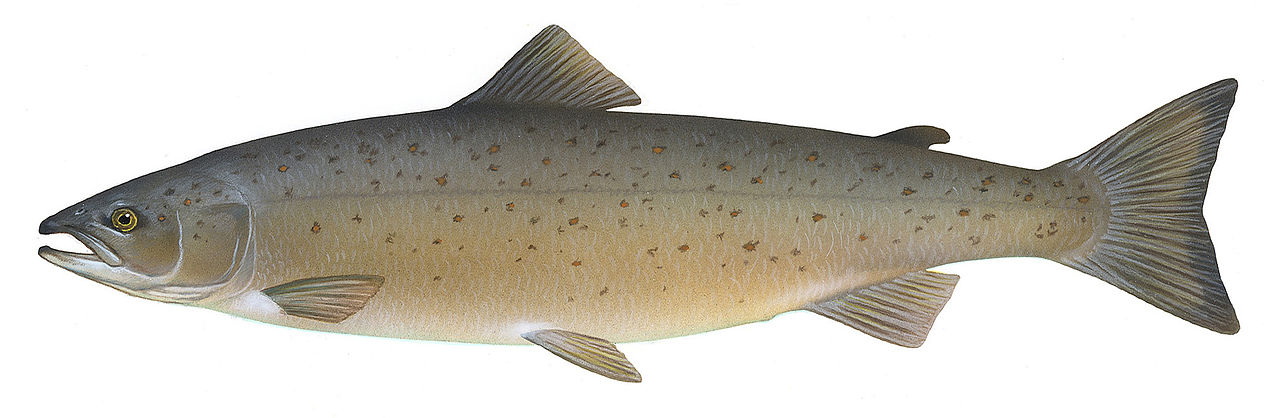
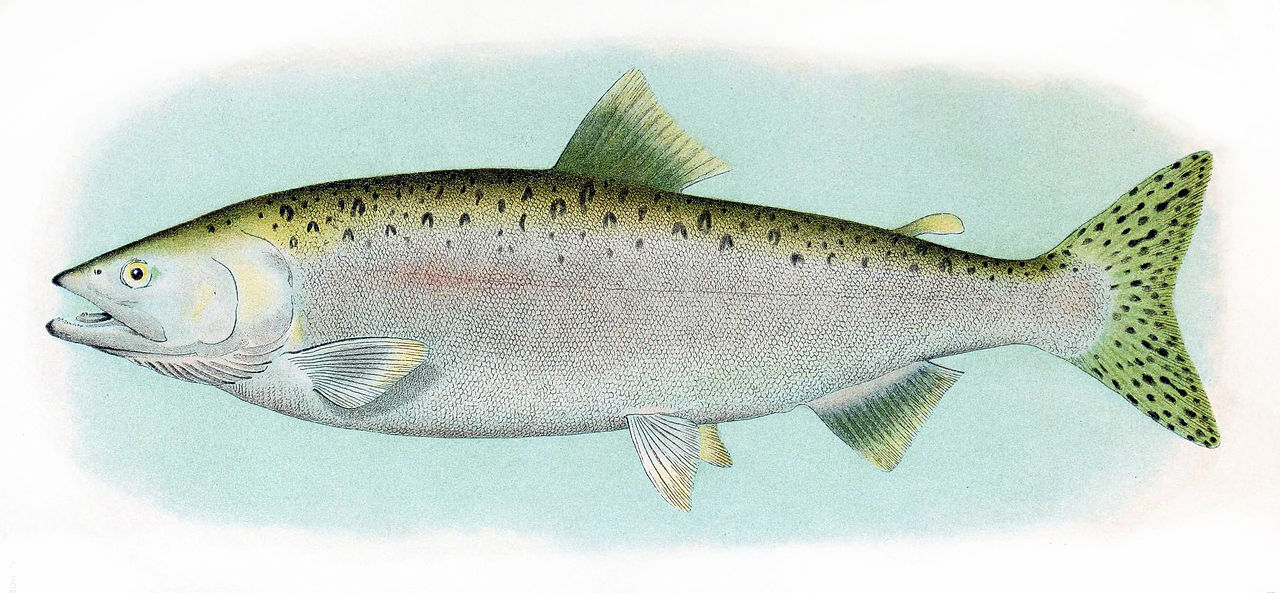
Salmon are a group of ray‑finned, bony fish in the family Salmonidae. They are part of the larger group of teleost fishes and are widely recognised simply as fish with important ecological and economic roles. Several genera contain species commonly called salmon, including Atlantic salmon and the Pacific salmon species. Salmon are closely related to trout, and the two names sometimes overlap in common usage.
Image gallery
10 Images





Biological characteristics
Salmon share a set of physical and physiological traits that suit both freshwater and marine habitats. Typical characteristics include:
- Streamlined, laterally compressed bodies adapted for swimming long distances.
- Scales, a single dorsal fin plus an adipose fin, and forked tails for propulsion.
- Physiological ability to osmoregulate, enabling movement between salt water and rivers during their life cycle.
- Diet that shifts from invertebrates and plankton as juveniles to larger fish and crustaceans as adults.
Life cycle and migration
Many salmon are anadromous: they hatch in freshwater, migrate to the ocean to feed and grow, and then return to freshwater to spawn. The transition from freshwater juvenile to ocean‑going fish is called smoltification and involves physiological changes that prepare juveniles for life in salt water. After one or more years at sea, adult salmon navigate back to natal or suitable spawning streams to reproduce and then typically die, providing nutrients to the river ecosystem.
Uses, cuisine and aquaculture
Salmon are prized for their flavorful, oily flesh and are a major target of commercial, recreational and subsistence fisheries. They are a rich source of protein and omega‑3 fatty acids, and feature prominently in cuisines around the world. To meet demand, salmon are widely produced in fish farms as well as harvested from wild stocks. Aquaculture has expanded production but also raises concerns about disease, escapes, and environmental impacts.
Conservation, management and human impacts
Wild salmon populations face multiple threats: habitat loss from dams and development, water quality change, overfishing, climate change affecting ocean and river conditions, and interactions with farmed fish. In some regions, river obstructions can impede migrating adults; reintroductions of species such as the beaver have sometimes created barriers that managers mitigate with fish passes or sluice gates to allow spawning runs. Fisheries management uses measures such as catch quotas, hatchery programs, habitat restoration and protected areas to support recovery and sustainable harvests.
Notable distinctions and cultural importance
Different salmon species vary in size, life history and geographic range. Atlantic salmon (Salmo salar) is the primary wild salmon of the North Atlantic, while several Oncorhynchus species dominate the Pacific. Salmon hold deep cultural and nutritional importance for many Indigenous peoples, particularly in the North Pacific, where they are central to traditions, economies and seasonal calendars. Conservation of salmon therefore combines ecological science with social and cultural stewardship.
Because salmon link ocean and freshwater ecosystems and support diverse human uses, they remain one of the best‑known examples of migratory fish whose management requires coordinated action across habitats and jurisdictions.
Further reading and resources: teleost overview, general fish information, family Salmonidae, trout and relatives, marine habitats, river ecosystems, aquaculture practices, beaver ecology.
Questions and answers
Q: What kind of fish is salmon?
A: Salmon is a kind of teleost fish from the family Salmonidae.
Q: What other type of fish belong to the same family as salmon?
A: Trout also belong to the same family of fish as salmon.
Q: Where do most kinds of salmon live?
A: Most kinds of salmon live in salt water, or migrate between rivers and the sea.
Q: How are some people able to eat salmon?
A: Some people are able to eat salmon by growing them in fish farms.
Q: What problem has been caused by the re-introduction of beavers to the U.K.?
A: The problem caused by the re-introduction of beavers to the U.K. is that they obstruct gravid female salmons from getting to their spawning grounds.
Q: How can this problem be solved?
A: This problem can be solved by providing sluice gates so that gravid female salmons can get access to their spawning grounds at breeding time.
Q: Are there any alternatives for eating non-migratory salmon?
A: An alternative for eating non-migratory salmon is growing them in fish farms, where they have to be fed artificially.
Related articles
Author
AlegsaOnline.com Salmon (Salmonidae): biology, life cycle, uses and conservation Leandro Alegsa
URL: https://en.alegsaonline.com/art/86520