
Kaveri (Cauvery) — Major river of southern India
The Kaveri (Cauvery) is a sacred and economically vital river rising in the Western Ghats of Karnataka and flowing through Tamil Nadu to the Bay of Bengal, supporting irrigation, power and culture.
Overview
The Kaveri, also spelled Cauvery, is one of the principal rivers of southern India. It rises in the Western Ghats in what is now Karnataka and flows generally southeast across peninsular India before emptying into the Bay of Bengal in the state of Tamil Nadu. The river forms an extensive fertile plain in its lower reaches and is central to the economy and heritage of the region.
Image gallery
10 Images




Course and physical features
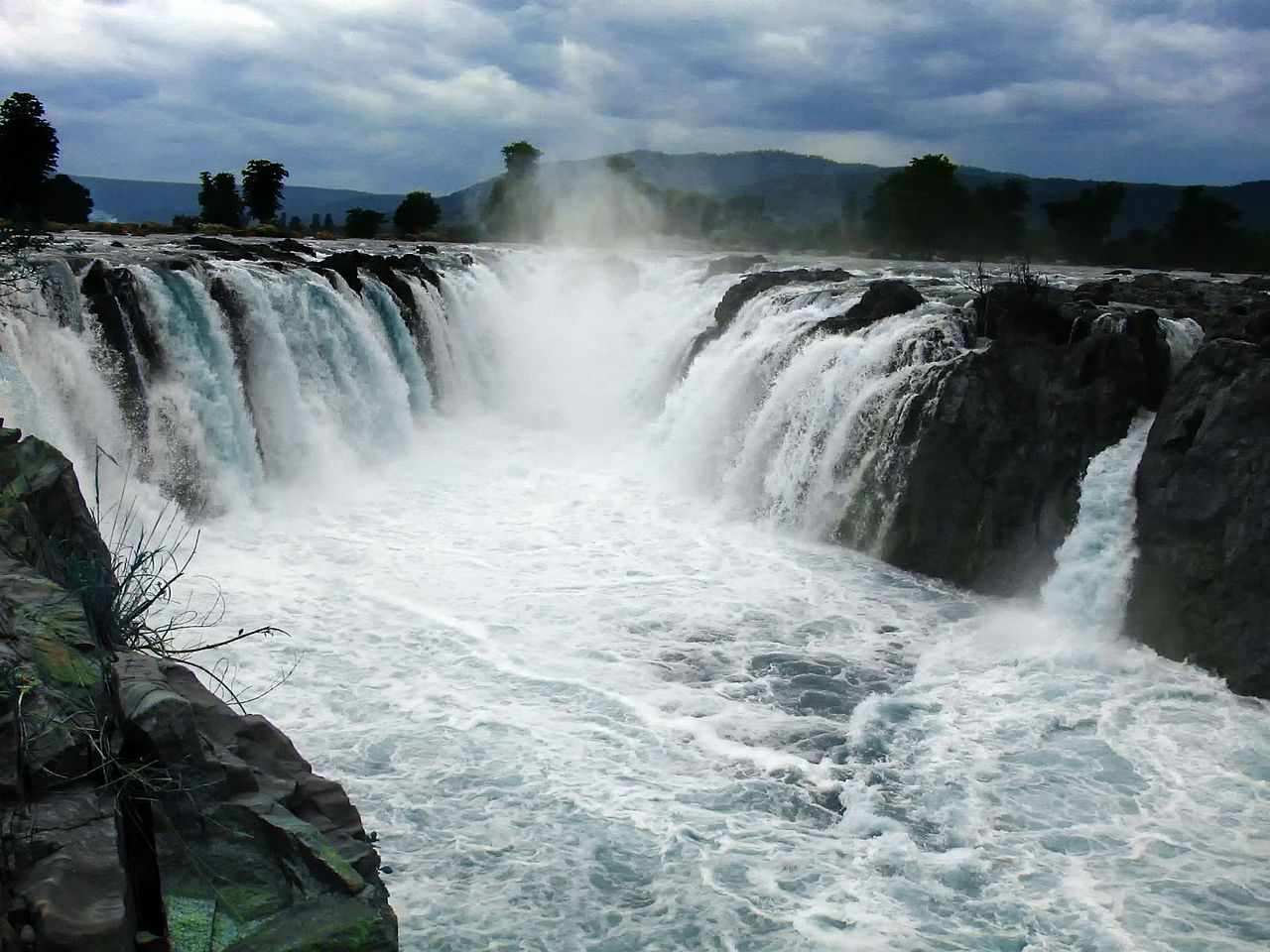
The Kaveri’s headwaters originate in the forested hills of the Western Ghats. Along its course it is fed by several tributaries originating in those hills and adjoining plateaus. Notable features include waterfalls and gorges where the river descends from the highlands, reservoirs and a broad, alluvial delta close to the coast. The delta has historically supported intensive agriculture and dense settlement.
Human uses
The river is heavily managed for irrigation, municipal water supply and hydroelectricity. Major dams and reservoirs built on the Kaveri and its tributaries regulate flows for dry seasons and support large-scale rice cultivation in the delta. Power stations and irrigation works established in the 20th century transformed adjoining districts, while towns and temple complexes along the banks rely on the river for ritual and daily needs.
Culture, history and environment
Kaveri is widely revered in local traditions and figures in many myths and religious practices of southern India. Historic cities and important temples sit on its banks, and annual rituals and festivals celebrate the river. Ecologically, the Kaveri supports wetlands, estuarine marshes and fisheries, though growing pressures from pollution, urbanization and excessive withdrawal have raised concerns about water quality, reduced flows and salinity intrusion near the coast.
Contemporary significance and issues
- Water supply and agriculture: the river underpins irrigation systems that supply food crops across two states.
- Energy: hydroelectric installations harness seasonal flows for power generation.
- Governance: management of the Kaveri’s waters has been the subject of inter-state negotiations and legal processes aimed at allocating supply fairly among competing users.
- Conservation: ecosystem health and riverine habitats face challenges from development, prompting monitoring and restoration efforts.
As a major southern river, the Kaveri remains central to regional livelihoods, identity and economy. Its course from the highlands to the coastal plain links ecological zones, historic sites and modern urban centers, making its stewardship a continuing priority for communities and governments alike.
Related articles
Author
AlegsaOnline.com Kaveri (Cauvery) — Major river of southern India Leandro Alegsa
URL: https://en.alegsaonline.com/art/52564