
Kavaratti: capital atoll town of Lakshadweep, India
Kavaratti is the administrative capital of Lakshadweep, an atoll town known for sandy beaches, calm lagoons, coral reefs and a small maritime community dependent on fishing, coconut cultivation and tourism.
Overview
Kavaratti is the principal town and administrative centre of the Union Territory of Lakshadweep in India. The name also refers to the coral atoll on which the town stands. As a low-lying atoll, Kavaratti combines human settlement with fragile island ecology and functions as the political hub for the surrounding islands.
Image gallery
3 Images
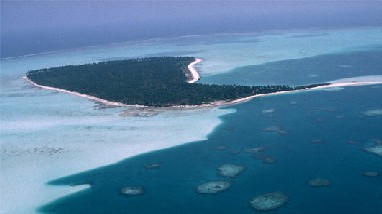

Geography and natural features
The island is formed around a lagoon and rim of coral, featuring white sandy beaches and calm lagoons protected by surrounding reefs. Coral formations and shallow waters support diverse marine life, making the atoll an example of typical Indian Ocean reef islands. The landscape is narrow and elongated, with settlements concentrated on reclaimed or naturally elevated parts.
Economy and uses
Local livelihoods traditionally center on fishing and coconut cultivation, complemented more recently by visitor services. The combination of reefs, clear water and sheltered bays has made Kavaratti a modest tourist destination, with activities focused on snorkeling, glass‑bottom boat tours and small-scale hospitality. Administrative and public services also provide important employment.
Culture and history
Kavaratti’s culture reflects long-standing maritime connections with South India and neighbouring island communities. Inhabitants have traditionally been seafarers and traders; cultural life is shaped by communal ties, fishing rhythms and religious practices typical of the archipelago. The island’s built environment includes public offices and community facilities that serve the wider territory.
Access, administration and conservation
As the capital island, Kavaratti hosts government offices that coordinate services for the archipelago. Access to Kavaratti is generally by inter-island vessels and coastal boats; an air connection for the territory exists via nearby islands that have airports, with boat links to the capital. Conservation and climate concerns are prominent because coral atolls are sensitive to sea-level rise, coastal erosion and coral bleaching.
Attractions and practical notes
- Swimming and snorkeling in protected lagoon waters.
- Observing coral reefs and local marine life from boats.
- Small-scale cultural experiences and local markets.
- Administrative facilities and visitor information located in the town centre.
For broader context on the archipelago and travel details, readers often consult general sources about Lakshadweep, its role within India, and specific island information such as the atoll form (atoll) and natural attractions like beaches and lagoons. Visitor planning commonly references tourism guidance and transport schedules provided by regional authorities and operators (tourism).
Related articles
Author
AlegsaOnline.com Kavaratti: capital atoll town of Lakshadweep, India Leandro Alegsa
URL: https://en.alegsaonline.com/art/52563
Sources
- tripadvisor.com : ""Kavaratti is the capital of the Union Territory of Lakshadweep.""
- mapsofindia.com : "Kavaratti Tourism"