
Herring: biology, behavior, culinary uses and cultural significance
Overview of herring: small schooling fish important in marine ecosystems, their biology and migration, culinary uses, and cultural references including the 'red herring' trope.
Overview
Herring are small, silvery marine fish commonly encountered in temperate coastal waters and shelves. They belong to a broader group of bony fishes known as teleosts and are widely recognized as an important forage fish for larger predators. Species commonly called herring are often placed in the family Clupeidae and include members of the genus Clupea. Their schooling behavior and high biomass make them a keystone element in many northern hemisphere ecosystems.
Image gallery
10 Images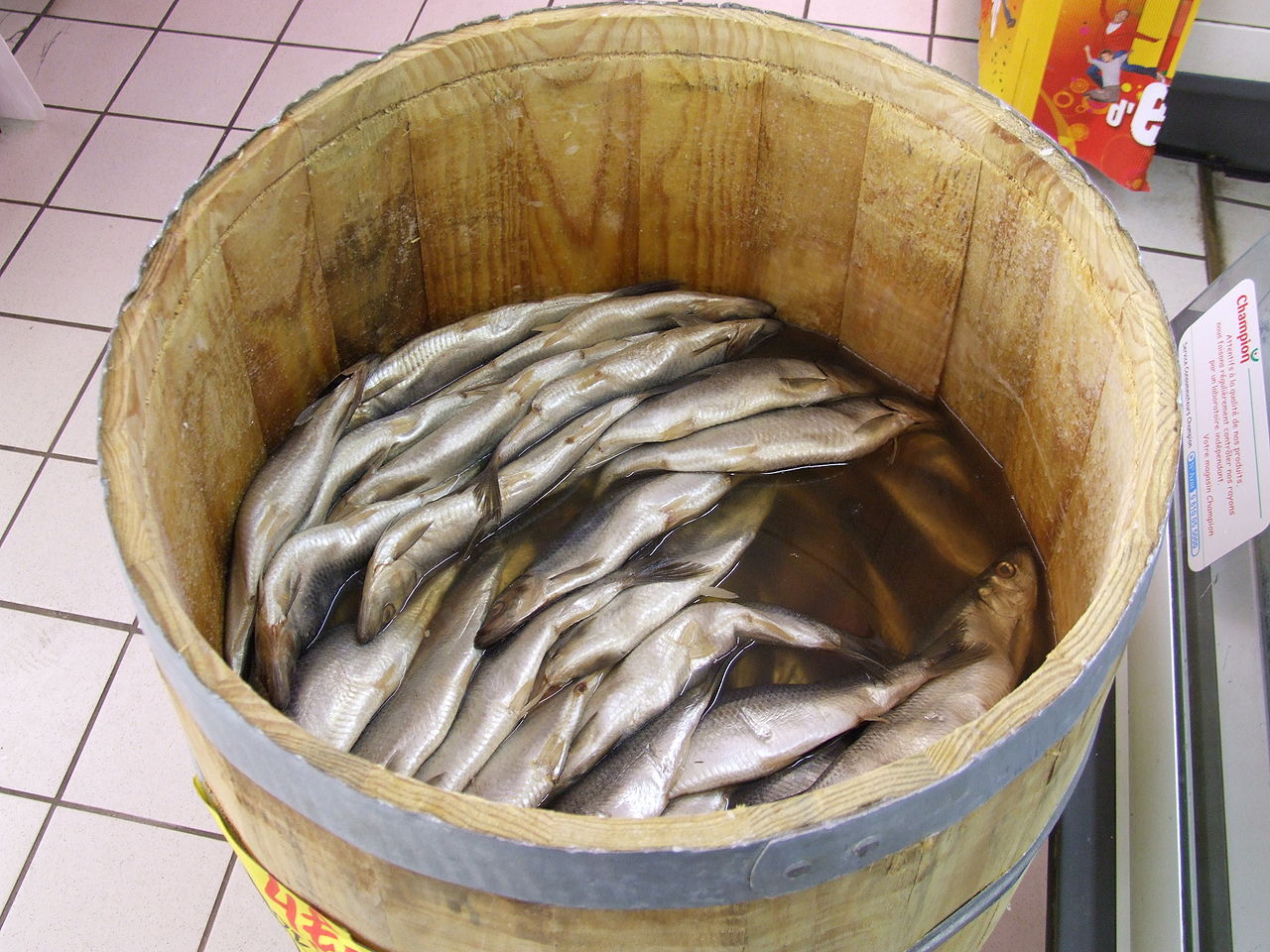


Characteristics and taxonomy
Herrings are streamlined and laterally compressed, with silvery scales that reflect light to confuse predators. They feed mainly on plankton using fine gill rakers to filter small crustaceans and copepods. Taxonomically they are part of a diverse group of clupeid fishes; references often note multiple herring species and regional populations with distinct life histories. The Atlantic herring (often cited in literature) is one of the best-known examples.
Behavior and migration
One of the most striking behaviors of herring is their tendency to form large, coordinated groups known as schools. These aggregations offer protection from predators and improve foraging efficiency. Seasonal movements and long-distance migrations are common, with adults traveling to spawning grounds and feeding areas; additional context on movement patterns can be found under general migration studies (migration) and social swimming behaviors (shoaling and schooling).
Human uses and culinary traditions
Humans have harvested herring for centuries. They are versatile in the kitchen and preserved in many ways: smoking, pickling, salting, and canning are traditional methods used to extend shelf life and create regional specialties. Herring fisheries have also supported coastal communities and large fishing industries. Typical uses include:
- Smoked and salted products consumed locally or exported.
- Pickled herring dishes common in Northern and Eastern Europe.
- Industrial uses such as fish meal and oil, supporting aquaculture and livestock feed.
History, management and conservation
Historically, herring stocks have experienced boom-and-bust cycles driven by fishing pressure, environmental change, and population dynamics. Sustainable management, scientific assessment, and international cooperation play important roles in maintaining stocks and the fisheries that depend on them. Local regulations and quotas aim to balance human use with ecosystem needs.
Cultural references and notable distinctions
Herring appear in folklore, art, and language. A familiar metaphor derived from their cultural presence is the "red herring," a term for a misleading clue or distraction; in literary contexts this plot device is frequently discussed as the red herring. For readers seeking broader scientific or culinary information, introductory resources on fish biology (teleost) and fisheries (migration) provide useful background, while species lists and taxonomic treatments can be consulted via dedicated reference links (species, Clupea). A concise primer on group behavior is available under shoaling and schooling, and general discussions of fish as food appear under basic fish cookery and preservation guides.
Related articles
Author
AlegsaOnline.com Herring: biology, behavior, culinary uses and cultural significance Leandro Alegsa
URL: https://en.alegsaonline.com/art/43884