
Kalasha (Kalash): the sacred Hindu pot — form, symbolism and uses
A kalasha (Sanskrit kalaśa) is a metal pot used in Hindu rites: an emblem of abundance, purity and welcome, often filled with water and crowned by leaves and a coconut.
The kalasha, also spelled kalash, is a ritual pot whose name comes from the Sanskrit term kalaśa, meaning pitcher or pot. It is typically a metal vessel (metal) with a broad base and a relatively narrow neck, sized to hold offerings and often large enough to contain a coconut placed on its mouth. Traditional examples are made of brass, copper, silver or gold, and the material can signify regional practice or the ritual's importance.
Image gallery
6 Images


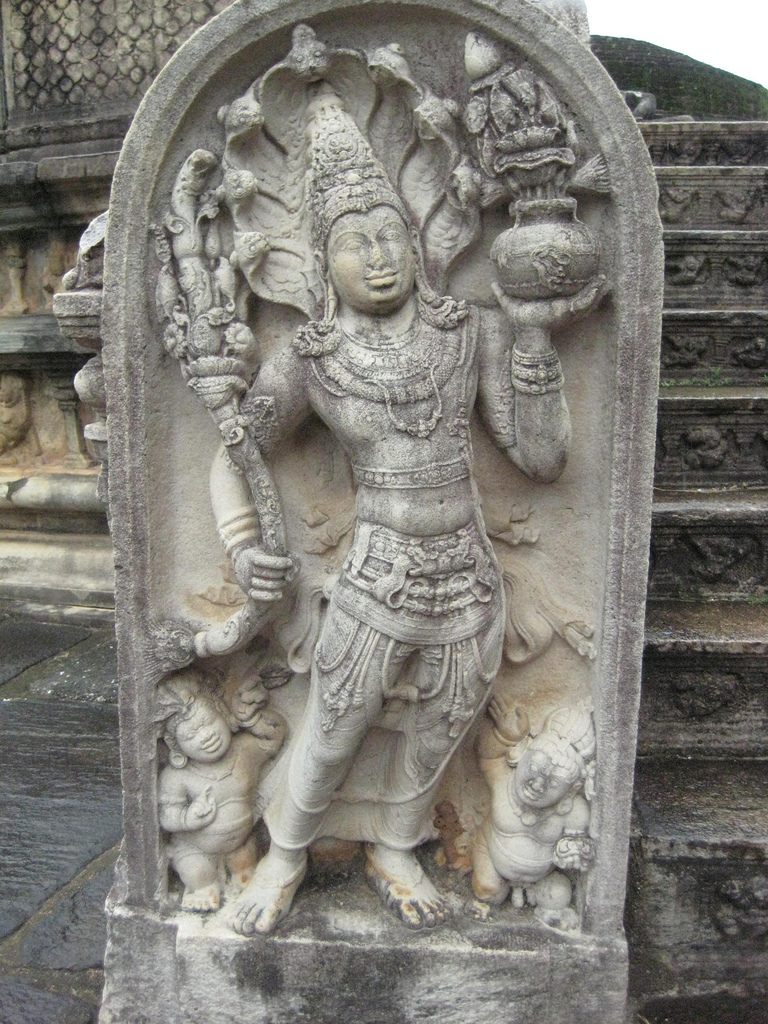
Form and components
A conventional kalasha is a simple pot, sometimes decorated with incised designs, paint, or a vermilion mark. In ceremonial use it is commonly filled with water (water) and topped with a coronet of mango leaves and a coconut; this assembled arrangement is itself called a kalasha or puja vessel. The narrow mouth helps secure the coconut and leaves while the bulbous body holds liquids or grains.
Symbolism and meaning
Across many Hindu traditions the kalasha represents abundance, auspiciousness and the source of life. It is interpreted as a container of prosperity and as an emblem of divine presence during rites. A filled kalasha may be viewed as a representation of the cosmic womb, the elements, or a deity invoked for blessings at the start of a ceremony.
History and development
Vedic and post‑Vedic texts and temple practices show the kalasha in long use as part of consecration rites, seasonal festivals and household ceremonies. Its precise form has varied by region and period, but the essential idea — a vessel that stores and offers life‑giving substances — has remained consistent. Over centuries artisans adapted materials and decorative styles to local tastes while the ritual function stayed central.
Uses and occasions
- Religious rites: installed at the start of puja, homa (fire rituals), and consecrations, invoking divine presence (Hindu worship).
- Ceremonial life events: weddings, housewarmings and naming ceremonies often feature a kalasha as a mark of blessing.
- Festivals and public rituals: used in processions, temple ceremonies and agricultural observances to symbolize fertility and good fortune (combination of elements).
Variations and related practices
Regional variants alter materials, size and decoration. Some kalashas are simple household pots, others are engraved metalworks used in temples. In many rituals the filled pot is ritually sanctified and may be carried, placed at thresholds or set near altars; in other contexts a painted or clay version serves as a temporary emblem. The practice of crowning the pot with leaves and a coconut also connects the kalasha to local plant symbolism and seasonal cycles.
Notable facts and distinctions
While the kalasha is widely associated with Hindu rites, similar votive or symbolic vessels appear in other South Asian practices and art. It remains a visible sign of welcome and blessing in modern ceremonies, and contemporary designers sometimes adapt the form for decorative or commemorative purposes. For further studies of its scriptural mentions, iconography and regional styles, scholars and practitioners consult ritual manuals and archaeological reports (technical description, material notes).
References and further reading can be explored through specialized texts and ritual guides; general introductions are available in cultural overviews and museum catalogues that discuss the kalasha's role in material culture and religious life (copper examples, silver examples, gold examples, brass examples, linguistic notes).
Avoiding modern sensationalism, the kalasha is best understood as a compact symbol woven into domestic and temple practices: a utilitarian vessel elevated to a focal object of ritual meaning and social continuity.
Related articles
Author
AlegsaOnline.com Kalasha (Kalash): the sacred Hindu pot — form, symbolism and uses Leandro Alegsa
URL: https://en.alegsaonline.com/art/51945