
Brass: composition, properties, uses and history
Brass is a copper–zinc alloy valued for its appearance, workability and corrosion resistance. This article surveys its composition, microstructures, history, common types, uses, and distinctions from related alloys.
Overview
Brass is an alloy principally of copper and zinc. Its proportions can be varied to produce a range of mechanical and physical properties, from soft, easily formed sheet to harder, stronger castings. Brass is widely used where a gold-like appearance, good machinability and reasonable corrosion resistance are desirable.
Image gallery
10 Images






Composition and phases
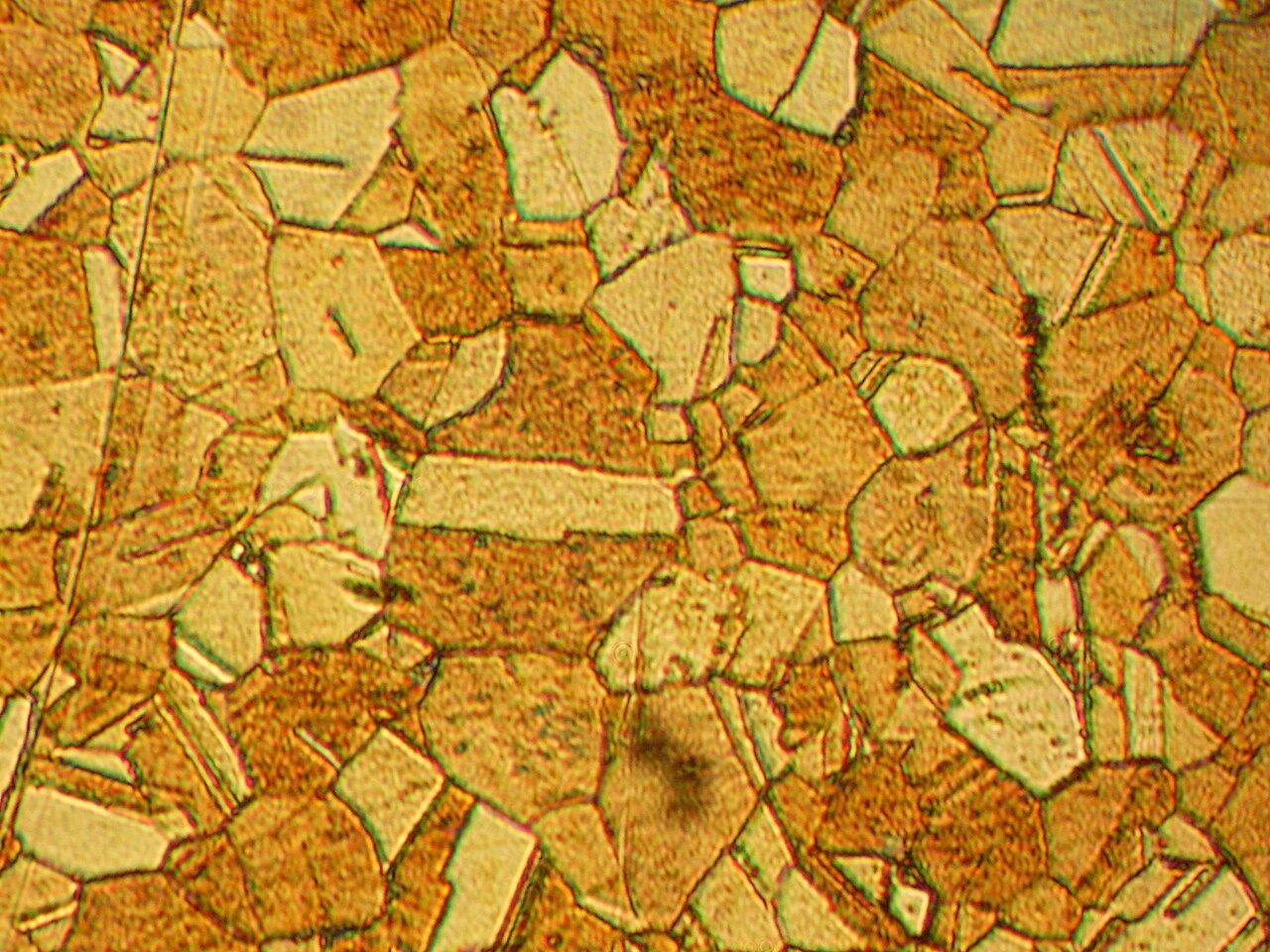
The basic constituents of brass are copper and zinc, but small additions of other elements (such as lead for machinability or tin for corrosion resistance) are common. The microstructure of brass depends on zinc content and processing. Alloys with lower zinc tend to form the alpha phase (typically less than about 40% zinc) that is ductile and easy to cold-work. Higher zinc contents produce the beta phase, which is harder and more suitable for hot working and some cast parts. Alloys with still higher zinc—sometimes called "white brasses"—have different properties and may be more brittle.
Properties
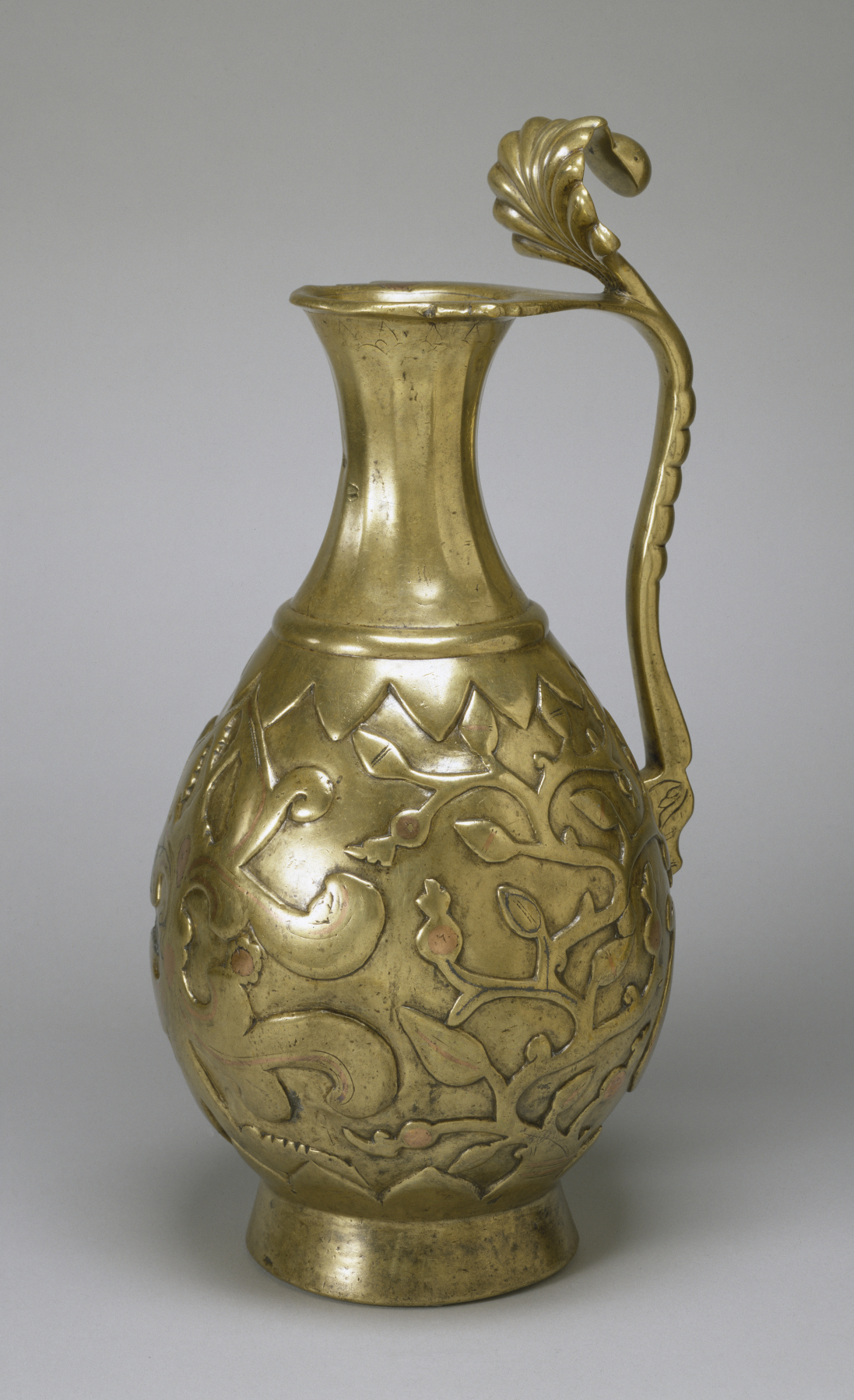
- Appearance: many brasses have a bright, yellow-gold luster that is used decoratively.
- Mechanical: generally stronger and harder than pure copper, with good formability depending on composition.
- Corrosion and wear: brass resists many forms of corrosion but can suffer selective leaching (dezincification) in certain environments; it also tarnishes over time.
- Other: good thermal and electrical conductivity; many brasses are readily machined and cast.
History and production
Brass has been known since antiquity. Historical production used techniques such as cementation (heating copper with zinc ore) and direct alloying with metallic zinc once that metal became available. Roman and later metallurgies refined brassworking for coins, decorative fittings and utilitarian objects. Modern brass is produced by direct alloying, melting, and controlled casting or continuous casting followed by rolling, drawing, forging or machining.
Uses and examples
Brass is versatile: it is used for plumbing fittings, valves, fasteners, hardware, musical instruments (valued for acoustic qualities), electrical connectors, decorative trim and small castings. Leaded brasses improve machinability for turned parts; dezincification-resistant brasses are specified for potable water systems. Its combination of appearance and workability makes brass common in both industrial and artistic applications.
Distinctions and notable facts
Brass is distinct from bronze, which historically refers to copper–tin alloys, although naming has overlapped in some contexts. Brass is generally easier to machine than bronze and often chosen for fittings where appearance matters. The alloy can exhibit antimicrobial effects on surfaces, and some formulations are engineered to resist corrosion or to be readily soldered or brazed. For more technical details about composition, performance and standards, consult materials references and supplier data sheets via links such as corrosion resources.
Further reading and standards are available through metallurgy texts and manufacturers; technical data will indicate recommended grades, forming and heat treatment practices, and environmental limitations. See also manufacturer guides and industry standards for specific alloy numbers and applications: zinc-related resources.
Questions and answers
Q: What is brass?
A: Brass is an alloy of copper and zinc.
Q: What is the appearance of brass?
A: Brass has a golden appearance.
Q: Is brass harder than pure metals?
A: Yes, brass is harder than pure metals.
Q: Does brass resist corrosion?
A: Yes, brass resists corrosion.
Q: Is brass more expensive than zinc?
A: Yes, brass costs more than zinc.
Q: What are some common types of brass?
A: Some common types of brass include alpha brasses and white brasses.
Q: What are some things that brass can be used to make?
A: Brass can be used to make various things, but some examples include musical instruments, decorative objects, and hardware.
Related articles
Author
AlegsaOnline.com Brass: composition, properties, uses and history Leandro Alegsa
URL: https://en.alegsaonline.com/art/13750