
Juglandaceae (Walnut Family): characteristics, genera, distribution, and uses
Juglandaceae, the walnut family of trees and shrubs in the order Fagales, includes walnuts, hickories and pecans. Known for pinnate leaves, nut-like fruits, valuable timber, and allelopathic compounds.
Overview
The Juglandaceae, commonly called the walnut family, is a small group of mainly woody plants — trees and occasionally shrubs — placed in the order Fagales. Members of this family are widespread in temperate and subtropical regions of the Northern Hemisphere and parts of the Americas. Many species are valued for edible nuts, high-quality timber and ornamental planting.
Image gallery
7 Images



Characteristics
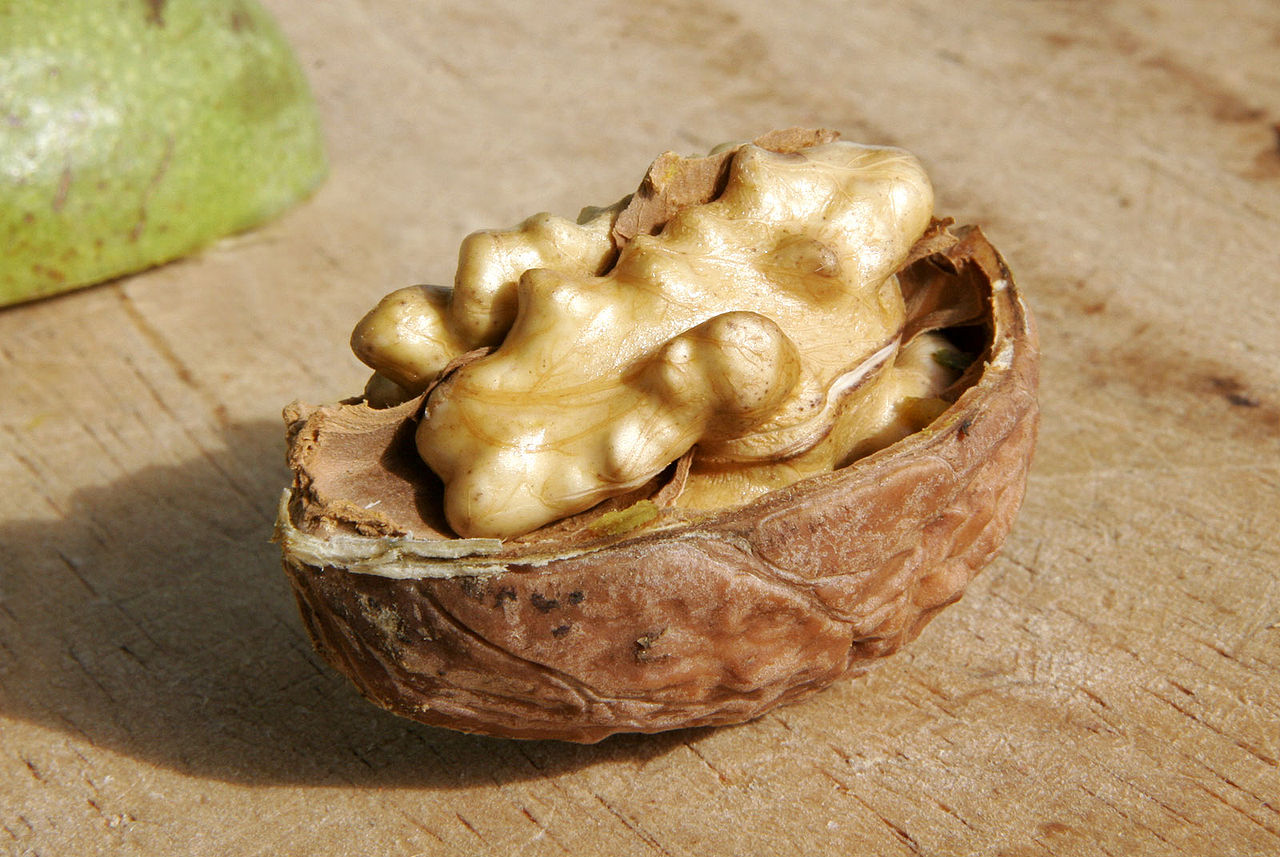
Plants in the Juglandaceae typically have pinnately compound leaves (sometimes ternate) that can be conspicuously large and alternate along the stem; a reader can see general leaf structure and variation at leaf morphology resources. Flowers are usually unisexual and arranged in catkins or small clusters; most species are wind-pollinated. The fruit is often a single-seeded nut enclosed in a fleshy or coriaceous husk, and many species produce aromatic or chemically active compounds in their tissues, including juglone, which affects neighboring plants.
Taxonomy and notable genera
The family is conventionally treated as containing about eight genera and several dozen species. The best-known genera include:
- Juglans — the walnuts, notable for edible kernels and durable timber.
- Carya — the hickories and pecans; this group includes the cultivated pecan (Carya illinoinensis), prized for its nuts and oil-rich seeds.
- Other Carya representatives often marketed as hickory timber and smokewood used in cooking.
- Additional genera (for example, Pterocarya and Engelhardia) contribute to the family’s botanical diversity and regional ranges.
Distribution, ecology, and history
Juglandaceae species occur chiefly across temperate Asia and North America, with some taxa extending into Central and South America and parts of tropical Asia. They commonly occupy riparian and mixed hardwood forests. The family has an ample fossil record that indicates an ancient and once broader distribution, with representatives evident in Cenozoic floras; fossil evidence helps trace the group’s biogeographic history and diversification after the Cretaceous.
Uses and economic importance
Several members support important human uses. Walnuts and pecans are cultivated widely for their edible nuts and trade value; walnut and hickory timbers are prized in furniture, veneer and tool handles for their strength and attractive grain. Some species serve as urban or park ornamentals. At the same time, chemical compounds produced by certain trees — notably juglone from black walnut — create allelopathic effects that gardeners and foresters must manage.
Conservation and cultivation notes
Many cultivated Juglandaceae species are amenable to managed orchards or plantations, but wild relatives may face habitat loss and pressure from pests and diseases. Sustainable management emphasizes genetic diversity in breeding, protection of native stands, and attention to soil and pollination needs for successful nut production. For general family information, see a family overview page at Walnut family resource.
For further reading on morphology and identification consult botanical keys and surveys, and for commercial cultivation see practical guides to walnut and pecan horticulture available through agricultural extensions and specialist publications (Juglans, pecan).
Related articles
Author
AlegsaOnline.com Juglandaceae (Walnut Family): characteristics, genera, distribution, and uses Leandro Alegsa
URL: https://en.alegsaonline.com/art/51457