
Fagales — the order of beeches, oaks, birches and allied plants
Fagales is an order of woody flowering plants that includes beeches, oaks, birches, walnuts and related families; important ecologically and economically in temperate forests worldwide.
Overview
Fagales is a botanical order of mostly woody plants that belongs to the larger rosid assemblage of dicotyledons. It is best known for trees and shrubs within temperate forests and woodlands. The name derives from the beech genus Fagus, and botanists often treat the group as an order of flowering plants notable for their ecological dominance in many landscapes and for providing familiar timber and nut-bearing species. Many members are also among the most commonly encountered trees in parks and natural forests.
Image gallery
4 Images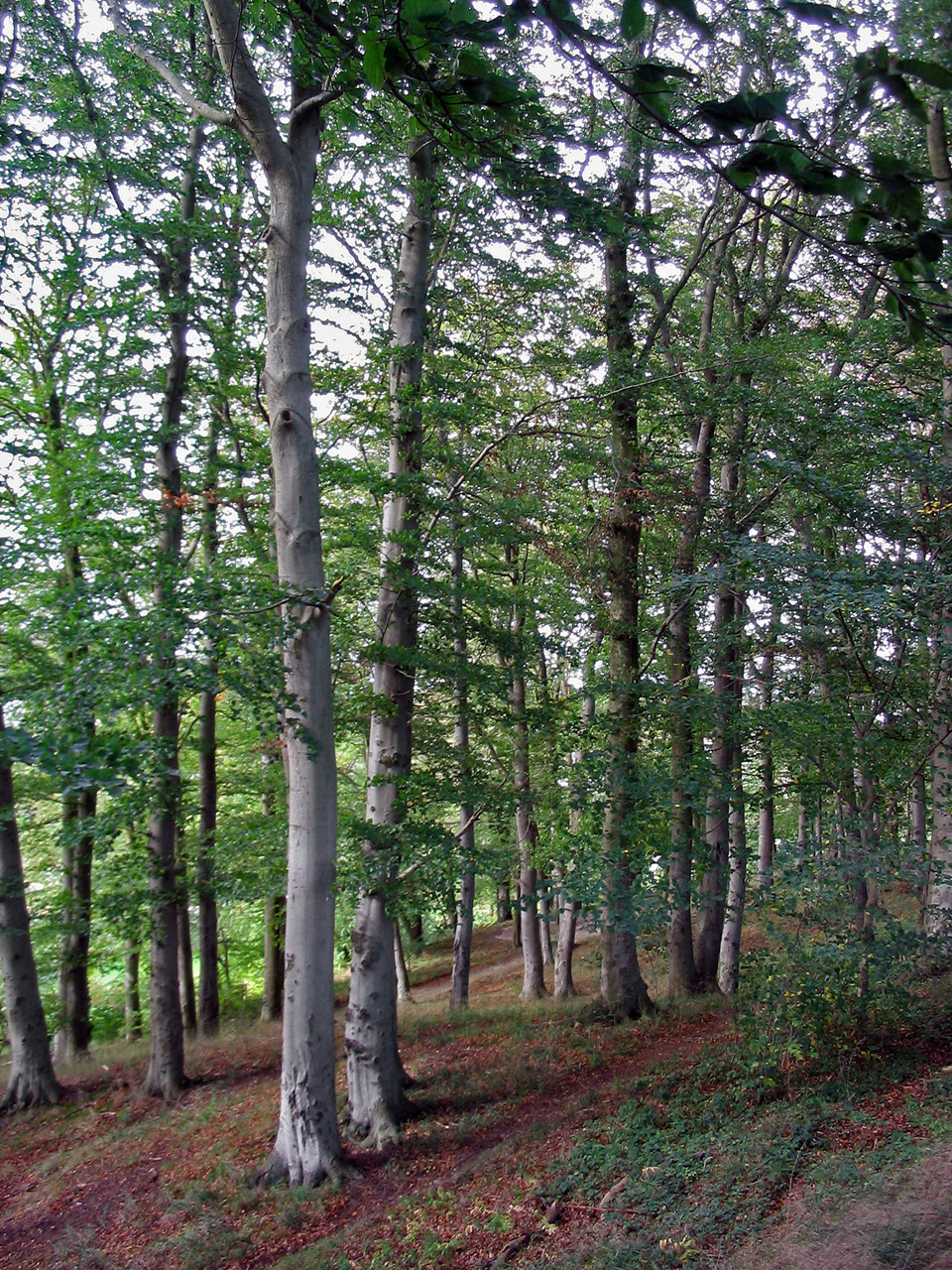


Characteristics
Members of Fagales are typically trees or shrubs with simple leaves, often alternately arranged. Many species produce unisexual flowers that are small and adapted for wind pollination; catkins or other reduced inflorescences are common. Fruits vary by family and include nuts (acorns of oaks), drupes, and winged samaras; some groups form distinctive protective structures such as the cupule of oaks and beeches. Wood anatomy, pollen morphology and molecular data are used together to define the order today.
Families included
- Betulaceae — birch, alder and hazel family
- Fagaceae — beeches, oaks and chestnuts
- Juglandaceae — walnuts and hickories
- Nothofagaceae — southern beeches, largely southern-hemisphere
- Casuarinaceae — she-oaks and relatives (woody plants with reduced leaves)
- Myricaceae — bayberries and related aromatic shrubs
- Rhoipteleaceae — a small family sometimes treated within other groups
- Ticodendraceae — a narrow lineage with limited distribution
Evolution and distribution
Fagales have an extensive fossil record and are thought to have diversified while flowering plants were becoming widespread. Today they are most abundant in temperate regions of the Northern Hemisphere, where families such as the Fagaceae and Betulaceae form the backbone of many forests, but the order also includes southern lineages (for example Nothofagus) and families with centers of diversity in Australasia and tropical regions. Molecular studies have refined relationships among the families and clarified several small or isolated lineages.
Uses, ecology and notable facts
Species in the order are economically and ecologically significant. They supply timber, fuelwood and tannins; many produce edible nuts (walnuts, hazelnuts, chestnuts, acorns historically used for livestock). As dominant canopy trees, they shape habitats, influence soil chemistry, and support diverse animal and fungal communities. Some families include ornamental species widely planted in urban landscapes. Conservation concerns include habitat loss, pests and diseases that threaten emblematic genera such as oaks and beeches.
Distinctions: although united by several shared features, Fagales families differ markedly in fruit type, leaf form and reproductive biology, which is why family-level classification remains important for identification and ecological study. For further introductory reading see links above.
Related articles
Author
AlegsaOnline.com Fagales — the order of beeches, oaks, birches and allied plants Leandro Alegsa
URL: https://en.alegsaonline.com/art/33219