
Walnut (Juglans) — trees, wood, and edible nuts
Walnut (genus Juglans) are temperate trees grown for hardwood timber and edible nuts. This article covers their appearance, range, uses (wood, food, oil), ecological traits and cultural importance.
Walnut refers to trees in the genus Juglans, a group of deciduous trees and large shrubs native to temperate parts of the northern hemisphere. Walnut species vary in size but many reach 10–40 metres in height. They are valued both for their dense, dark hardwood and for the edible seed commonly called the walnut. The trees are familiar components of managed orchards, timber plantations and mixed forests.
Image gallery
10 Images


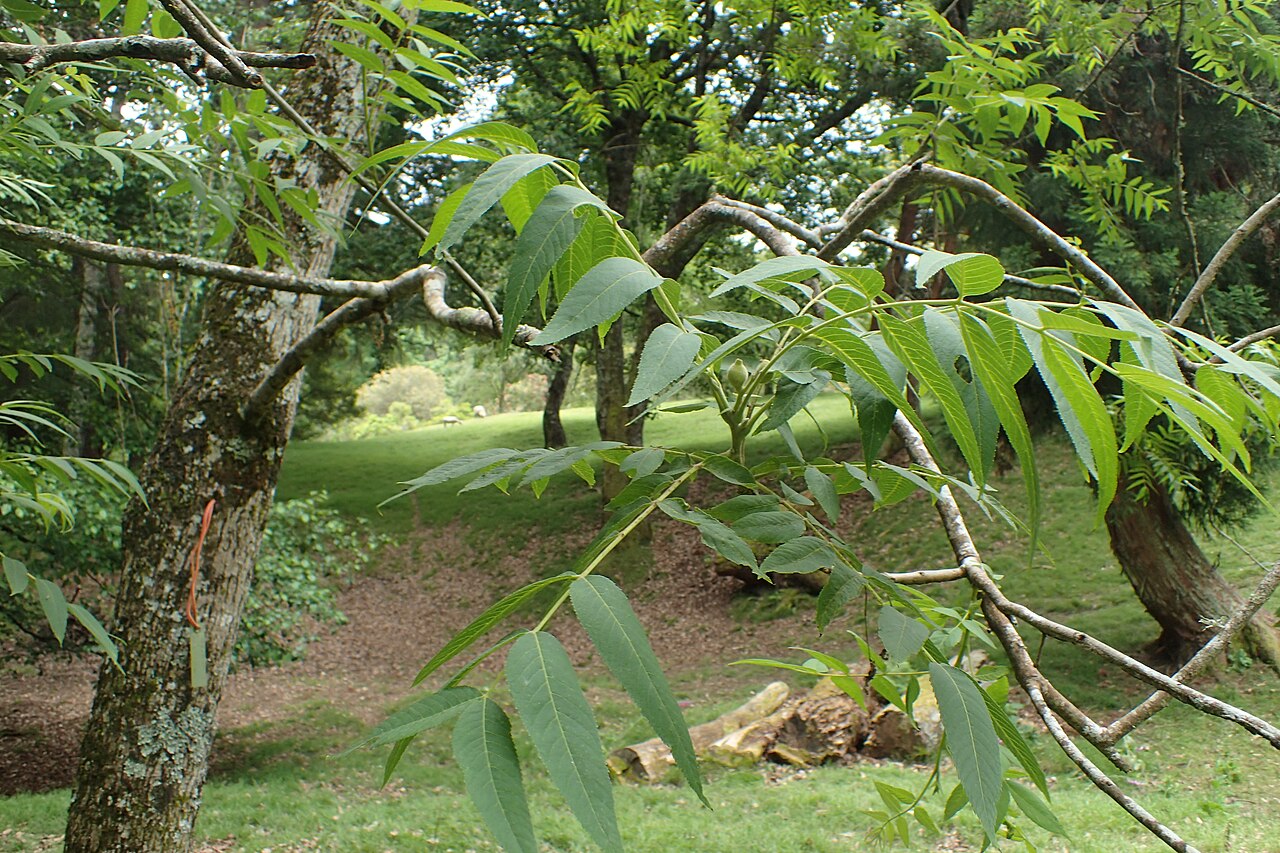


Characteristics
Walnuts have several notable features that distinguish them from other broadleaf trees. Typical traits include:
- Compound leaves made of many leaflets and a spreading, often pinnate crown.
- Hard, durable timber with a deep brown to purplish hue prized in fine woodworking and furniture making (furniture).
- Fruit that combines a fleshy green husk around a hard, ridged shell which contains the edible kernel; the kernel is rich in oil and flavor.
- Chemicals such as juglone in roots, leaves and hulls that can inhibit some other plants and affect soil chemistry.
Distribution and origins
Walnuts are native across much of the temperate northern hemisphere. Species of Juglans occur from Europe eastwards to the Himalayas and into southwest China, while in the Americas they range widely from southern Canada through parts of the United States and into Central and South America. Different species have been cultivated and moved beyond their original ranges for centuries.
Uses and importance
Walnut trees have long been managed for several practical uses:
- Timber: Walnut wood is strong, stable and attractive, commonly used for cabinetry, veneers and specialty joinery (furniture).
- Food: The edible walnut kernel is eaten raw, roasted or used in baking and confectionery; it is a source of unsaturated fats, protein and other nutrients.
- Oil and extracts: Walnut oil, pressed from the kernels, is used in cooking, salad dressings and some cosmetic applications (oil).
- Traditional uses: Hulls and other parts of the tree have been used historically for dyes, abrasives and, in some Indigenous practices, to stun or catch fish (Native American uses).
Cultivation, ecology and notable facts
Walnuts are grown in orchards and managed woodlots; some species are also important for wildlife, providing cover and food. Cultivated varieties such as the English or Persian walnut are selected for large, easy-to-shell kernels, while other species like black walnut are often more valued for timber. Because of allelopathic compounds (e.g., juglone), walnuts can suppress sensitive garden plants, so site planning is important. For more botanical detail see the genus page at Juglans and regional sources (plants). Additional reading on timber use and cultivation appears in resources on woodworking and horticulture (fruit, oil, southwest China).
Walnuts combine ecological, nutritional and economic roles: they are both a fruit crop and a source of high-quality wood, and they have played parts in cuisine, craft and traditional practices around the world.
Related articles
Author
AlegsaOnline.com Walnut (Juglans) — trees, wood, and edible nuts Leandro Alegsa
URL: https://en.alegsaonline.com/art/106323