
Aquaculture: farming of fish, shellfish, and aquatic plants
Overview of aquaculture: methods, main species, history, benefits, environmental concerns and management practices for farming aquatic organisms.
Aquaculture is the controlled cultivation of aquatic organisms for food, materials and other uses. It includes the production of fish, shrimp, oysters, algae and many other species that together are commonly called seafood. Aquaculture may occur in freshwater, brackish or marine environments and can range from small household ponds to large industrial operations. The activity is often described simply as farming of aquatic life and serves both local and global markets.
Image gallery
10 Images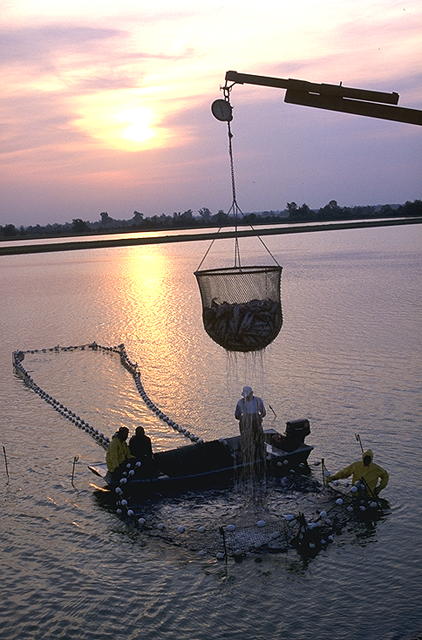




Characteristics and production systems
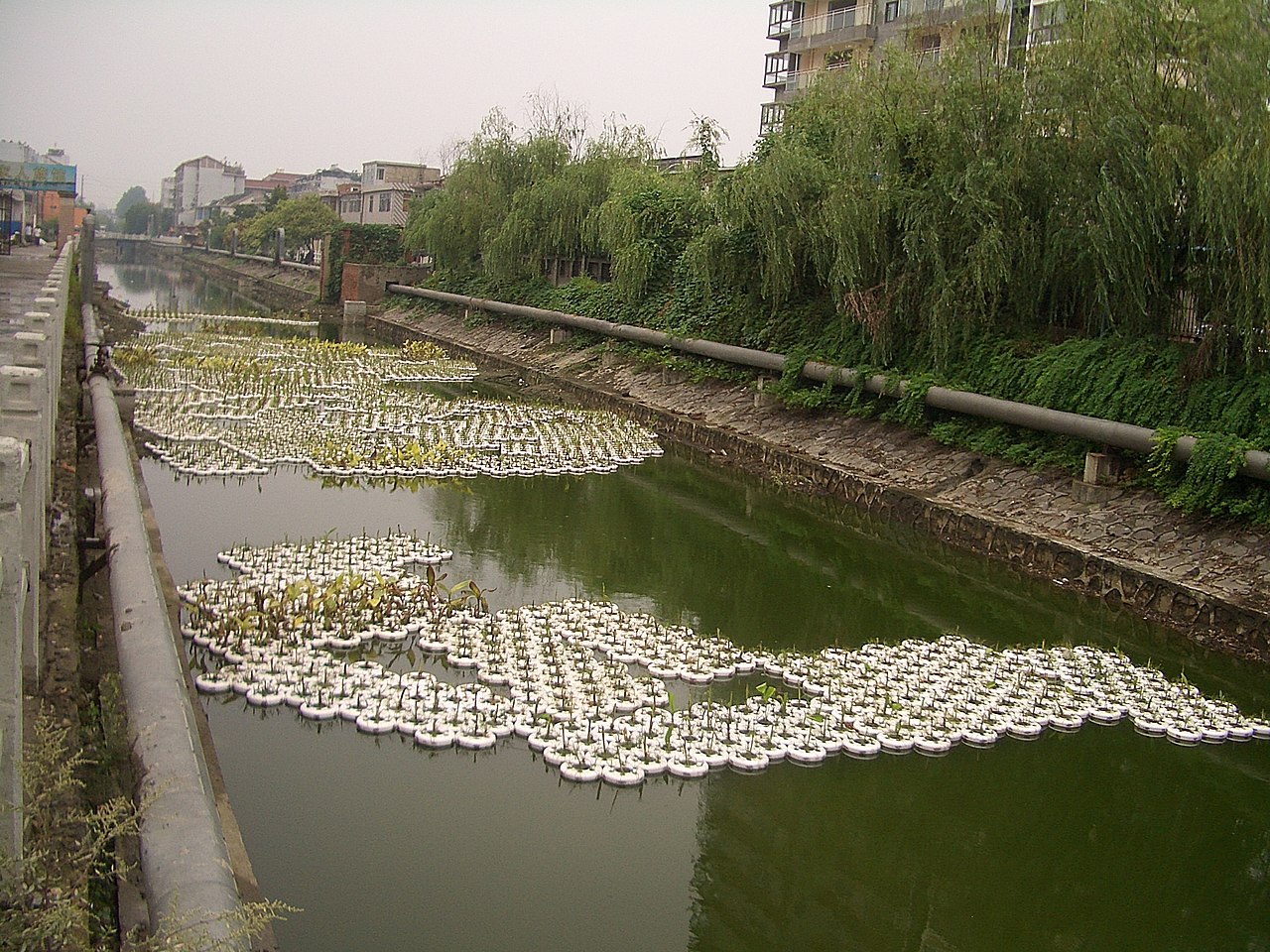
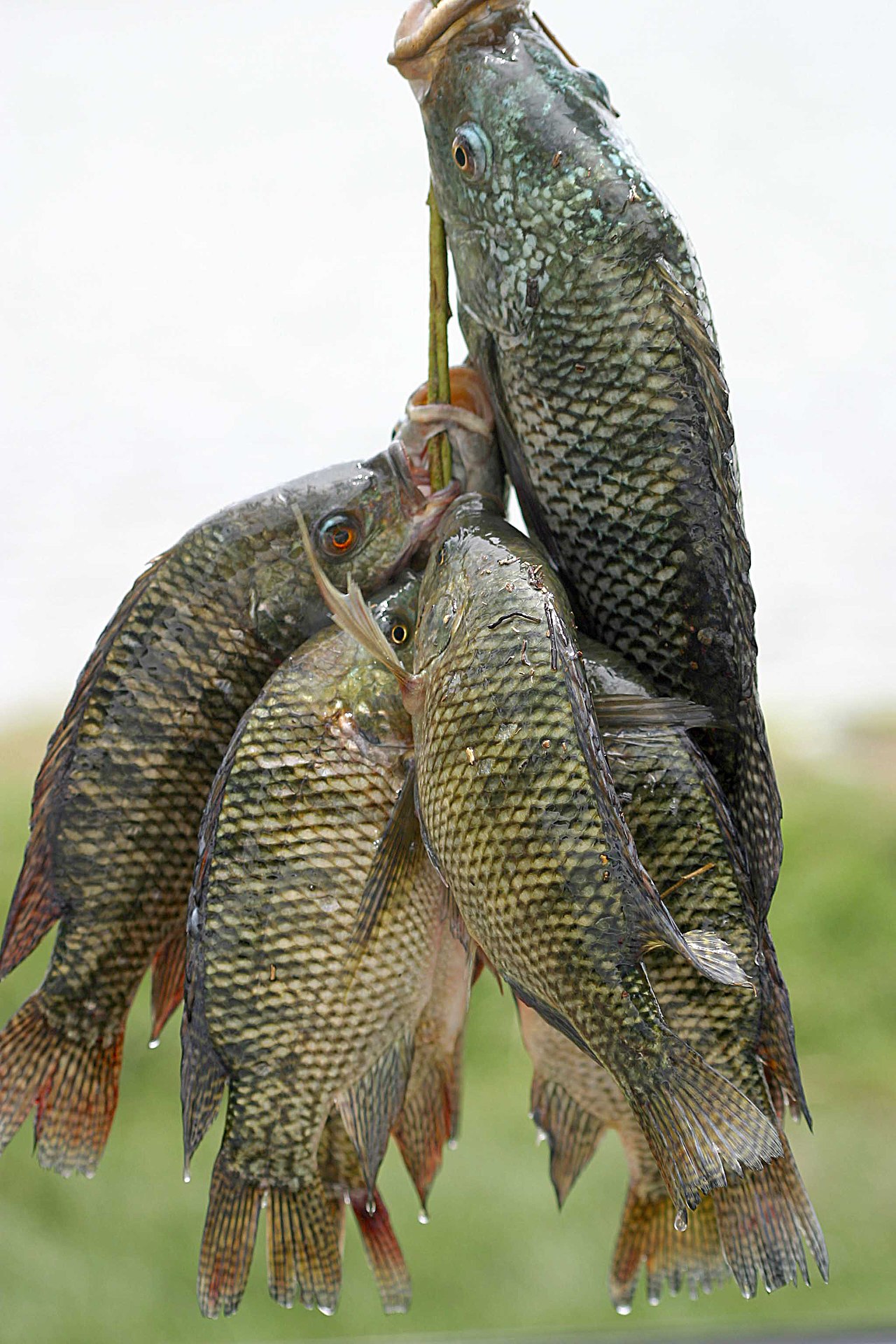
Aquaculture systems vary by species, scale and technology. Common systems include earthen ponds, floating sea cages, coastal racks for shellfish, longlines for seaweed, and land-based recirculating aquaculture systems (RAS) that treat and reuse water. Production also differs by target organism: finfish (for example, catfish, salmon, and trout), crustaceans (shrimp and prawns), molluscs (oysters, mussels, clams) and various cultivated algae. Each system has distinct inputs, husbandry practices and infrastructure requirements such as feed supply, stocking, water exchange and harvest logistics.
History and development
The practice of cultivating aquatic species has ancient roots. Some of the earliest records come from East Asia, where communities in China developed carp pond culture and selective breeding centuries ago. Ornamental breeds such as the goldfish trace their origins to carp management centuries ago. In other regions, the Roman Empire maintained coastal and freshwater installations to grow and fatten shellfish and other items. Over the 20th and 21st centuries, technological advances, intensification and improved hatchery methods led to rapid expansion of aquaculture to meet growing demand for aquatic protein.
Uses, importance and examples
Aquaculture contributes to food security, rural employment and trade. Farmed seafood supplies markets for fresh and processed products, supports feed and processing industries, and provides livelihoods in coastal and inland communities. Examples include pond-cultured catfish in some regions, coastal salmon cage farms, intensive shrimp farms, rope-grown seaweeds and intertidal oyster beds. Aquaculture also supports non-food uses such as aquarium species, restocking of depleted populations and biomass for industrial or pharmaceutical uses.
Environmental impacts and management
The environmental consequences of aquaculture depend heavily on species, method and site. Potential issues include nutrient and chemical pollution, habitat conversion (mangroves, wetlands), disease transfer to wild populations, genetic impacts from escaped farmed organisms, and dependence on wild fish for feed in some systems. Good management and technological solutions can reduce such impacts: careful site selection, improved feeds with less wild fish input, biosecurity measures, integrated multi-trophic aquaculture (IMTA), and closed or recirculating systems that minimize discharge. Certification schemes and regulatory frameworks aim to encourage best practices.
Distinctions and notable facts
- Farmed species differ from capture fisheries: aquaculture produces a growing share of global seafood consumed in many countries.
- Systems range from low-tech extensive ponds to high-tech land-based facilities (RAS).
- Some cultured organisms, like shellfish and certain seaweeds, can provide environmental services by filtering water or sequestering carbon.
For further reading on specific species, methods and policy, consult introductory resources on aquaculture practices and regional case studies. The subject intersects ecology, economics and food policy and continues to evolve as technology and market demand change.
Farming overview · Fish species · Shrimp culture · Algae farming · Seafood supply · Catfish examples · Salmon farms · Trout production · Chinese aquaculture · Goldfish history · Carp culture · Roman practices · Oyster farming
Related articles
Author
AlegsaOnline.com Aquaculture: farming of fish, shellfish, and aquatic plants Leandro Alegsa
URL: https://en.alegsaonline.com/art/5083