
Aspartame (E951): properties, uses, history and safety
Aspartame is a low‑calorie artificial sweetener (E951) used as a sugar substitute in foods and beverages. This article summarizes its chemistry, uses, regulation, metabolism and notable safety points.
Overview
Aspartame (often marketed under names such as NutraSweet or branded formulations) is an intense, low‑calorie artificial sweetener identified as E951 in food additives lists. It is a synthetic compound derived from two amino acids rather than from carbohydrates, and it was discovered in 1965 by James M. Schlatter. Because it is many times sweeter than sucrose by weight, only small amounts are required to provide a sweet taste.
Image gallery
3 Images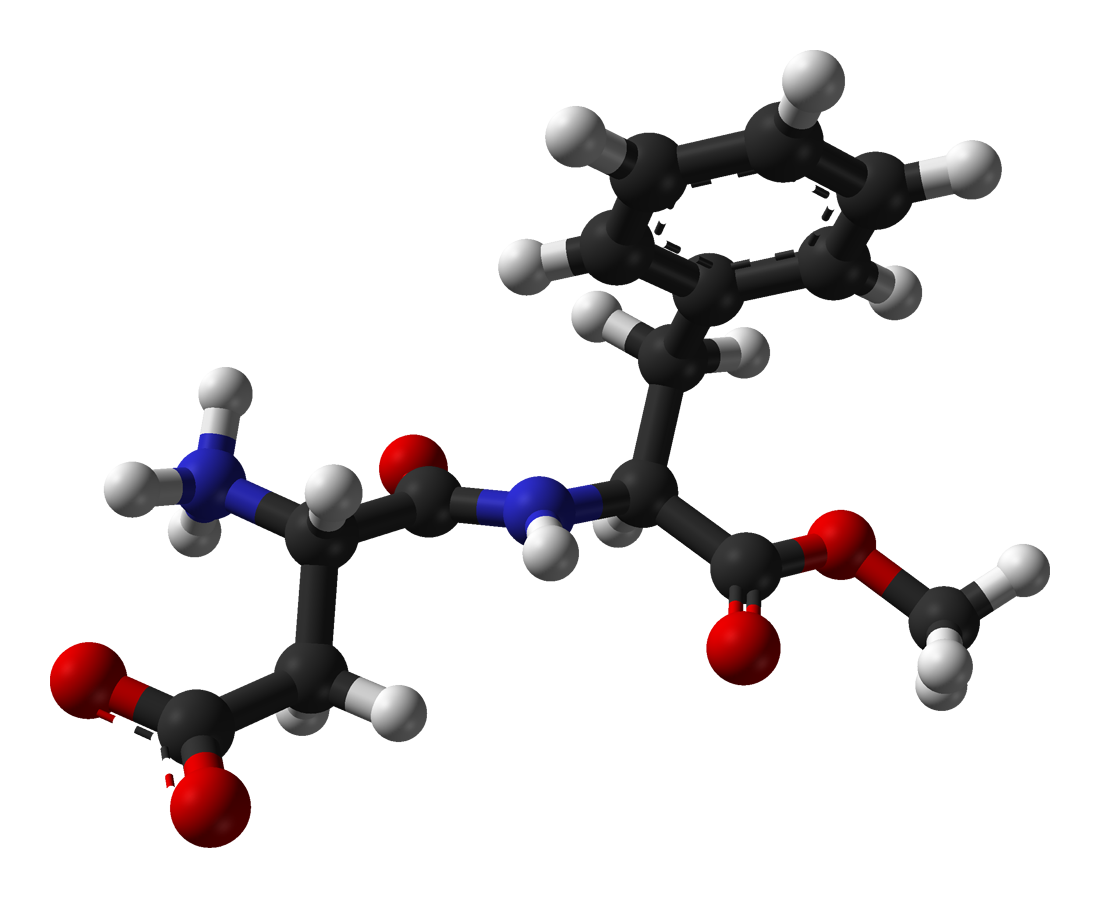


Chemistry and characteristics
Chemically, aspartame is the methyl ester of the dipeptide formed from the amino acids phenylalanine and aspartic acid. When consumed it is digested and metabolized to its constituent amino acids and a small amount of methanol. It has little caloric effect at typical use levels but is not heat‑stable for prolonged high‑temperature cooking, which limits some culinary applications.
Common uses and examples
Aspartame is widely used to replace sugar in soft drinks, tabletop sweeteners, dairy products, sugar‑free desserts and some pharmaceuticals. Manufacturers choose it where a sugar‑like taste is wanted without the full caloric contribution of sugar. For further product information see manufacturer guidance and for general comparisons with sugars see sugar substitutes.
- Soft drinks and powdered drink mixes
- Low‑calorie yogurts and desserts
- Tabletop sweetener packets
- Some medicines and vitamin preparations
Safety, regulation and metabolic notes
Regulatory authorities in many regions have evaluated aspartame and authorized its use within established limits. It is broken down in the body to phenylalanine, aspartic acid and methanol; because of the phenylalanine content, products containing aspartame are required to carry warnings for people with phenylketonuria (PKU). Health agencies continue to monitor research, and consensus statements indicate that aspartame is safe for the general population when consumed below recommended intake guidelines.
History and distinctions
Aspartame was discovered accidentally in 1965 while researchers were investigating peptide compounds. Its taste profile is generally described as closer to sugar than some older sweeteners. It differs chemically and organoleptically from saccharin and other artificial sweeteners; see a comparison with saccharin here. Historical and regulatory notes are available from original discovery accounts and food additive records source summaries.
Notable facts and considerations
Consumers choosing alternatives to sugar weigh factors such as heat stability, aftertaste, caloric goals and medical conditions. Aspartame is a common option when a sugar‑like flavor is desired in cold or room‑temperature products; people with PKU must avoid it. For consumer guidance and product labeling practices consult industry and regulatory resources manufacturer information or public health summaries on sugar replacement.
Related articles
Author
AlegsaOnline.com Aspartame (E951): properties, uses, history and safety Leandro Alegsa
URL: https://en.alegsaonline.com/art/6669
Sources
- nutrition.org.uk : nutrition.org