
Algae: diversity, ecology, and human uses
An introduction to algae: their biological features, evolutionary origins, ecological roles, major groups, and practical uses including food, industry and environmental applications.
Overview
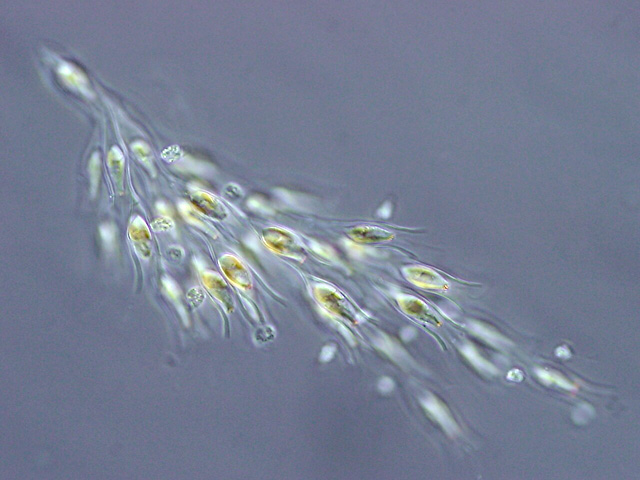
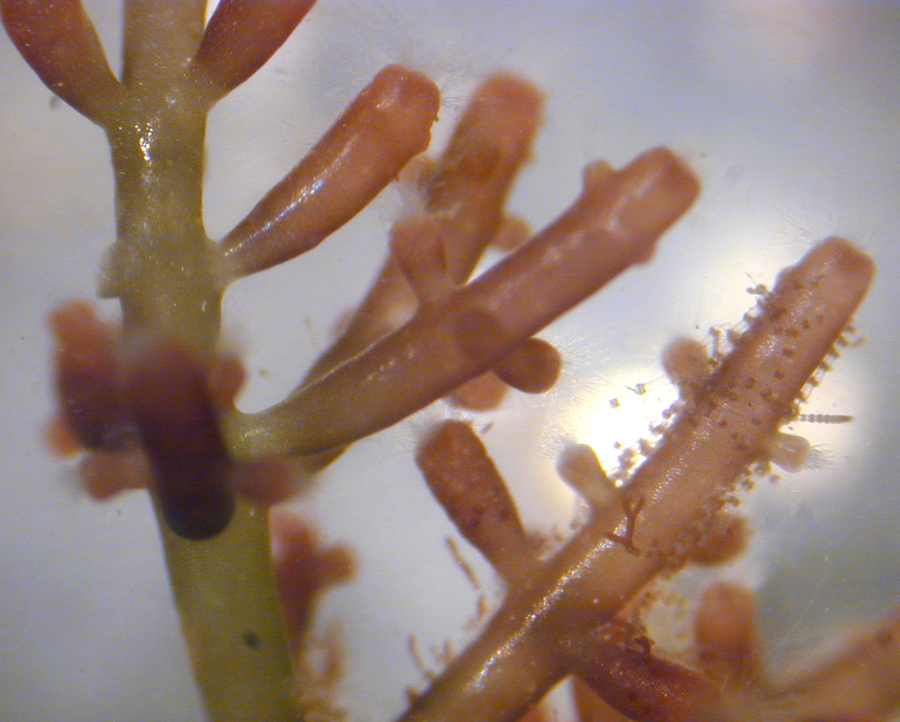
Algae are a varied collection of photosynthetic organisms found in aquatic and moist terrestrial environments. They range from single-celled microalgae that float in plankton to large multicellular seaweeds such as kelps. While often described as "plant-like," algae are not a single evolutionary lineage; the label groups many kinds of organisms that share the ability to harness sunlight to produce organic matter.
Image gallery
10 Images




Characteristics
Common features include the presence of pigments (chlorophyll and others), the use of light to drive photosynthesis, and the production of energy-rich organic compounds from inorganic precursors. Many algae contain plastids similar to those found in land plants. They are generally autotrophic and lack the complex vascular tissues of terrestrial plants, so they are often described as non-vascular organisms. Life forms, size, and reproduction modes differ widely: some reproduce mainly by simple cell division, while others have complex life cycles with sexual reproduction and alternation of generations.
Groups and distinctions
Major groups frequently discussed are green algae (Chlorophyta), red algae (Rhodophyta), brown algae (Phaeophyceae), and diverse groups of microalgae such as diatoms and dinoflagellates. Terminology can be confusing: for example, cyanobacteria are often called "blue-green algae" even though they are photosynthetic bacteria rather than true algal eukaryotes. Because these groups do not share a single common ancestor exclusive to them, algae are considered a polyphyletic assemblage rather than a formal taxonomic unit.
Evolution and study
The evolutionary history of algal lineages stretches deep into Earth's past. Fossil and molecular evidence suggest photosynthetic eukaryotes with plastids appeared more than a billion years ago. Many modern algal plastids trace their origin to cyanobacteria via primary endosymbiosis, and some groups later acquired plastids through secondary endosymbiosis, making their evolutionary pathways complex. The scientific study of algae is known as phycology, and it draws on botany, microbiology, and ecology to understand these organisms' biology and relationships.
Ecological roles and human uses
Algae are foundational to aquatic food webs: as primary producers they convert sunlight into biomass that sustains animals and microbes, and they contribute substantially to global oxygen production. They are used directly by humans as food (for example nori and other seaweeds), dietary supplements (spirulina), and as raw material in industry for thickeners and fertilizers. Algal cultivation is explored for biofuels, carbon capture, and wastewater treatment. However, some algal blooms can produce toxins and cause ecological and economic damage, a phenomenon known as harmful algal blooms.
Further information and notable facts
Because "algae" is a convenience term rather than a precise taxonomic category, discussions about algae often emphasize ecological function, morphology, or biochemistry rather than strict evolutionary relationships. For accessible introductory material see resources on plants, photosynthesis, and the geological timeline such as the Mesoproterozoic. For cellular and molecular perspectives, topics like plastids and their bacterial origins in cyanobacteria are central to understanding how algal diversity arose. Researchers and resource managers use these perspectives to balance conservation, commercial use, and public health concerns.
Questions and answers
Q: What is the study of algae called?
A: The study of algae is called phycology or algology.
Q: Are all types of algae closely related?
A: No, the term covers different groups and they are not all closely related. They are a polyphyletic group.
Q: How old are algae?
A: Algae are very ancient and existed long before other types of plants. They date back to the Mesoproterozoic, over a thousand million years ago.
Q: Do all types of algae use plastids?
A: Yes, they all seem to use plastids which originate in cyanobacteria.
Q: How do algae make food?
A: Algae make food from sunlight by photosynthesis.
Q: What do all types of algae have in common?
A: All types of algae have in common that they are autotrophic; they use natural sources of energy and simple inorganic materials.
Q: What distinguishes land plants from non-vascular plants such as algae?
A: Non-vascular plants such as algae do not have the structure that land plants have, so this is what distinguishes them from one another.
Tags
Related articles
Author
AlegsaOnline.com Algae: diversity, ecology, and human uses Leandro Alegsa
URL: https://en.alegsaonline.com/art/2525
Sources
- amjbot.org : "Diversity and evolutionary history of plastids and their hosts"
- doi.org : 10.3732/ajb.91.10.1481
- pubmedcentral.nih.gov : "Evaluating support for the current classification of eukaryotic diversity"
- doi.org : 10.1371/journal.pgen.0020220
- ncbi.nlm.nih.gov : 1713255
- pubmed.ncbi.nlm.nih.gov : 17194223