
Goldfish (Carassius auratus): Biology, Varieties, and Care
An accessible overview of the goldfish—its biology, history of domestication, common varieties, behaviour and practical care advice for aquariums and ponds.
Overview
The goldfish (Carassius auratus) is a small member of the carp family, widely kept as a pet and ornamental fish. As a domesticated species, it has been selectively bred for color, body shape and finnage from wild cyprinids. Goldfish belong to the Carp family, Cyprinidae, and their origin of domestication traces back to China; historical records indicate purposeful breeding began during the Tang dynasty and became more widespread in later dynasties (domestication history).
Image gallery
10 Images




Physical characteristics and lifespan
Wild-like relatives are typically silvery and streamlined, while captive goldfish display a broad palette of colors including gold, red, white, and black, and a range of body forms from slender to deep-bodied with ornamental tails. Large specimens in favorable conditions may grow substantially — some individuals can exceed 50 cm and weigh several kilograms (size and weight) — though most pet goldfish remain much smaller. Under good care many goldfish live for decades, with well-kept pond or aquarium fish sometimes reaching 20–30 years.
Behaviour, cognition and environmental needs
Goldfish are social, active swimmers that require space and clean water. They are cold-tolerant compared with tropical aquarium species and prefer temperate ranges; typical comfortable temperatures fall in a broad span around 10–30 °C, depending on the variety and acclimation. Contrary to an old myth that goldfish have only a few seconds of memory, experiments and training demonstrations have shown they can learn tasks, recognize feeding routines and navigate simple mazes (memory myth, learning studies). They also need room to swim freely and avoid rapidly fouling the water (space and water quality).
Varieties
Selective breeding has produced a wide array of goldfish forms. Common types include the streamlined 'common' and 'comet', and fancy types such as the fantail, oranda, ranchu, bubble eye and black moor. Each variety shows different requirements for tank mates, swimming ability and care; a concise guide to named forms can help owners choose an appropriate fish (variety guide). Goldfish are among the most varied of aquarium fish, and many color and tail combinations exist.
Care, keeping and environmental considerations
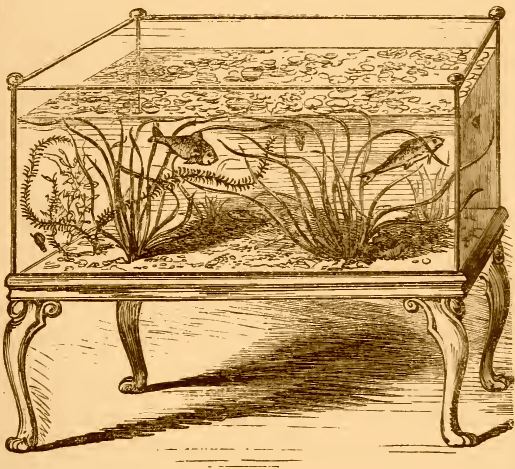
Successful care emphasizes adequate space, filtration and regular maintenance. Small bowls or tightly crowded tanks lead to poor water quality and stunted growth; goldfish prosper in roomy aquaria or outdoor ponds with good filtration and periodic water changes (aquarium care). They are omnivorous and accept a range of prepared and live foods, but overfeeding should be avoided. Owners should also be cautious about releasing captive goldfish into natural waterways: escaped or released individuals can establish feral populations and compete with native species, becoming ecological concerns in some regions.
Notable facts and distinctions
- Domestication transformed a wild carp-like fish into many distinct ornamental forms (domesticated fish).
- Goldfish taxonomy and wild relatives can be confusing; wild-type fish related to goldfish are often called Prussian carp or similar common names.
- Because of their long lifespan and social nature, goldfish are often recommended as long-term pets for those willing to provide appropriate space and care.
Questions and answers
Q: What are goldfish?
A: Goldfish are a species of domesticated fish that belong to the carp family.
Q: Where were goldfish domesticated?
A: Goldfish were domesticated in China during the Tang Dynasty.
Q: How big can goldfish get?
A: Goldfish can reach up to 59 cm in size and 3 kg in weight, but most goldfish grow to only half that size.
Q: How long can goldfish live?
A: Goldfish can live for up to 30 years in captivity, but most goldfish in aquariums will die earlier because the aquarium is too small.
Q: What kind of environment do goldfish need to live in?
A: Goldfish need a lot of space so they have room to swim and so the water does not get dirty too fast. They also live best in temperatures between 10 degrees Celsius and 30 degrees Celsius.
Q: Do goldfish have short memories?
A: No, scientists have proven that goldfish do not have short memories. They can be trained to perform tasks such as kicking a small ball under water or swimming through a maze.
Q: What are some common types of goldfish?
A: The most common kind of goldfish is golden-colored, but goldfish come in many different shapes and sizes. Many goldfish have fancy tails. Another common kind is called a black moor, which is black colored. Wild goldfish are called prussian carp and are silver-green in colour.
Related articles
Author
AlegsaOnline.com Goldfish (Carassius auratus): Biology, Varieties, and Care Leandro Alegsa
URL: https://en.alegsaonline.com/art/39532
Sources
- happy-goldfish.com : happy-goldfish.com/blog/goldfish-digestive-system/
- seaworld.org : seaworld.org
- mythbustersresults.com : Mythbuster Results: A goldfish’s memory lasts only three seconds
- abcnews.go.com : "Send Your Fish to School"