
Armagnac (brandy): History, production, varieties and uses
Armagnac is a fortified distilled spirit from southwestern France. This article explains its region, grapes, distillation, aging, styles, history and how it differs from other brandies.
Armagnac is a traditional French brandy produced exclusively in the Armagnac region of Gascony in southwestern France. It is defined by an appellation d'origine contrôlée (AOC) established in 1936 and by production methods that emphasize local grape varieties, continuous distillation in column stills, and extended maturation in oak. For general context about the spirit family see brandy and for the producing area consult resources on the Armagnac region, located between the Adour and the Garonne rivers.
Image gallery
6 Images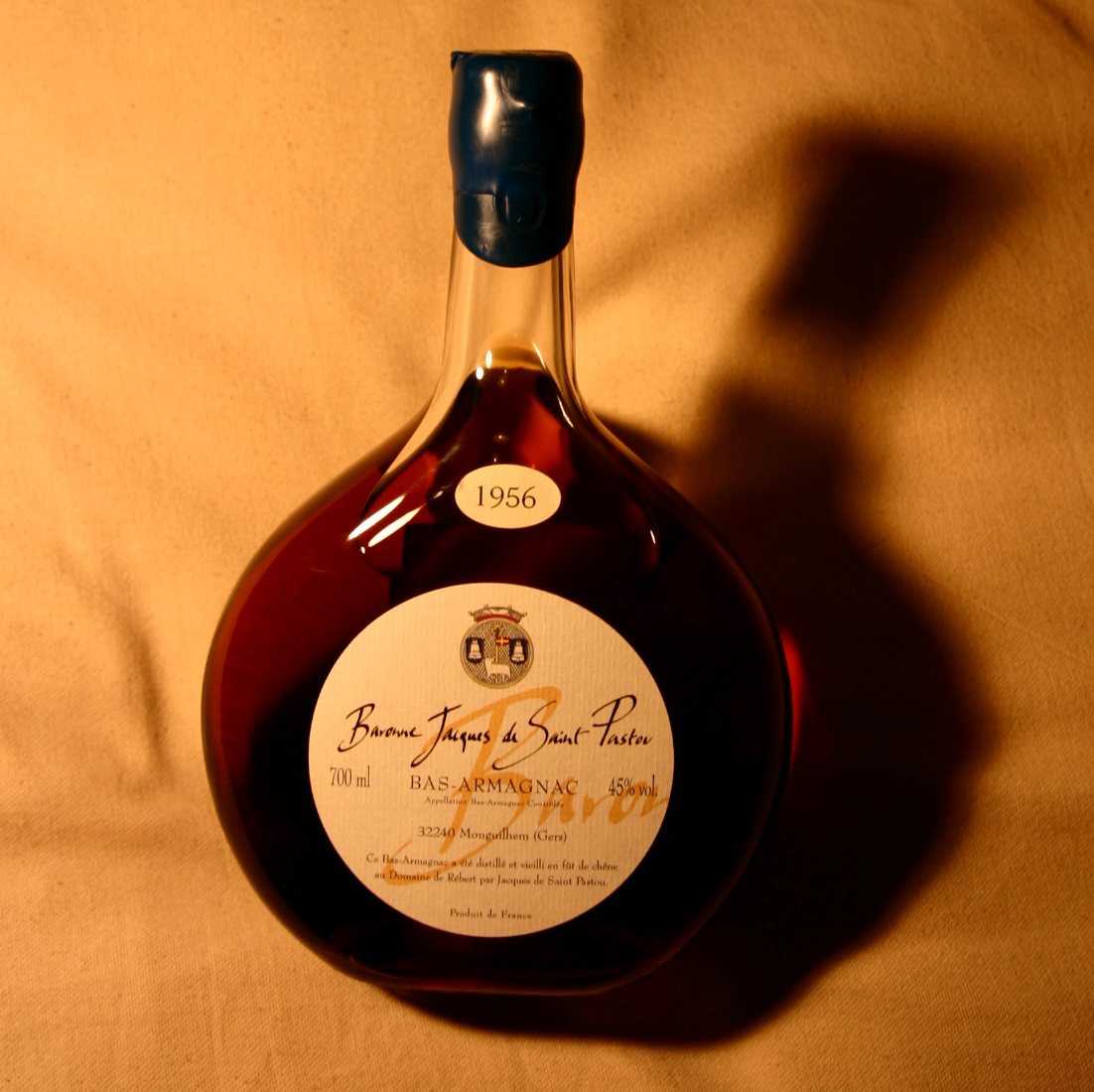



Production and defining characteristics
Armagnac is typically distilled once in a continuous column still designed for the region (often called an alembic or armagnacais still), producing a spirit that retains more congeners and flavor compounds than spirits distilled to a higher proof. After distillation, the eau-de-vie is aged in oak barrels which soften and add aromas of vanilla, spice and dried fruit. The local vineyard area includes many hectares of vines; common references to the grape sources can be found via grape variety and vineyard resources. Oak cooperage used in maturation is described in texts on oak and barrel techniques; aging containers and cooperage choices are central to the final character of Armagnac (barrel aging).
Grapes, subregions and typical styles
- Principal grapes: Ugni Blanc, Baco 22A, Folle Blanche and Colombard; each contributes acidity, aromatics or richness.
- Subregions: Bas-Armagnac (often considered the most refined), Ténarèze and Haut-Armagnac—each produces distinct styles tied to soil and climate.
- Styles and labels: commercial designations include VS, VSOP and XO in practical use, while many houses bottle vintage Armagnac (single-year distillates) and long-aged blends.
History and cultural role
Armagnac is among the oldest distilled brandies in France and has a deep regional heritage. Its production grew from medieval medicinal and household uses—earlier writers praised distilled spirits for therapeutical properties and local clergy and physicians often recorded their virtues. Distillation for flavor and preservation developed into an agricultural craft linked to rural farm wineries; the official AOC recognition in 1936 protected local practices and geographic identity.
Tasting, uses and notable distinctions
On the palate Armagnac tends to show dried fruit, toasted nuts, spice, leather and floral notes, with a mouthfeel shaped by both distillation and oak aging. It is drunk neat as a digestif, used in classic cocktail recipes or incorporated into culinary sauces and desserts. Notable distinctions compared with Cognac include the use of continuous column stills and a stronger emphasis on single-vintage bottlings and rustic, terroir-driven flavors. For technical background on distillation differences see distillation methods.
Further reading and interesting facts
Armagnac houses and cooperatives range from small family producers to larger bottlers; many publish tasting notes and aging guidelines for consumers. Traditionally it was also consumed for its reputed health effects; historical commentary on those claims can be found in older manuscripts and summaries, often cited under topics such as therapeutic uses. For additional regional, viticultural and regulatory details consult resources linked above and dedicated reviews of Bas-Armagnac, Ténarèze and Haut-Armagnac.
Related articles
Author
AlegsaOnline.com Armagnac (brandy): History, production, varieties and uses Leandro Alegsa
URL: https://en.alegsaonline.com/art/5659
Sources
- le-cognac.com : "Le Cognac - About Armagnac - The Best Cognacs On Earth - XO - VSOP - Extra"
- independent.co.uk : "France vaunts '40 virtues' of Armagnac"
- theage.com.au : "Armagnac attack"