
Azerbaijani food: ingredients, dishes, and culinary traditions
Comprehensive overview of Azerbaijani cuisine: its geography-driven ingredients, signature dishes (plov, kebab, dolma), beverages, regional varieties, and cultural role in festivals and hospitality.
Azerbaijani food reflects the crossroads of the Caucasus, Persian, Turkic and Russian influences while retaining a distinct identity shaped by local climate, agriculture and social customs. Meals in Azerbaijan are central to hospitality and celebration; recipes are passed down through families and are tied to seasonal cycles and important holidays. The country’s geographic variety—coastal Caspian plains, mountains and fertile lowlands—helps produce a wide palette of fresh herbs, fruit, vegetables and fish that define the cuisine’s flavors.
Fresh herbs and subtle, fragrant spices are hallmarks of Azerbaijani cooking. Parsley, coriander, dill, tarragon and mint are commonly added to salads, pilafs and stews, lending bright herbal notes. Saffron is prized for rice dishes and pilafs, and other seasonings such as sumac, black pepper and pomegranate molasses provide both acidity and aroma. Nuts and dried fruits—especially walnuts, apricots and raisins—are used in both savory and sweet preparations, reflecting Persian and Central Asian culinary legacies. From the Caspian Sea come sturgeon and other fish; black caviar remains one of the country’s best-known exports and a celebratory delicacy.
Many meals start with soups and appetizers. Azerbaijan has a broad soup tradition that ranges from light, yogurt-based broths to richer, meat-and-vegetable stews. Plov (pilaf) is the most emblematic main dish: rice often cooked with saffron and layered with meats, herbs or dried fruits. There are numerous local plov styles that vary by region and occasion. Grilled meats—kebabs and shashlik—are equally central: lamb, beef, chicken and fish are skewered and charred over open flame, frequently served with raw onion, flatbreads and tangy condiments like narsharab (a pomegranate reduction).
Other characteristic dishes include dolma (vegetable leaves or hollowed vegetables stuffed with spiced meat and rice), piti (a slow-cooked lamb and chickpea stew traditionally baked in individual clay pots), and lavangi-style preparations in which poultry or fish are stuffed with a walnut-and-onion filling. Pastries and sweets figure in ceremonial life: layered nut pastries, sugar-coated pastries, and small filled cookies appear at weddings and spring festivals. Tea culture is strong—black tea is the customary drink to accompany meals and visits—and sherbet, a sweet, fruit-flavored cold drink, remains a traditional refreshment.
Regional and seasonal variation is important. Coastal areas favor fish and lighter preparations, lowland regions grow abundant vegetables and melons, while mountainous areas emphasize cured meats, dairy and hearty stews. Saffron production in parts of the Absheron Peninsula and other microclimates gives certain dishes a unique aroma and color. Holidays such as Novruz, the spring celebration, showcase special foods and breads that symbolize renewal and hospitality.
Image gallery
10 Images
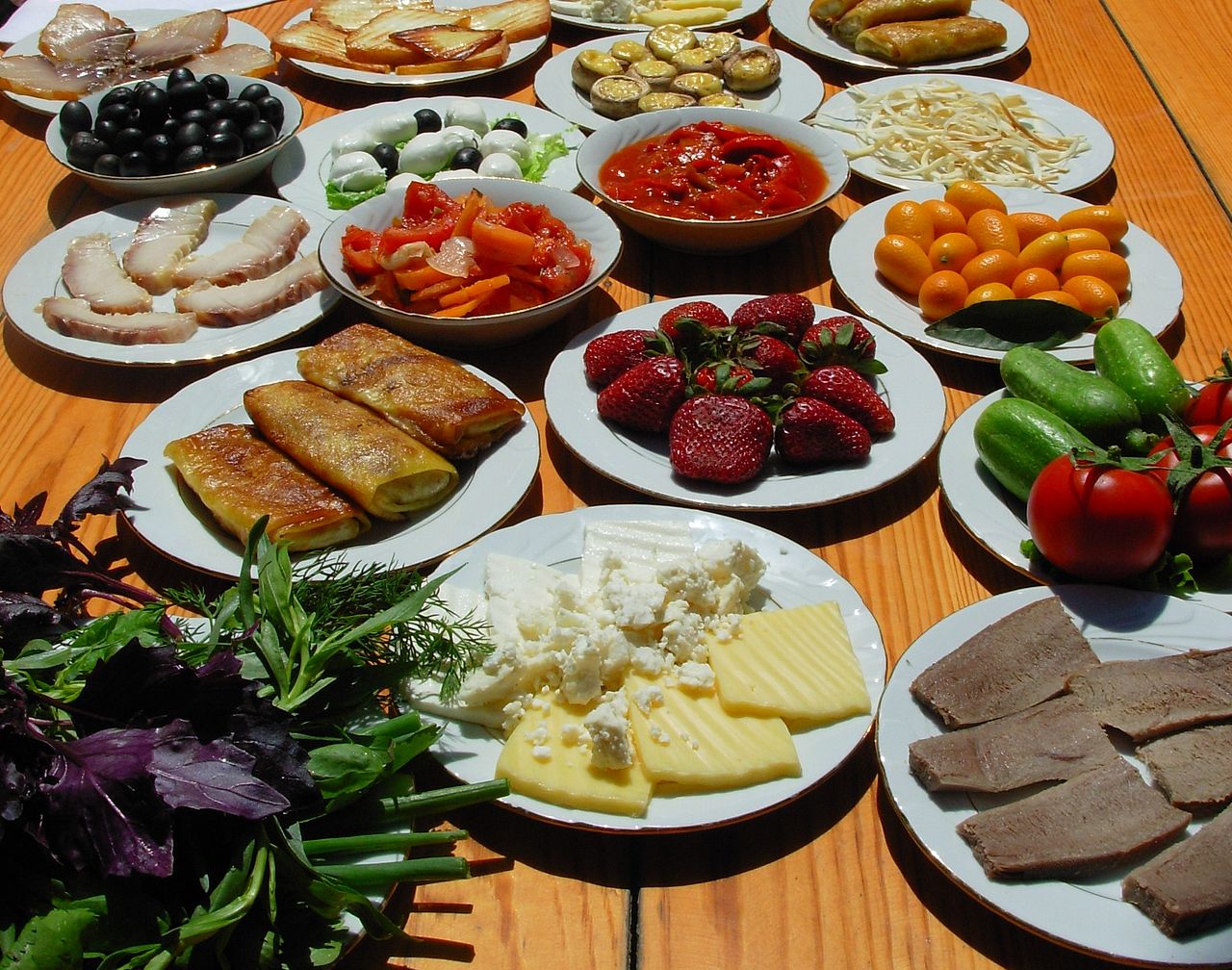


Key characteristics and common dishes
- Plov: Saffron-scented rice with a range of accompaniments; often the centerpiece of large gatherings.
- Kebab and shashlik: Marinated and grilled meats served with bread and raw vegetables.
- Dolma: Stuffed grape leaves or vegetables combining meat, rice and aromatic herbs.
- Piti: Clay-pot stew of lamb and chickpeas, slow-cooked for concentrated flavor.
- Seafood and caviar: Caspian fish species and sturgeon caviar are traditional and prized.
- Herbs and condiments: Fresh herbs, saffron, sumac and pomegranate molasses are widely used.
- Tea and sherbet: Black tea is the everyday national beverage; sherbets and sweet drinks accompany festivals.
Modern Azerbaijani cuisine continues to evolve: urban restaurants reinterpret traditional recipes, and culinary festivals promote regional specialties to visitors. At the same time home cooking preserves many time-honored techniques—slow simmering, careful layering of rice and precise use of herbs—that give Azerbaijani food its characteristic balance of freshness and warmth. Whether in a family kitchen or at a celebratory table, food in Azerbaijan remains a primary expression of hospitality and cultural identity.
Further reading and resources
- Resource 1
- Resource 2
- Resource 3
- Resource 4
- Resource 5
- Resource 6
- Resource 7
- Resource 8
- Resource 9
- Resource 10
- Resource 11
- Resource 12
- Resource 13
- Resource 14
- Resource 15
- Resource 16
- Resource 17
- Resource 18
- Resource 19
- Resource 20
- Resource 21
- Resource 22
- Resource 23
- Resource 24
- Resource 25
- Resource 26
- Resource 27
- Resource 28
- Resource 29
- Resource 30
- Resource 31
- Resource 32
- Resource 33
- Resource 34
- Resource 35
- Resource 36
- Resource 37
- Resource 38
- Resource 39
- Resource 40
- Resource 41
- Resource 42
- Resource 43
- Resource 44
- Resource 45
- Resource 46
- Resource 47
- Resource 48
- Resource 49
- Resource 50
- Resource 51
Questions and answers
Q: What is Azerbaijani food?
A: Azerbaijani food is the traditional cuisine of Azerbaijan, which has been influenced by different cultures over time but still remains distinct from other countries.
Q: How does the climate in Azerbaijan affect its cuisine?
A: The climate in Azerbaijan is very diverse, with nine out of eleven climate types found in the world. This contributes to the fertility of the soil and allows for a wide variety of vegetables to be used seasonally in dishes. It also helps create a rich culinary culture.
Q: What are some common herbs used in Azerbaijani cooking?
A: Common herbs used in Azerbaijani cooking include mint, coriander, dill, basil, parsley, tarragon, leek, chive, thyme, marjoram and green onion. Watercress is also popularly used.
Q: What type of fish can be found in the Caspian Sea?
A: Fish that can be found in the Caspian Sea include sturgeon, Caspian salmon, kutum sardines grey mullet and others. Caviar from this region is one of Azerbaijan's most famous delicacies.
Q: What are some main courses served in Azerbaijani cuisine?
A: Main courses served in Azerbaijani cuisine include over 30 kinds of soups as well as plov (a saffron-covered rice dish), kebabs and shashliks (grilled meats) and sturgeon shashlik (served with pomegranate sauce).
Q: What condiments are commonly used to flavour dishes?
A: Common condiments used to flavour dishes include salt and spices such as black pepper sumac and saffron - much of which comes from the Absheron Peninsula.
Q: What drinks are typically consumed after meals or on their own?
A: Black tea is usually drunk after meals or on its own while sherbet - a sweet cold drink made from fruit juice mixed or boiled with sugar - is another popular beverage often perfumed with rose water
Related articles
Author
AlegsaOnline.com Azerbaijani food: ingredients, dishes, and culinary traditions Leandro Alegsa
URL: https://en.alegsaonline.com/art/7932