
Jim Crow laws in the United States
State and local statutes, practices, and customs that enforced racial segregation and disenfranchisement of African Americans in the U.S. from the late 19th century until the mid-20th century.
Overview
The term "Jim Crow laws" refers to a set of state and local statutes, administrative rules, and widely tolerated social practices that enforced racial separation and unequal treatment of Black people in the United States. Emerging after the Civil War and the end of Reconstruction, these measures created a legal framework for segregation and second-class citizenship across many southern and border states. For contemporary and historical materials, see primary legal materials and reference collections at specialized archives (historical summaries).
Image gallery
10 Images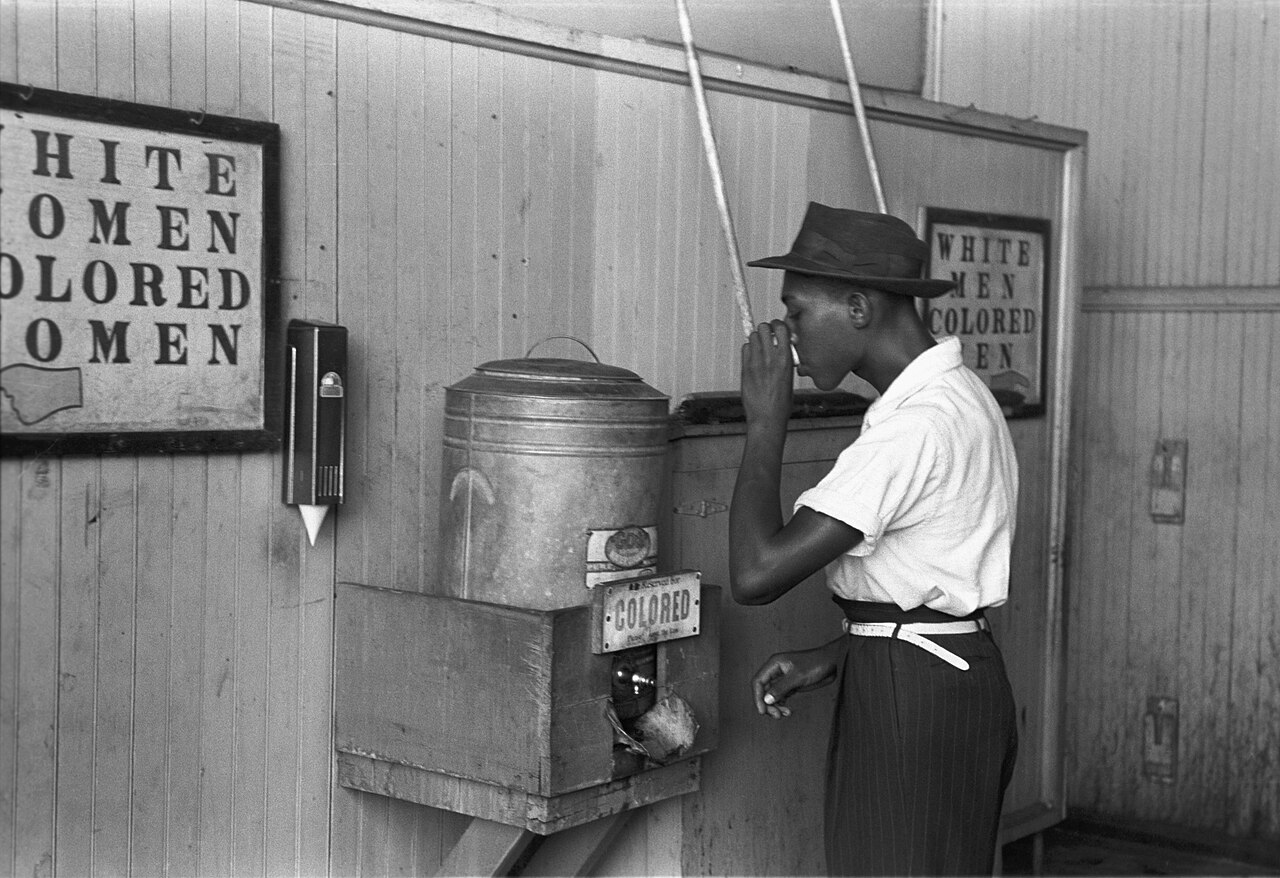


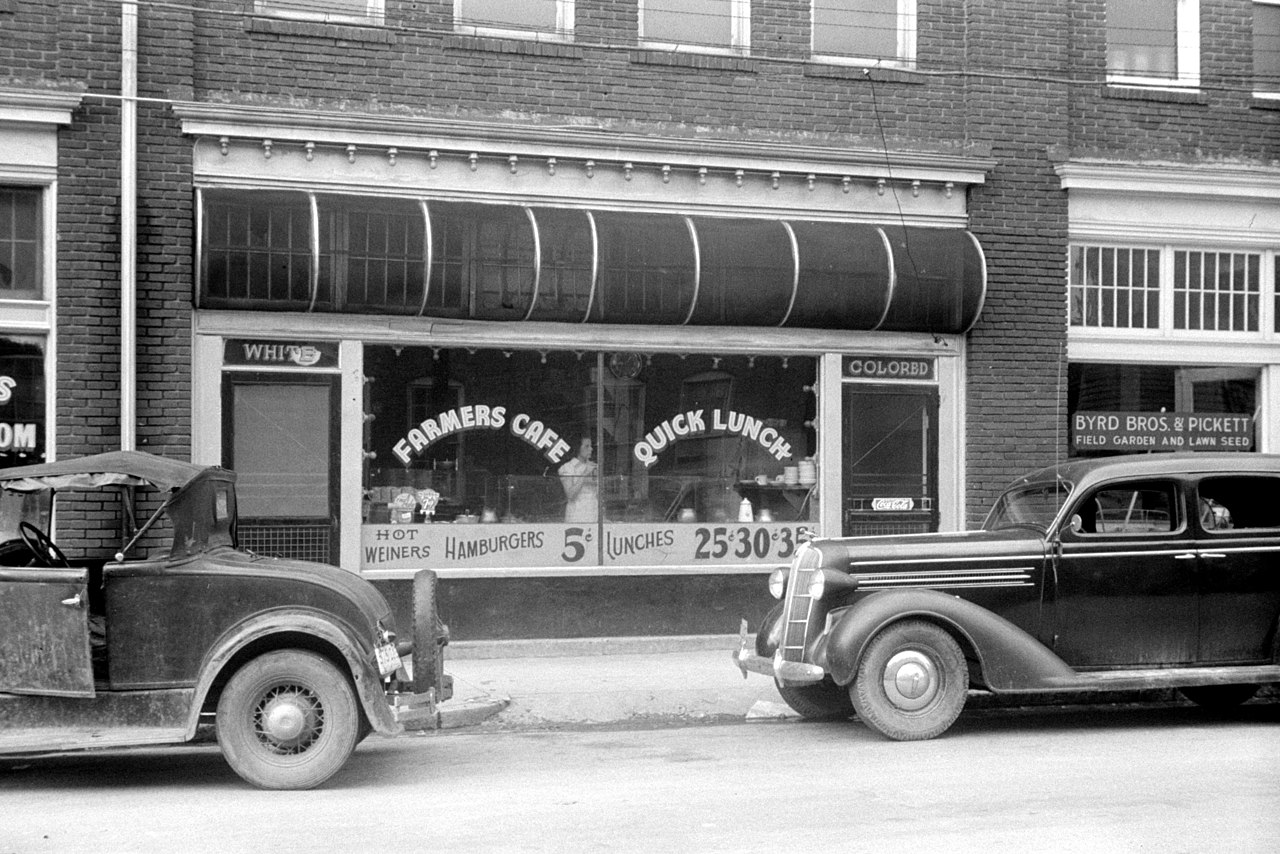


Characteristics and daily impact
Jim Crow systems regulated everyday life by law and custom. They prescribed separate facilities and services and restricted civil and political rights. Commonly segregated spaces included:
- Public schools and other educational institutions
- Public transportation such as buses and trains
- Public buildings, restrooms, drinking fountains and waiting rooms
- Restaurants, hotels, theaters, and recreational facilities
- Voting practices and procedures that limited political participation
These separations were enforced through legislation, administrative action, and unofficial but widely accepted intimidation. Military units, certain employment sectors, and professional opportunities were also affected. For contemporary accounts and analysis, historians and civil rights organizations provide contextual overviews (background essays, community histories).
Historical development
Following the Civil War and Reconstruction, several states passed laws that reversed many gains made by African Americans, instituting segregation as public policy. The label "Jim Crow" originally derived from a racist caricature and became shorthand for the broader system of racial hierarchy. Over decades these rules evolved, sometimes through explicit statutes and sometimes via local ordinances and court decisions. Researchers and document collections outline this evolution in greater detail (period studies).
Legal challenges, dismantling, and legislation
Throughout the twentieth century, civil rights organizations mounted legal and political challenges to segregation and disenfranchisement. Landmark litigation reached the U.S. Supreme Court, and key rulings began to dismantle aspects of state-imposed segregation. Notable legal milestones changed the constitutional landscape, and later federal laws addressed public accommodations and voting rights. For judicial history and legislative milestones, consult timelines and analyses (court case listings, legislative records).
Legacy, significance, and remembrance
The legacy of Jim Crow continues to shape discussions about racial inequality, education, criminal justice, housing, and political participation. Public memory and scholarship highlight both the harms inflicted and the long civil rights struggle that produced legal and social change. Many museums, research centers, and civic programs provide interpretation and educational materials (museum resources, educational guides).
Distinctions and notable facts
While Jim Crow is most closely associated with the Southern United States, patterns of segregation and discrimination appeared in varying forms elsewhere. The process of dismantling Jim Crow was gradual and uneven: judicial rulings, federal legislation, and sustained grassroots activism all played roles. For organizational histories and narratives of activism, see archives and organizational pages (civil rights organizations, legal defense records).
Related articles
Author
AlegsaOnline.com Jim Crow laws in the United States Leandro Alegsa
URL: https://en.alegsaonline.com/art/50203
Sources
- finduslaw.com : Civil Rights Act of 1964
- archives.gov : "Timeline of Events Leading to the Brown v. Board of Education Decision, 1954"
- doi.org : 10.1353/lac.2006.0042