
Judge: Role, responsibilities, history and courtroom practice
An overview of judges — officials who preside over courts, their duties, how they are appointed or elected, courtroom conduct, historical development, attire and the relationship with juries and appellate courts.
Overview
A judge is an official who presides over legal proceedings in a court and applies the law to decide disputes, determine guilt or innocence, and protect legal rights. Judges are expected to act with impartiality, to ensure that hearings follow procedure, and to explain their reasons when issuing rulings. Their authority derives from a nation’s legal system and can vary widely with the type of court and the jurisdiction.
Image gallery
8 Images



Pathways and qualifications
How someone becomes a judge depends on local rules. Common routes include long experience as a lawyer or legal practitioner — for example, solicitors, barristers or other advocates — followed by appointment or election. In many systems candidates must first practise law for a number of years before they can "sit" as a judge in a courthouse. Some jurisdictions use competitive exams, judicial commissions, or political appointment processes. Others allow voters to choose judges in public elections. Lawyers and advocates who aspire to the bench typically complete formal legal education and obtain professional accreditation such as being called to the bar or listed as an attorney; see the role of a lawyer for more context.
Functions and courtroom duties
In both civil and criminal cases, judges manage proceedings so that parties have a fair opportunity to present evidence and argument. Typical responsibilities include:
- Ruling on the admissibility of evidence and overseeing examination of witnesses.
- Interpreting statutes, regulations and precedent when legal disputes hinge on interpretation.
- In bench trials, evaluating facts and issuing verdicts or judgments; in jury trials, instructing the jury on the applicable law and ensuring a fair process.
- Sentencing in criminal matters, where applicable, and issuing remedies such as injunctions or damages in civil matters.
Across those duties a judge must preserve impartiality, manage courtroom decorum, and safeguard the rights of defendants, victims and litigants.
Juries, panels and higher courts
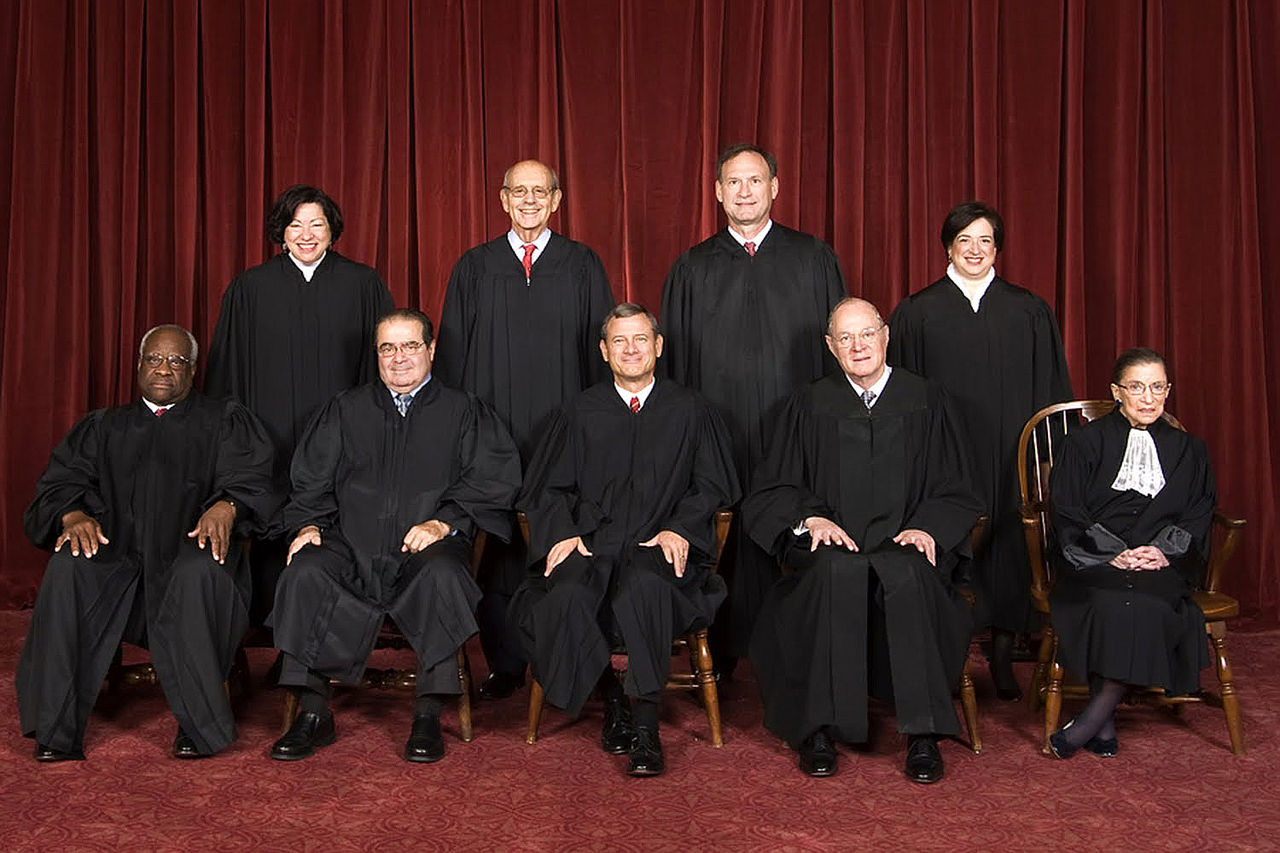
In some legal traditions judges decide facts alone; in others they share fact-finding with juries. The modern jury-based trial has roots in medieval England and developed significantly during the 12th century under rulers such as Henry II. Where juries are used, the judge’s role includes explaining legal standards and supervising procedure while the jury decides facts. For important or constitutional matters, courts often sit as multi-judge panels or in a final court of appeal. A nation’s highest tribunal — often called a supreme court or high court — resolves disputes about a country's laws and may issue precedents that bind lower courts. For example, in the United States the highest court’s members are called justices and are led by a Chief Justice.
Ceremony, attire and variation
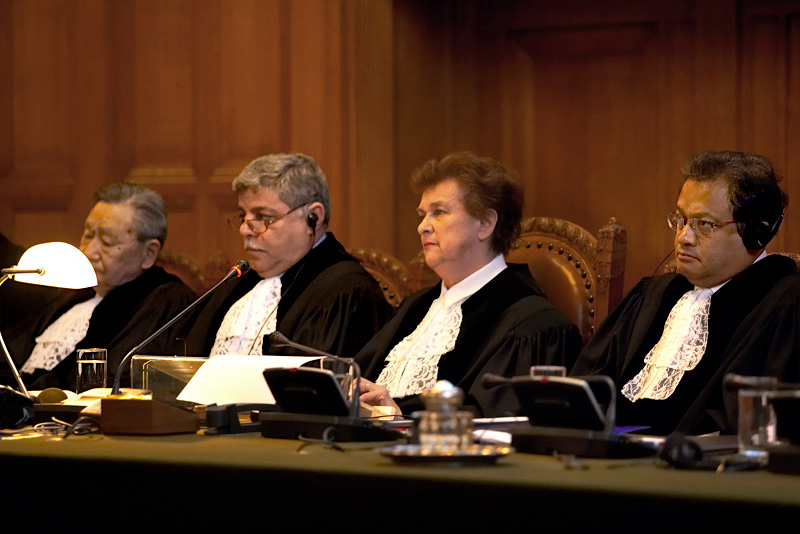
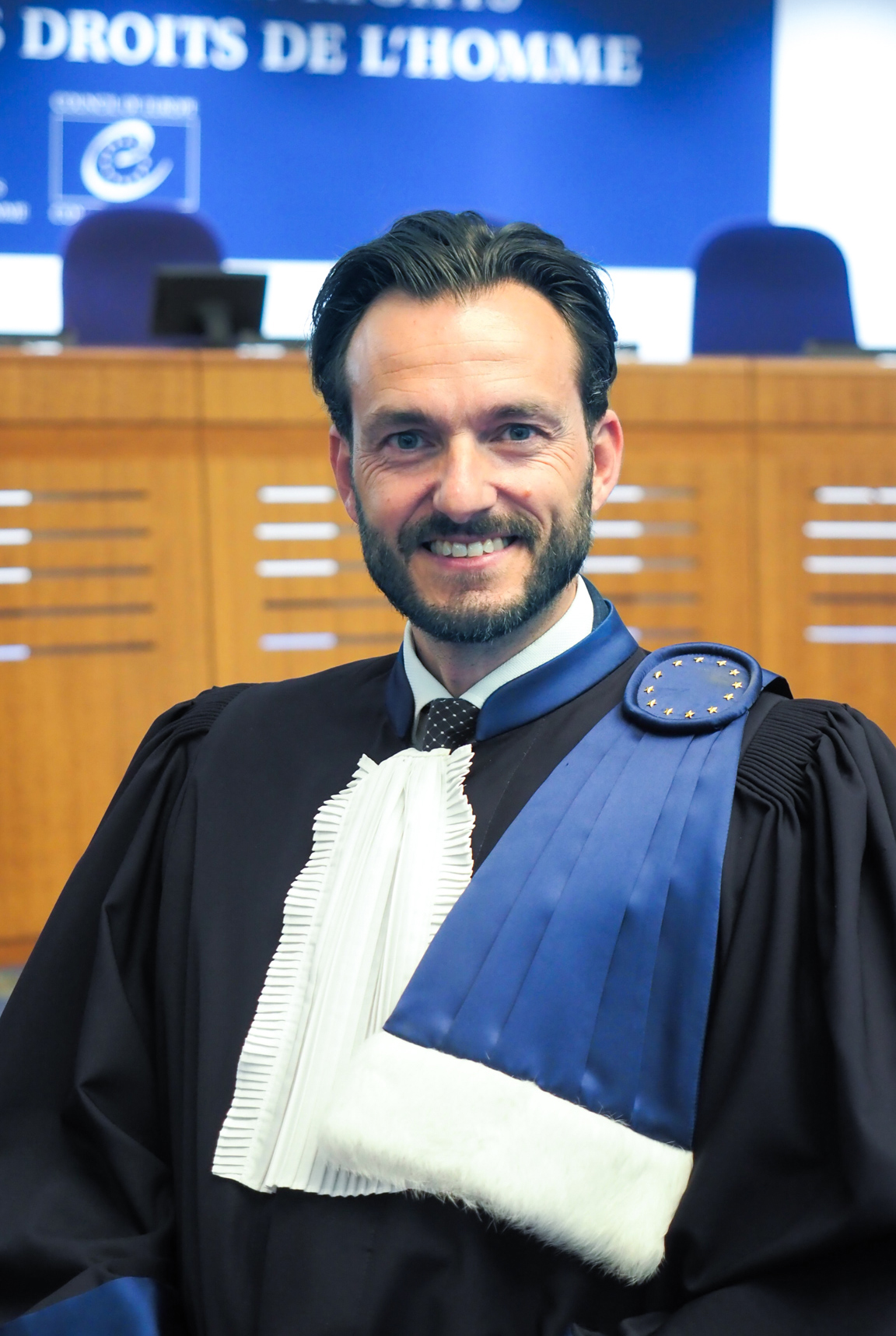
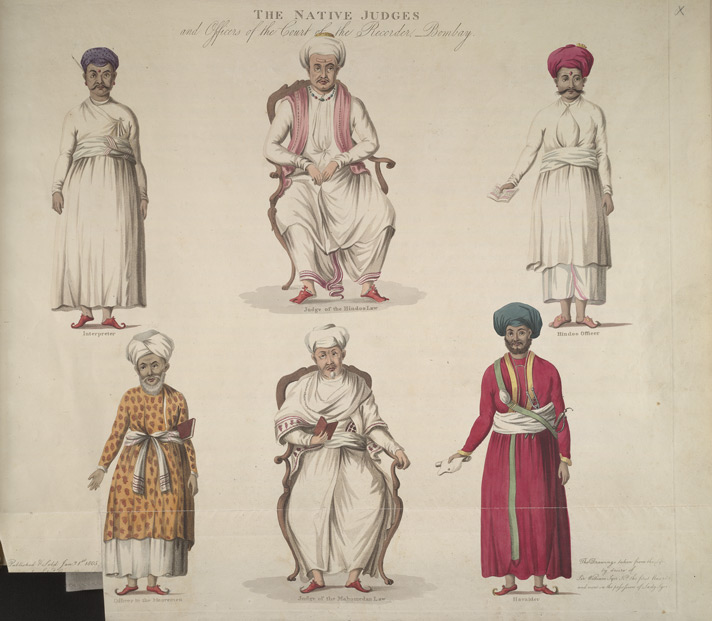
Courtroom dress and ceremony differ by jurisdiction and tradition. Many judges wear robes or gowns, often black, as a symbol of dignity and neutrality; in some higher courts robes may have distinctive colors. In a few legal systems judges historically wore wigs or other formal headgear; vestiges of these customs survive in ceremonial sittings. Older practices included symbolic items used at sentencing ceremonies, reflecting past ritual rather than modern procedure.
Types of judges and notable distinctions
Judges serve in different parts of the justice system: magistrates and trial judges handle initial hearings and trials; appellate judges review lower-court decisions; and specialised tribunals deal with administrative, family, commercial or military matters. Some courts sit as a single judge, others as a panel, and some decisions require unanimity while others need only a majority. Titles and styles vary — "judge," "justice," "magistrate" and "chief justice" are common terms that reflect rank, function or court level.
Importance and public role
Beyond resolving individual disputes, judges uphold the rule of law by interpreting legal texts, developing case law, and protecting constitutional rights. Their perceived fairness and independence are central to public confidence in the legal system. For further reading on related roles and institutions, see materials on juries, the office of a lawyer and the architecture of a courthouse or national high courts and judicial review of laws.
Because systems differ, anyone interested in serving as a judge or understanding specific procedures should consult local judicial offices or official guidance for jurisdiction-specific rules and processes.
Questions and answers
Q: What is a judge?
A: A judge is a person who is in control of a court of law.
Q: How do you become a judge?
A: The way to become a judge depends on each country. In some countries, judges must work with the law (often as a lawyer) for a number of years before they can "sit as a judge" in a courthouse.
Q: What is the role of a judge?
A: Judges are supposed to conduct the trial in an open courtroom and impartially. If there is a jury, the judge has the job of making sure the person taken to court is treated in a fair way.
Q: Do judges make all decisions on their own?
A: In many English speaking countries, judges cannot make some decisions on their own. In these countries, juries are used, but not for all cases.
Q: What is the history of jury trials?
A: The modern jury trial first developed in mid-12th century England during the reign of Henry II.
Q: Do all countries have supreme or high courts?
A: Not all countries have supreme or high courts, but it is common for countries to have a supreme court or high court with many (nine or more) judges in it for important decisions about the laws of a country.
Q: What is the attire for judges in court?
A: In many countries, judges wear special clothes while being in court. Often this is a black robe or cloak. Supreme or High Court judges often wear a red cloak. Judges in some countries also wear a special long wig. They also used to put a piece of black material on their head when they sentenced a person to die.
Related articles
Author
AlegsaOnline.com Judge: Role, responsibilities, history and courtroom practice Leandro Alegsa
URL: https://en.alegsaonline.com/art/51412