
African Americans: identity, history, distribution, and cultural contributions
Overview of African Americans: origins, demographic patterns in the United States, historical background, cultural impact, and the complexities of identity and ancestry.
Overview
African Americans are people in the United States who identify with ancestral origins in Africa. The term commonly includes descendants of enslaved Africans, as well as more recent immigrants from Africa and the Caribbean who have become U.S. citizens or residents. Identity may reflect mixed ancestry and varied cultural ties shaped over centuries.
Image gallery
10 Images






Characteristics and identity
Although often associated with the social category "black," African American identity is diverse. Physical traits such as skin tone, hair texture, and other features vary widely because many families have mixed heritage. Conversations about identity include descendants of the transatlantic slave trade, first-generation African immigrants, Afro-Caribbean and Afro-Latino people, and those who acknowledge multiple ancestral lines.
History and development
The history of African Americans in North America is rooted in the forced migration of millions of Africans during the transatlantic slave trade. Early recorded arrivals of people of African descent date to the 17th century; for example, people from regions that are now part of modern-day Angola were among those taken to early English colonies such as Jamestown. Over generations, the community experienced legal slavery, emancipation, segregation, mass migrations, and major social movements that reshaped American society.
Demographics and geographic distribution
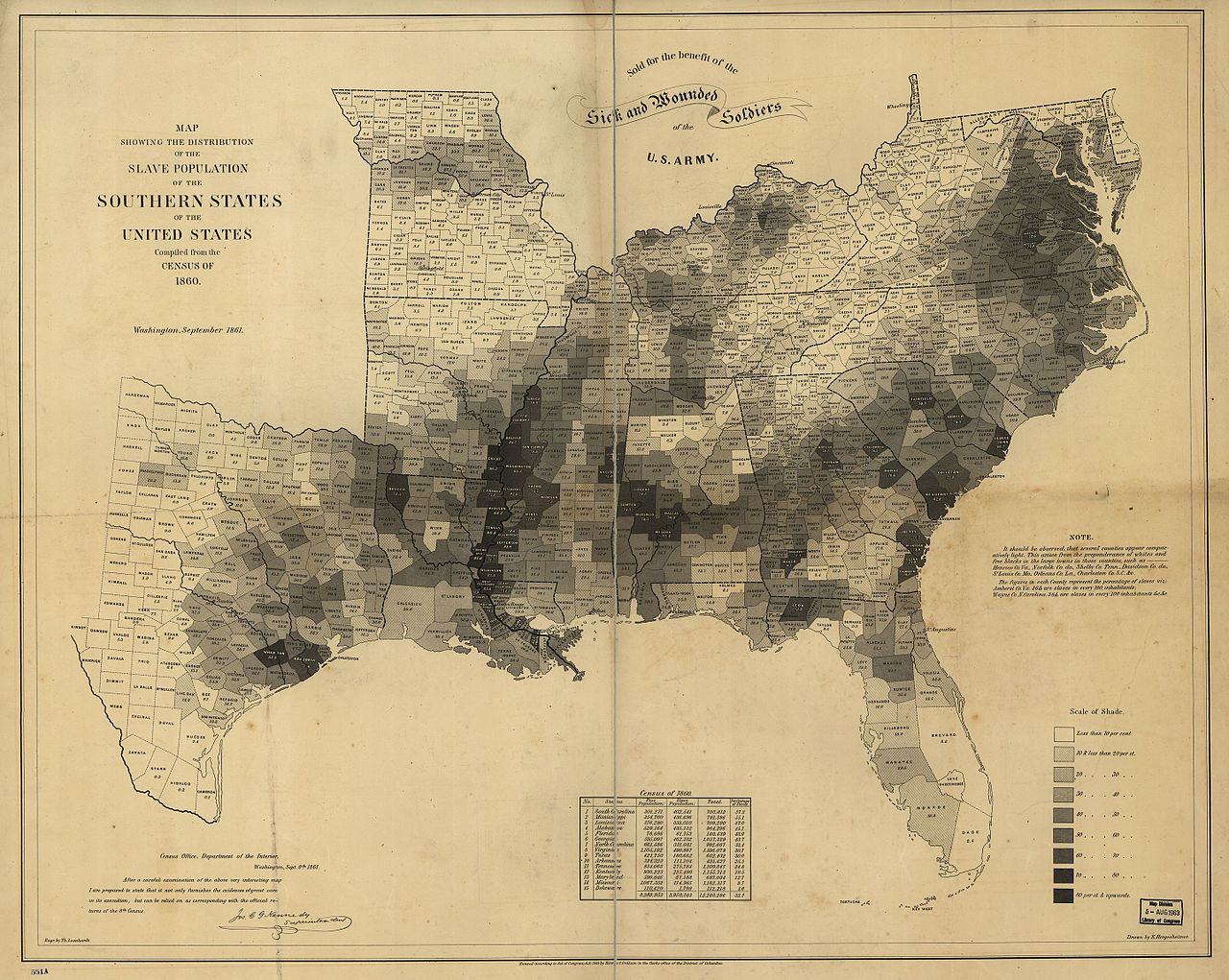
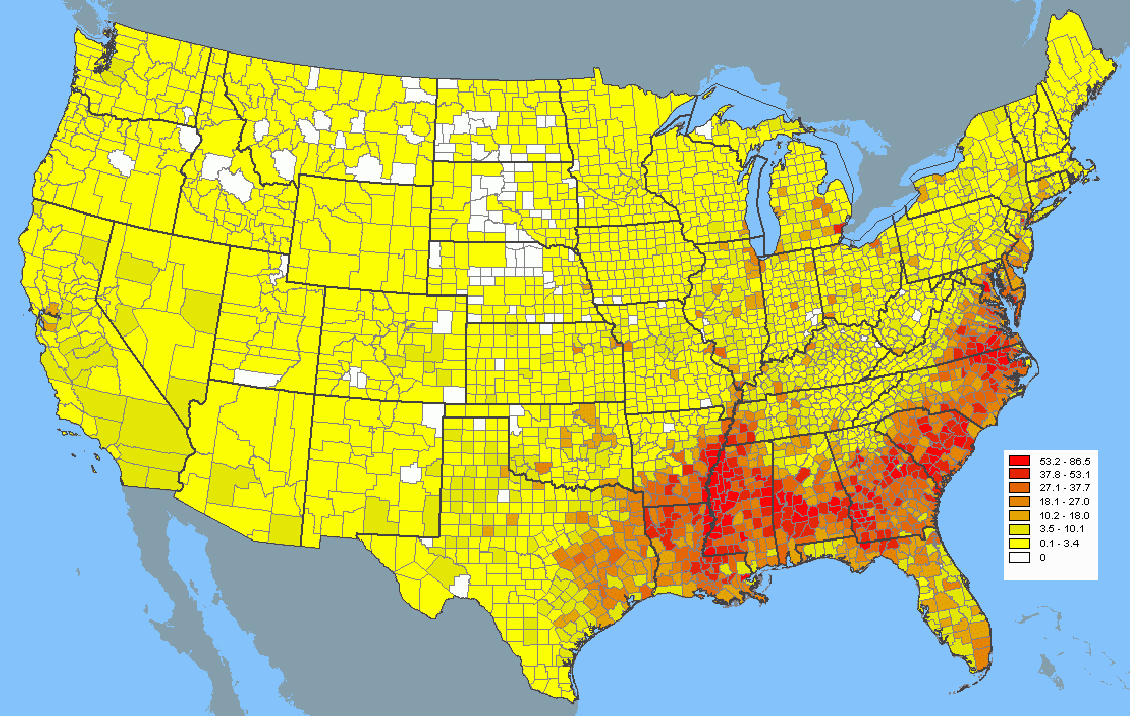
African Americans form a significant portion of the national population and are concentrated in both large metropolitan areas and many parts of the American South. Major cities with substantial African American populations include New York City and Chicago, and other urban centers such as Detroit, Baltimore, Houston, Atlanta, and Washington, D.C.. States with relatively high percentages of African Americans tend to be in the Southeast, where long-standing communities remain active in civic and cultural life.
Culture, contributions, and social importance
African Americans have had a profound influence on U.S. culture, contributing major innovations in music, literature, visual arts, cuisine, religious life, language, and politics. Movements for civil rights and social justice, led and shaped by African Americans, have been central to national debates about equality, citizenship, and civil liberties. The community’s cultural expressions have often been adopted and adapted across wider American society.
Complexities and notable distinctions
Definitions of who is an African American vary by personal identification, legal status, family history, and community recognition. Many African Americans also stand in relation to other demographic groups: for example, they coexist within a multicultural nation alongside White, Latino, Indigenous, and immigrant populations and may share European or Native American ancestry. Public discussions of race, ethnicity, and ancestry are ongoing and reflect the evolving nature of identity.
Related links
- United States
- ancestors
- Africa
- first generation
- immigrant
- citizenship in the United States
- Caribbean
- black people
- dark skin
- Sub-Saharan African
- slave trade
- U.S. population
- urban or city
- Southern United States
- Detroit
- Jackson, Mississippi
- New Orleans
- Miami Gardens
- Savannah, Georgia
- New York City
- Chicago
- Baltimore
- Houston
- Atlanta
- Philadelphia
- Baton Rouge
- Washington, D.C.
- Dallas
- Mississippi
- Louisiana
- Georgia
- Maryland
- South Carolina
- Alabama
- Delaware
- North Carolina
- Virginia
- Tennessee
- White Americans
- Germans
- European
- Native American
- Angola
- Jamestown
Questions and answers
Q: What is an African American?
A: An African American is a person who lives in the United States whose ancestors were from Africa. It could also mean a first generation African immigrant who has citizenship in the United States. Some African Americans are also of Caribbean or Afro-Latino ancestry and the term is usually associated with black people due to many African Americans' dark skin due to having Sub-Saharan African ancestors.
Q: How did many Africans come to the United States?
A: Many Africans were brought to the United States in the slave trade.
Q: Where do many African Americans live?
A: Many of the U.S. population (especially in many urban or city areas) are African American, while others live in rural areas in the Southern United States. Detroit has the highest percent of blacks in the nation, and other cities with high populations include Jackson, Mississippi; New Orleans; Memphis; Miami Gardens; and Savannah, Georgia. New York City and Chicago have the largest population of African Americans, while other cities with a high percentage include Baltimore, Houston, Atlanta, Philadelphia, Baton Rouge, Washington D.C., and Dallas. The states with highest percentages are Mississippi, Louisiana, Georgia Maryland South Carolina Alabama Delaware North Carolina Virginia and Tennessee.
Q: What is the third largest ethnic group in America?
A: The third largest ethnic group in America is African Americans after White Americans and Hispanic/Latino Americans.
Q: What is second largest ancestral group?
A: The second largest ancestral group is African Americans after Germans.
Q: When were slaves first brought to America?
A: The first slaves were brought on a Dutch boat from Angola to Jamestown Virginia colony by British settlers in 1619
Tags
Related articles
Author
AlegsaOnline.com African Americans: identity, history, distribution, and cultural contributions Leandro Alegsa
URL: https://en.alegsaonline.com/art/1254
Sources
- commons.wikimedia.org : African Americans
- infoplease.com : infoplease.com/us/race-population/ten-cities-100000-or-more-highest-percentage-blacks-or-…
- fairobserver.com : fairobserver.com/region/north_america/racism-america-black-african-american-culture-news-…
- history.com : history.com/topics/black-history/slavery
- history.com : history.com/this-day-in-history/first-african-slave-ship-arrives-jamestown-colony
- theguardian.com : theguardian.com/commentisfree/2018/feb/20/roma-african-americans-common-struggle
- aaregistry.org : aaregistry.org/story/soul-food-a-brief-history/